
Complete Guide to Himachal Devi Darshan
Your ultimate spiritual journey through the sacred Shakti Peethas of Dev Bhoomi. Find circuits, temple timings, and travel routes.
Table of Contents
What Is Himachal Devi Darshan?
Himachal Pradesh holds more than 2,000 temples across its hills and valleys. Among all Indian states, it carries one of the highest concentrations of Shakti shrines per square kilometer. This is why people have called it Dev Bhoomi, meaning “Land of the Gods,” for centuries.
Devi Darshan is the practice of visiting multiple goddess temples in a single pilgrimage journey. Devotees travel from one shrine to the next, seeking blessings from different forms of Goddess Durga. It is not a casual sightseeing trip. Each stop is a specific act of faith, tied to ancient scripture and local legend. If you are looking to book a devi darshan in himachal package, understanding these sacred routes is the perfect first step.
To understand why these temples exist where they do, you need to know one story.
The Origin: Sati, Shiva, and the 51 Sacred Sites
Sati was the daughter of King Daksha and the devoted wife of Lord Shiva. When her father insulted Shiva and excluded him from a sacred yagna, Sati could not bear the humiliation. She stepped into the sacrificial fire and gave up her life.
Lord Shiva, consumed by grief, lifted her body and began his Tandav, the cosmic dance of destruction. The universe trembled. To stop the destruction and restore balance, Lord Vishnu used his Sudarshan Chakra to cut Sati’s body into 51 parts. Wherever a body part fell on earth, that spot became a sacred site. These sites are called Shakti Peethas, meaning “seats of the goddess.”
Himachal Pradesh holds four of the original 51 Shakti Peethas: Bajreshwari Devi in Kangra, Jwala Ji in Jwalamukhi, Chintpurni in Una, and Naina Devi in Bilaspur. These four form the core of every Devi Darshan circuit in the state. Other temples such as Chamunda Devi and Baglamukhi are revered Shakti shrines added to the wider circuits.
Choose Your Devi Darshan Circuit
Select the pilgrimage route based on available days, temple coverage, and preferred travel pace.
2 Days
4 Devi Darshan
Covers Chintpurni, Jwala Ji, Naina Devi, and Bajreshwari Devi.
- Most popular route
- Perfect weekend yatra
- Balanced travel pace
3 Days
5 Devi Darshan
Includes Chamunda Devi with the main Himachal Shakti temples.
- Extended Kangra route
- Comfortable itinerary
- Ideal for families
4–5 Days
7 Devi Darshan
Includes Baglamukhi and broader Kangra valley temple coverage.
- Deeper spiritual route
- More temple coverage
- Popular road circuit
Most Popular
5–9 Days
9 Devi Yatra
Complete multi-state Shakti circuit including Vaishno Devi in Jammu.
- Full pilgrimage route
- Includes Vaishno Devi
- Most complete darshan
Why Palampur Is the Ideal Starting Point
Palampur sits in the heart of the Kangra Valley. Chamunda Devi is ~19 km away. Brajeshwari Devi in Kangra town is ~35 km from Palampur. Baglamukhi temple at Bankhandi is ~60 km out. Three temples are reachable within a single morning drive.
For Jwala Ji, Chintpurni, and Naina Devi, Palampur acts as a natural launching pad. The road network through the Kangra Valley connects all key destinations without backtracking. Pilgrims starting from Palampur cover the circuit in a logical, fuel-efficient loop.
The Nine Temples
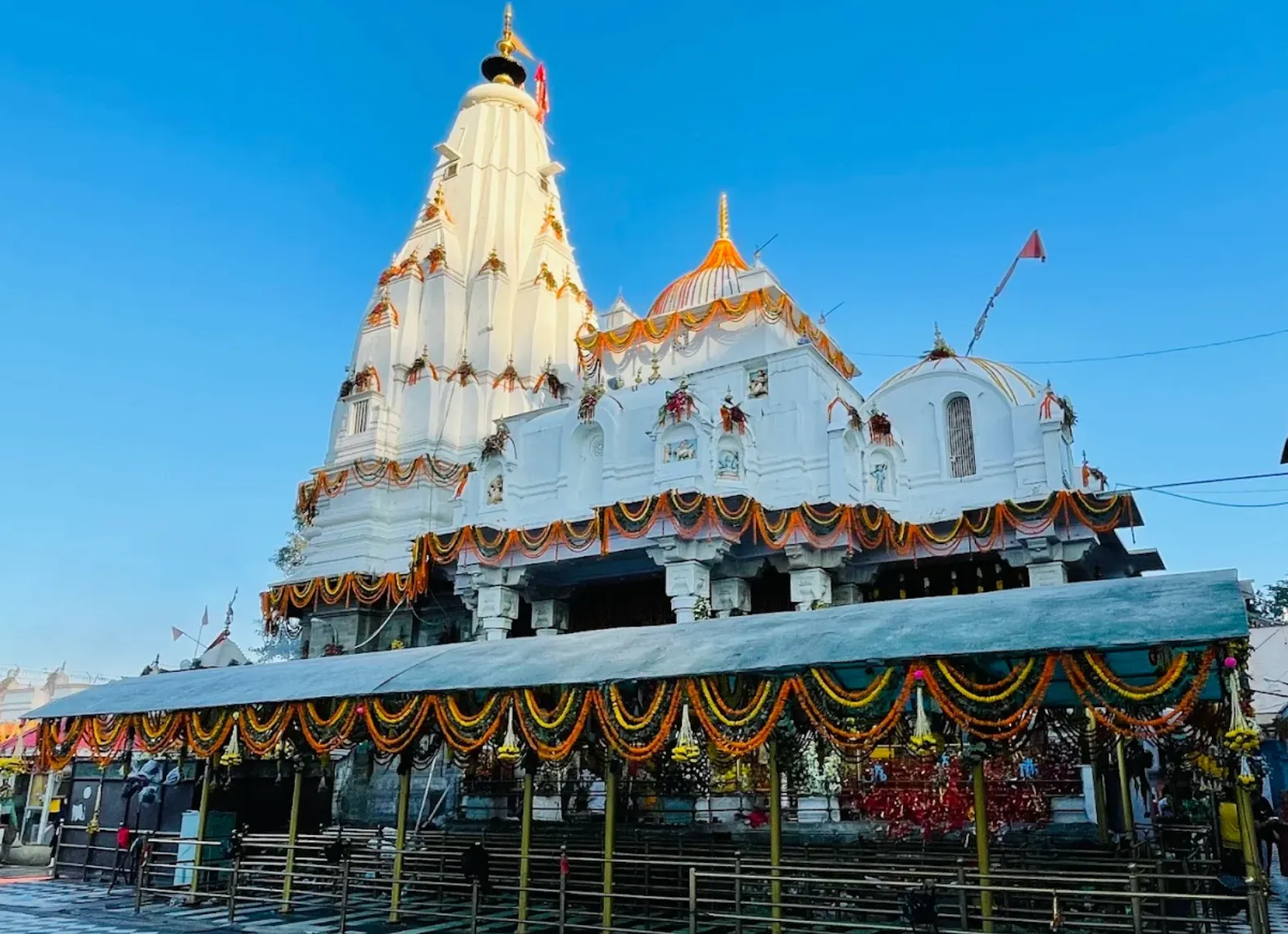
1. Brajeshwari Devi Temple, Kangra Town
Goddess: Brajeshwari, meaning “Lady of the Thunderbolt.” She is a fierce form of Durga, worshipped as a Pindi (sacred natural stone) in the inner sanctum. This temple is one of the 51 Shakti Peethas.
Body Part: Sati’s left breast is believed to have fallen at this spot. This makes Brajeshwari Devi a primary Shaktipeeth in Himachal Pradesh.
Unique Fact: This temple has been destroyed and rebuilt more times than any other shrine in the Kangra circuit. Mahmud of Ghazni plundered it in 1009 AD. Firoz Shah Tughlaq attacked it in 1360 AD. The 1905 Kangra earthquake levelled the entire structure. During Makar Sankranti, the Pindi of the goddess is covered with butter to commemorate Goddess Durga healing her wounds after slaying the demon Mahishasura.
Location: Kangra town, Kangra district. Behind Kangra Bazaar on Mandir Road, ~35 km from Palampur.
Timings: Summer: 5:00 AM to 9:00 PM. Bhog Aarti from 12:00 PM to 12:30 PM. Winter: 6:00 AM to 9:00 PM.
Entry Rules: Standard dress code applies. Shoes must be removed at the temple gate before entering the market lane.
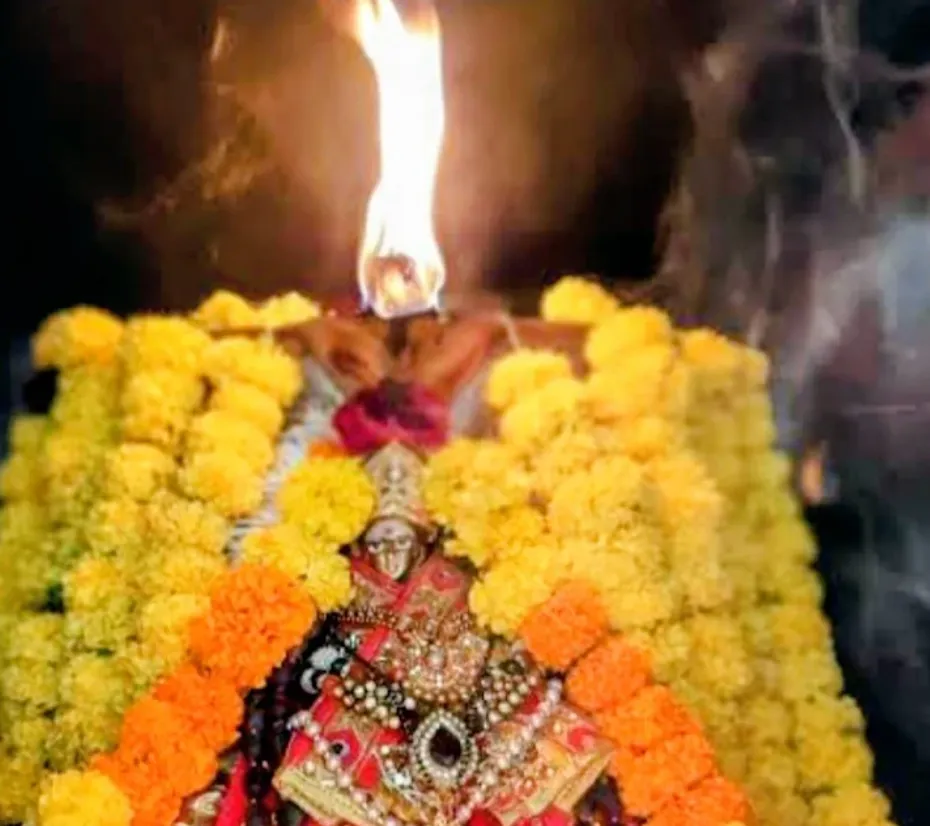
2. Jwala Ji Temple, Jwalamukhi
Goddess: Jwalamukhi, the goddess of the eternal flame. Worshipped not as an idol but as nine natural flames rising from cracks in the rock floor. This temple is one of the 51 Shakti Peethas.
Body Part: Sati’s tongue is believed to have fallen at this spot.
Unique Fact: There is no idol, image, or sculpture. The flames have been burning without any external fuel source for centuries. Emperor Akbar visited the shrine, attempted to extinguish the flames, and after failing, offered a gold chhatra (canopy) that reportedly changed into an unknown metal.
Location: Jwalamukhi town, Kangra district. Approximately ~70 km from Palampur.
Timings: Summer: 5:00 AM to 10:00 PM. Winter: 6:00 AM to 9:00 PM. Mangala Aarti at dawn (5:00 AM).
Entry Rules: Complete silence near the flame pit. Photography is strictly prohibited inside.
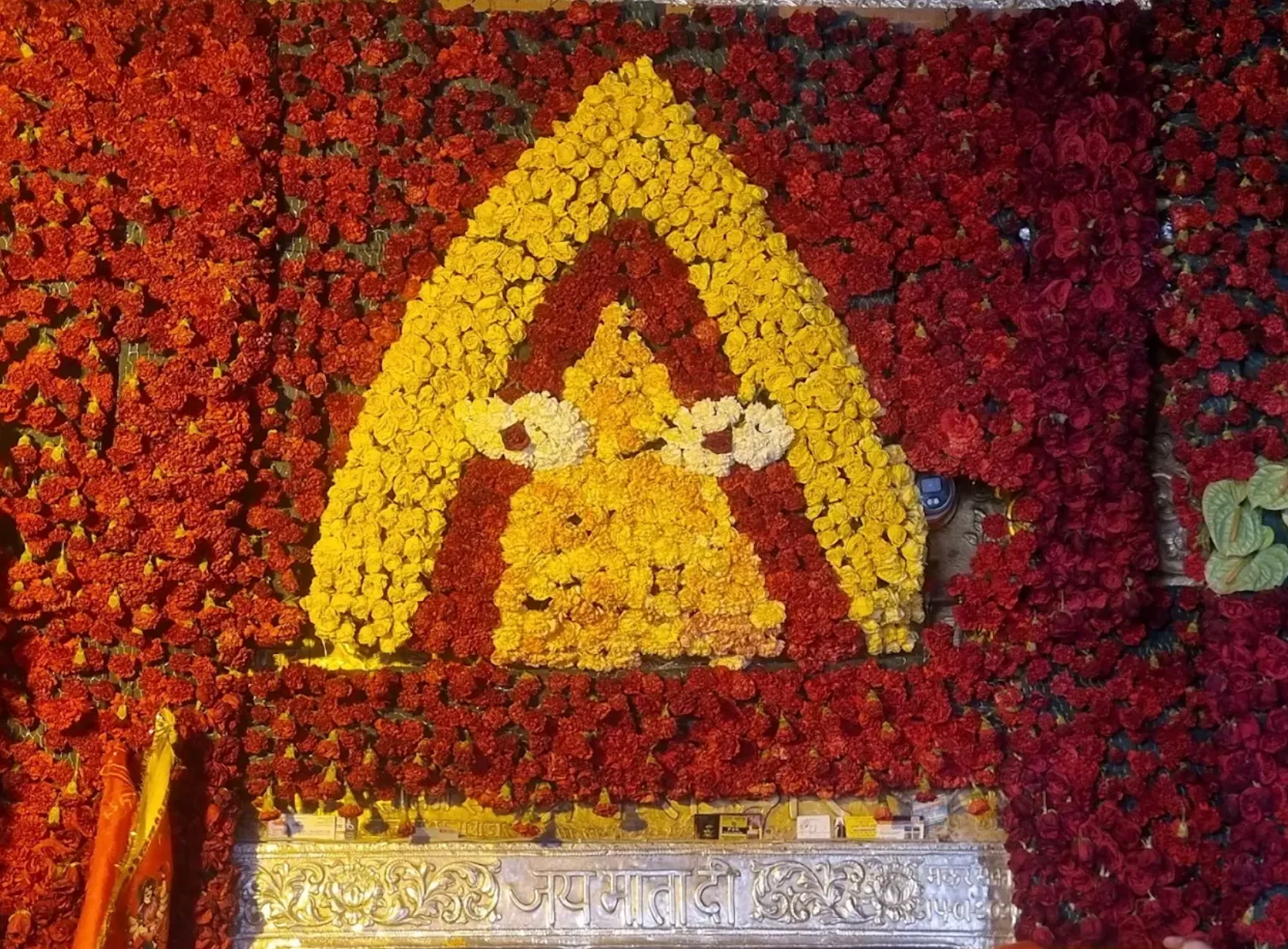
3. Chintpurni Devi Temple, Una
Goddess: Chinnamastika, a form of Goddess Durga depicted without a head. The name Chintpurni means “one who removes all worries.” One of the 51 Shakti Peethas.
Body Part: Sati’s feet (charan) are believed to have fallen at Chintpurni.
Unique Fact: The goddess is worshipped as a Pindi, a natural sacred rock formation. Established by Pandit Mai Das, his direct descendants continue to serve as head priests running across at least 12 generations. Chintpurni receives the highest annual devotee count in Himachal Pradesh.
Location: Chintpurni village, Amb Tehsil, Una district. ~95 km from Palampur.
Timings: Summer: 4:00 AM to 10:00 PM. Winter: 5:00 AM to 9:30 PM. Morning Aarti at 5:30 AM.
Entry Rules: Climb of steps lined with prasad shops. Shoe removal required at the bottom of the steps.
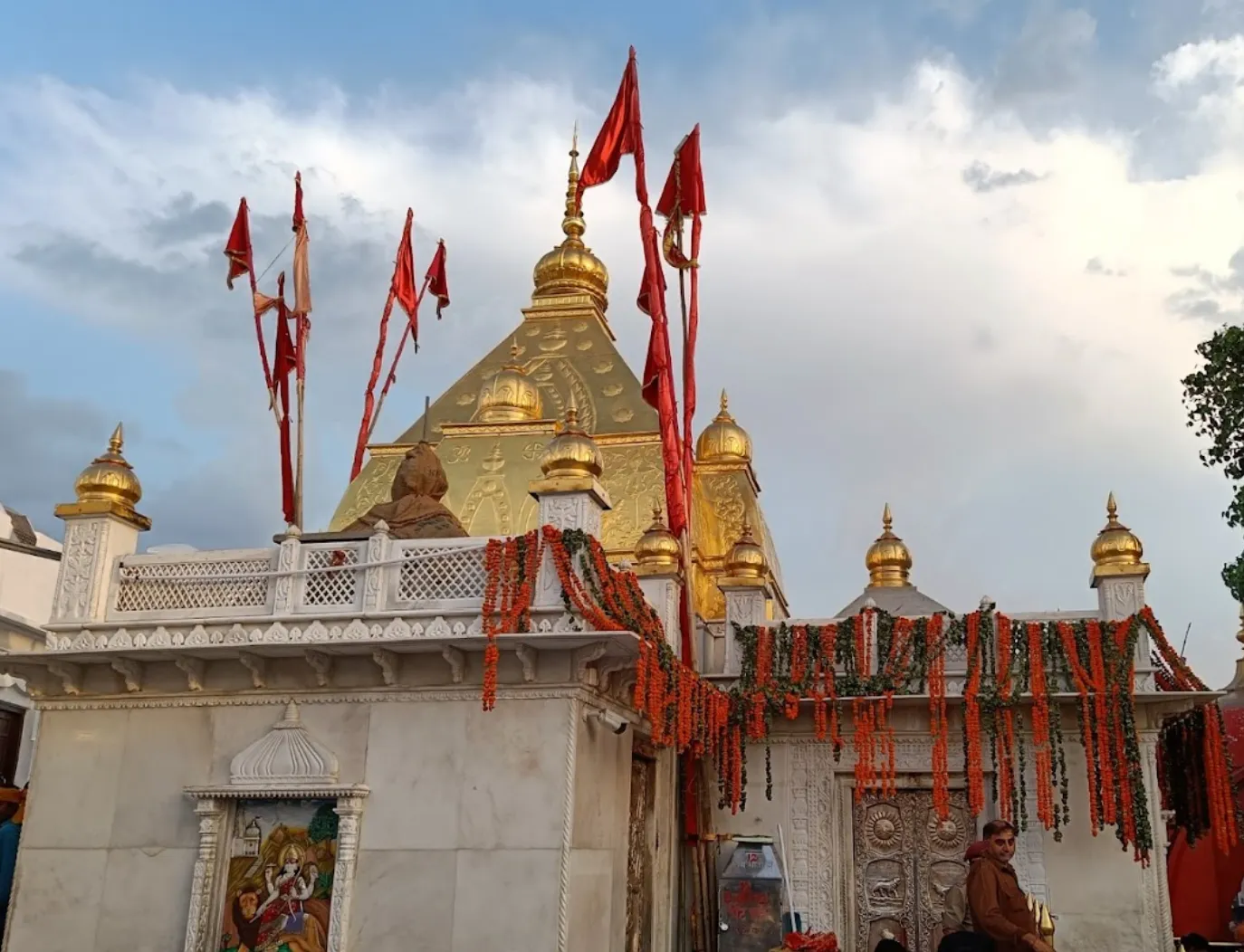
4. Naina Devi Temple, Bilaspur
Goddess: Naina Devi, meaning “goddess of the eyes.” Manifestation of Goddess Parvati. One of the 51 Shakti Peethas.
Body Part: Sati’s eyes (nayan). Also called Mahishapeeth, where the goddess slew the demon Mahishasura.
Unique Fact: The only temple in the Devi Darshan circuit that overlooks a major reservoir (Gobind Sagar Lake / Bhakra Dam). The temple offers a cable car service making it accessible for senior devotees in just 7 minutes.
Location: Anandpur Sahib road, Bilaspur district. ~170 km from Palampur.
Timings: Summer: 4:00 AM to 10:00 PM. Winter: 6:00 AM to 9:00 PM.
Entry Rules: Separate queues exist for cable car and foot trail visitors. Shoe deposit counters at both access points.
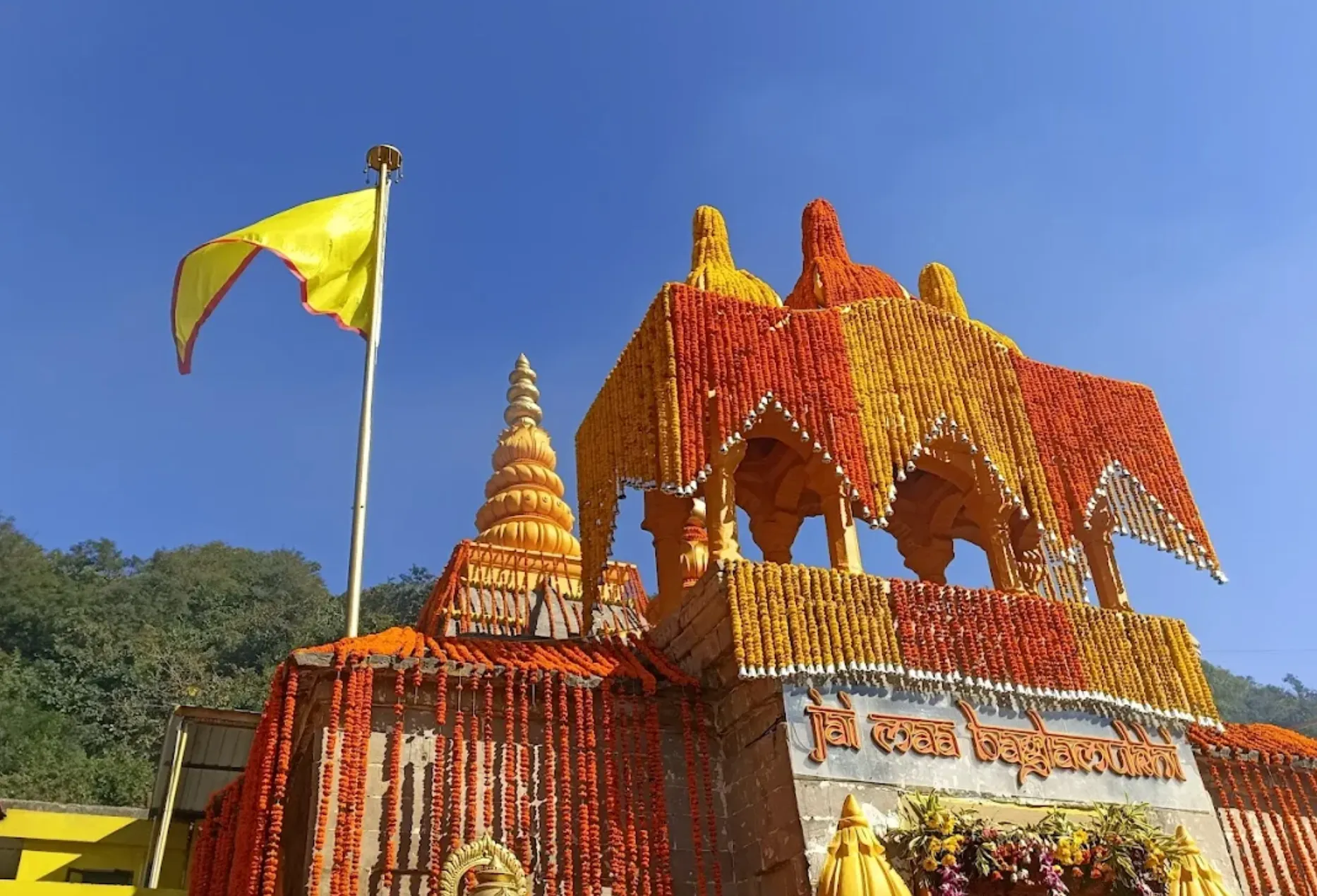
5. Baglamukhi Devi Temple, Bankhandi
Goddess: Baglamukhi, one of the 10 Mahavidyas in the Shakti tradition. She is a revered Mahavidya shrine, not one of the 51 Shaktipeethas.
Unique Fact: Yellow is a strict religious requirement. Devotees wear yellow clothing before entering. Offerings include yellow flowers, yellow sweets, and yellow cloth. Believed to paralyse the tongue of enemies and resolve legal disputes.
Location: Bankhandi village, Kangra district. ~60 km from Palampur on the Mandi road.
Timings: 5:00 AM to 12:00 AM (midnight). Bhog Aarti at 11:00 AM to 11:30 AM (sanctum closes).
Entry Rules: Yellow clothing strongly recommended. Shoes must be removed at the entrance. No photography inside.
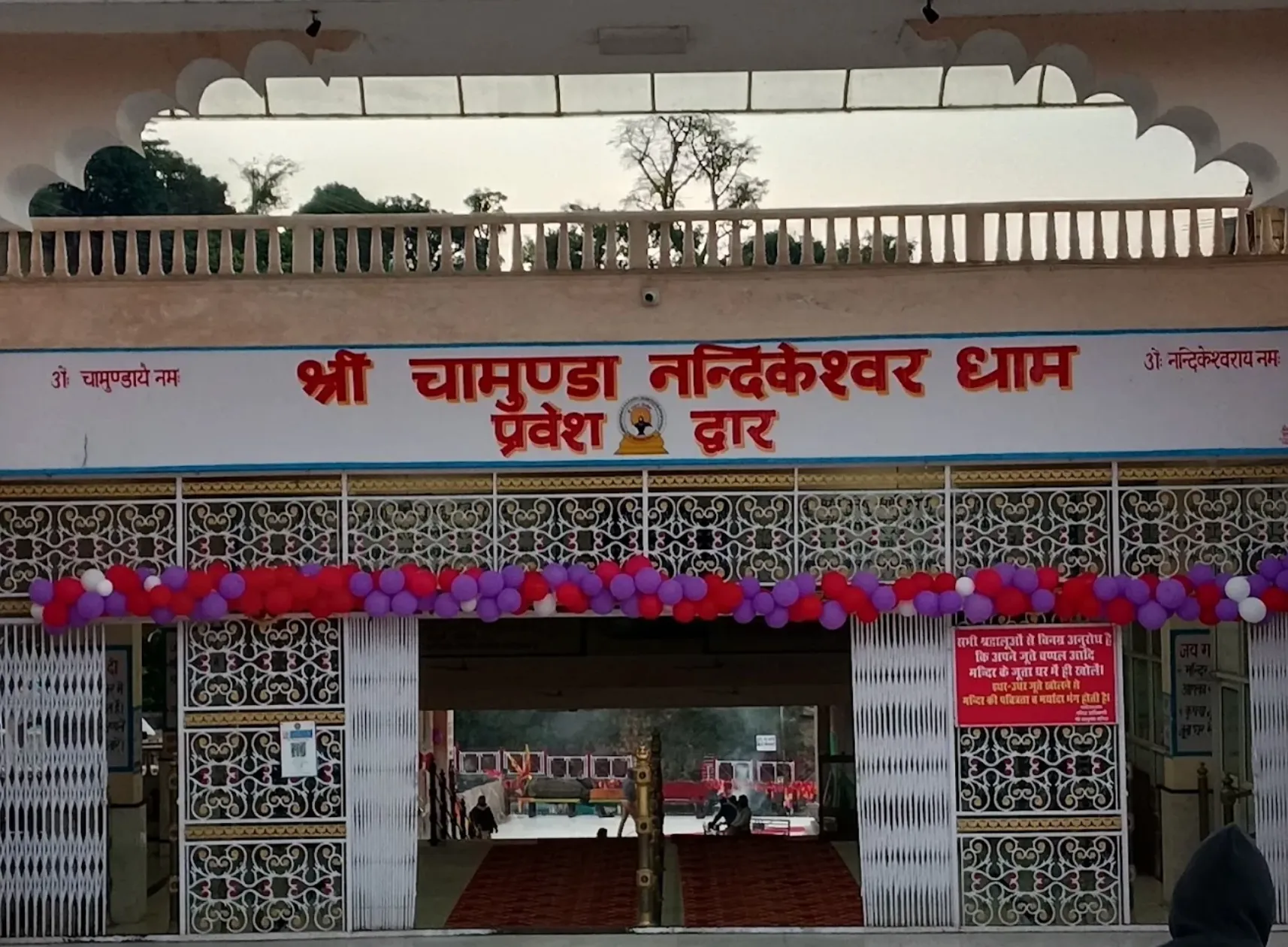
6. Chamunda Devi Temple, Kangra
Goddess: Chamunda, a fierce avatar of Goddess Durga. Named after the two demons she destroyed: Chanda and Munda.
Unique Fact: Sits right above the Baner River on a hilltop. It is the only temple in the circuit where a river runs directly below, heavily audible during morning prayers.
Location: Chamunda Devi village, Kangra district. ~19 km from Palampur.
Timings: Summer: 5:00 AM to 10:00 PM. Winter: 6:00 AM to 9:00 PM. Morning Aarti at 8:00 AM.
Entry Rules: Covered shoulders and legs required. Photography is allowed in the outer complex but not inside the sanctum.
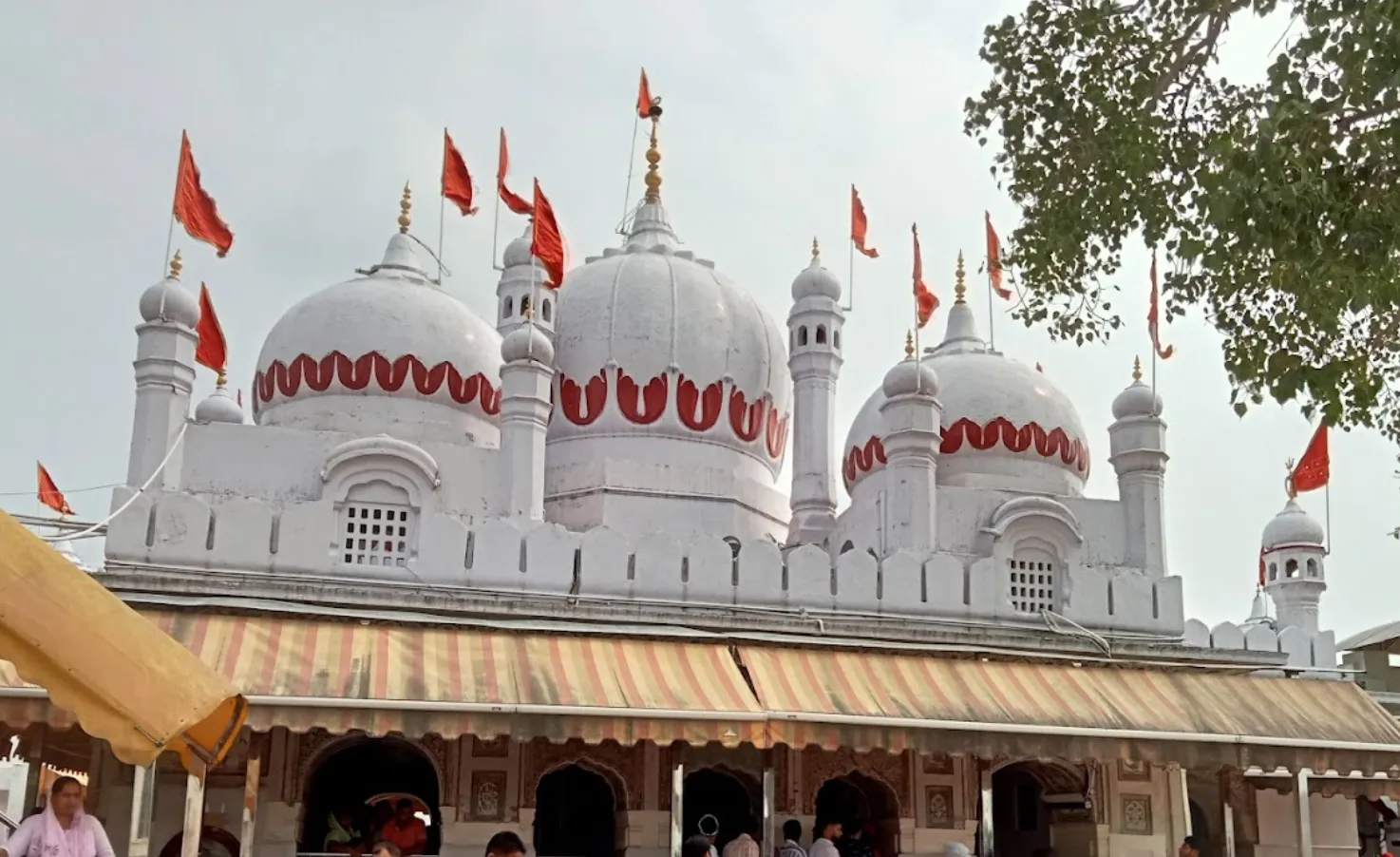
7. Mansa Devi Temple, Panchkula
Goddess: Mansa Devi, a form of Goddess Shakti believed to fulfill wishes (“Mansa” means desire).
Unique Fact: Famous for its “mannat” tradition. Devotees tie sacred threads on trees within the temple complex to mark their wishes and return to untie them once fulfilled.
Location: Panchkula, near Chandigarh, Haryana. ~240 km from Palampur.
Timings: Summer: 4:30 AM to 10:00 PM. Winter: 5:00 AM to 9:00 PM.
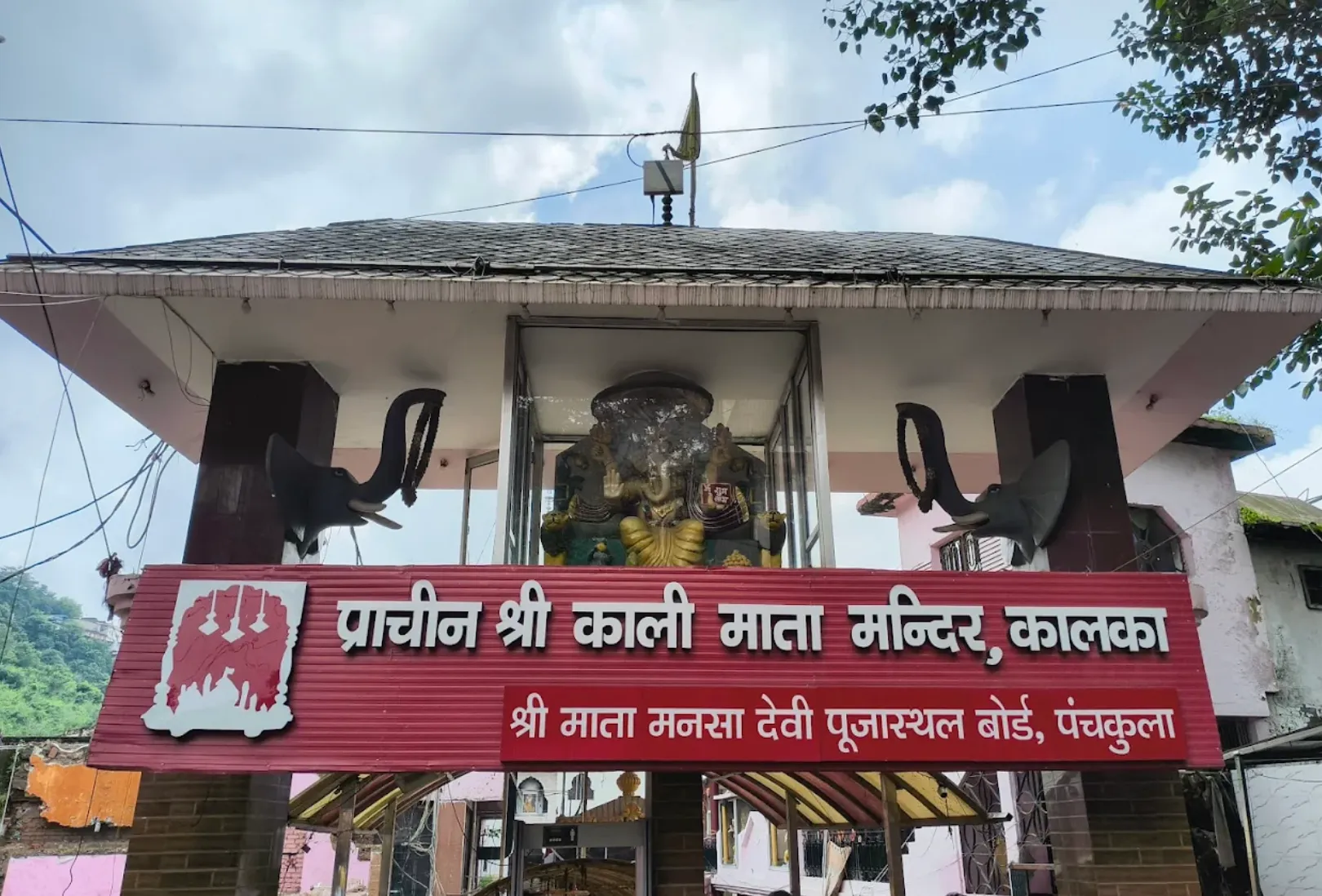
8. Kalka Devi Temple, Parwanoo
Goddess: Kalka Devi, a fierce form of Goddess Kali, worshipped as the destroyer of evil.
Unique Fact: Known as the “Gateway to Himachal Pradesh.” Located at the foothills where the plains meet the hills. Devotees stop here before starting their journey into Himachal.
Location: Kalka town near Parwanoo, Haryana-Himachal border. ~230 km from Palampur.
Timings: Summer: 5:00 AM to 9:00 PM. Winter: 6:00 AM to 8:30 PM.
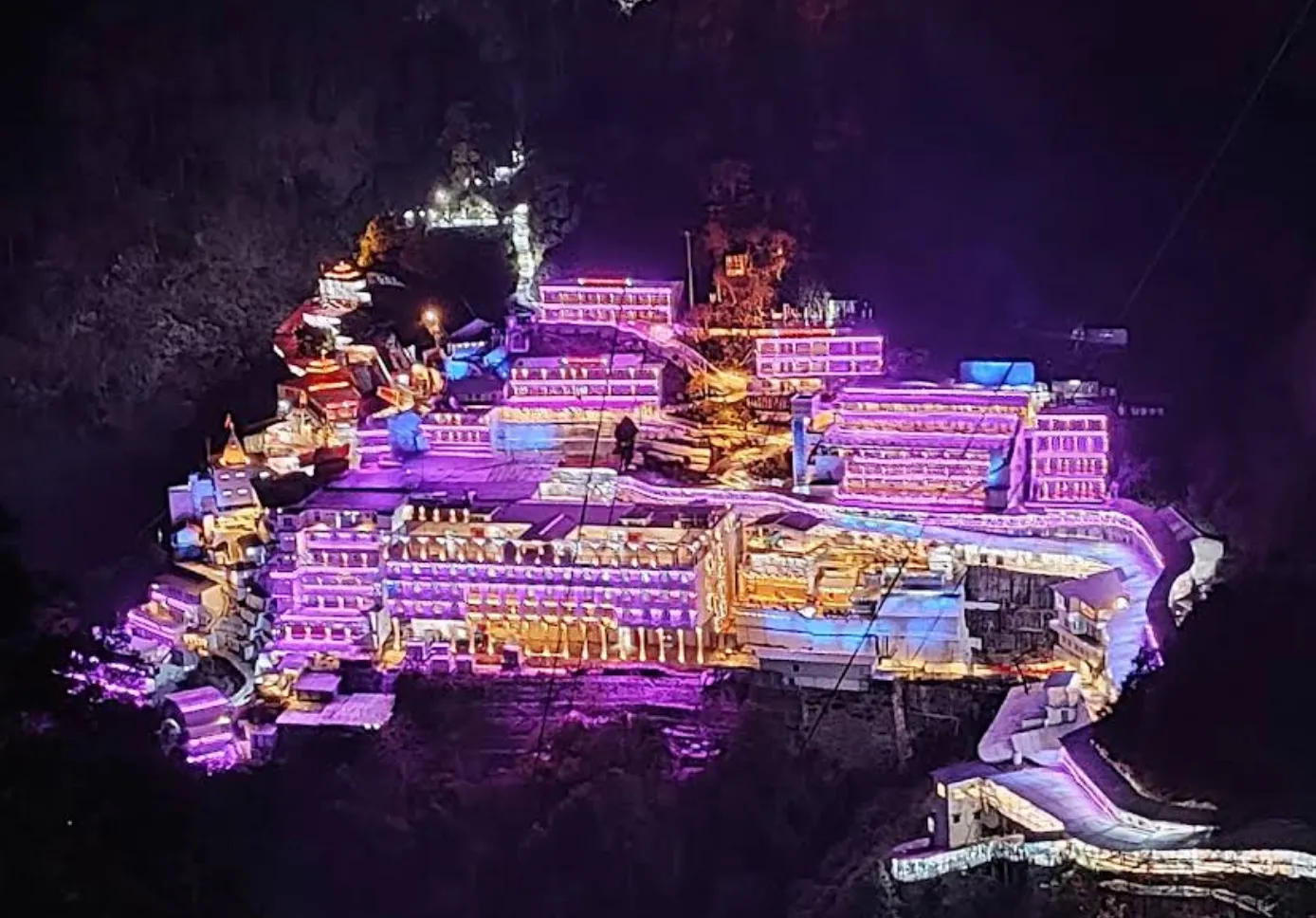
9. Vaishno Devi Temple, Katra
Goddess: Vaishno Devi, a combined manifestation of Mahakali, Mahalakshmi, and Mahasaraswati. Represents power, wealth, and knowledge.
Unique Fact: Worshipped in the form of three natural rock formations (Pindis) inside a cave. Pilgrims undertake a 13 km trek from Katra. Managed by Shrine Board providing helicopters, battery cars, ponies.
Location: Katra town, Reasi district, J&K. Situated in the Trikuta Hills. ~280 km from Palampur.
Timings: Open 24 hours throughout the year. Aarti is performed twice daily.
Entry Rules: Yatra registration is mandatory. No footwear allowed inside the cave. Strict security checks and baggage restrictions.
Which Circuit Is Right for You?
You now know all seven temples. The question is how many to include in one trip. The answer depends on your time, physical capacity, and what you are seeking from the journey.
The 4 Devi Circuit: For Shaktipeeth Completists
This circuit covers only the four official Shakti Peethas in Himachal Pradesh: Bajreshwari in Kangra, Jwala Ji in Jwalamukhi, Chintpurni in Una, and Naina Devi in Bilaspur. If your goal is to complete a scripturally defined yatra, this is the correct circuit. Two days are sufficient, but three days makes it comfortable. This circuit suits couples, solo devotees, and those who prioritise the Shaktipeeth tradition specifically.
Recommended Read: For a deeper dive into planning this specific route, explore our complete 4 Devi Darshan in Himachal Pradesh guide. It details dedicated itineraries, local road insights, and specialized tips tailored exclusively for these four core shrines.
The 5 Devi Circuit: The Most Popular Choice
This adds Chamunda Devi to the four Shaktipeethas. Chamunda Devi is ~19 km from Palampur, making it a natural first stop. Three days and two nights cover this circuit comfortably. This is the circuit most families from Punjab, Haryana, and Delhi complete. The route from Palampur flows logically without excessive backtracking.
The 7 Devi Circuit: For the Dedicated Pilgrim
Adding Baglamukhi at Bankhandi brings the count to six. A seventh temple, such as Sheetla Mata near Chintpurni, can be added for those wanting the full seven. Four days are needed. When comparing a 7 devi darshan in price, remember this circuit requires better planning around temple timings, as Baglamukhi has a midday closure from 11:00 AM to 12:00 PM during Bhog Aarti, adding an extra day of logistics.
The 9 Devi Circuit: The Full Yatra
This extends into Chandigarh (Mansa Devi) and Katra, Jammu (Vaishno Devi). It is a six to seven-day journey crossing three states. This is best suited for retired pilgrims, organised group yatras, or devotees for whom this is a once-in-a-lifetime journey. From Palampur, this circuit adds significant travel time and requires overnight stays at multiple points.
Recommended Read: Planning a complete Shakti Peeth pilgrimage across Himachal Pradesh? Explore our detailed 9 Devi Yatra Guide for temple-wise information, route planning, travel distances, suggested itineraries, and practical tips for a smooth darshan experience.
One Honest Caution
Many operators try to push pilgrims to complete the maximum number of temples in minimum time. Rushing a Devi Darshan turns it into a tick-box exercise. At Jwala Ji, the morning Mangala Aarti at 5:00 AM is a completely different experience from an afternoon visit. At Chamunda Devi, the morning mist above the Baner River creates an atmosphere that disappears by 9:00 AM. Rushing through six temples in two days means missing the spiritual depth at each one. Choose the circuit that gives you enough time at every temple, not the one that covers the most temples fastest.
Road Conditions & Logistics
Road Conditions Worth Knowing
The Palampur to Kangra stretch on NH 503 is a well-maintained four-lane highway. Drive times are reliable through the year. The Jwala Ji to Chintpurni stretch passes through Una and involves a climb after Amb Andaura. This section is a single-lane mountain road for the last 15 km before Chintpurni. During Navratri, this stretch sees significant congestion and can add 45 to 90 minutes to your drive time.
The Chintpurni to Naina Devi road via Una and Anandpur Sahib is mostly flat and well-paved. It is the most comfortable leg of the circuit.
Monsoon months of July and August bring landslip risk on two specific stretches: the Palampur to Chamunda road near Kangra town, and the hill approach to Chintpurni. Local taxi drivers who know the circuit will inform you of current road conditions before you depart.
Why a Private Taxi Matters More Than a Bus on This Route
Devi Darshan is time-sensitive in a way that most tours are not. The morning Mangala Aarti at Jwala Ji starts at 5:00 AM. The Bhog Aarti at Baglamukhi closes the sanctum from 11:00 AM to 12:00 PM. Chamunda Devi’s morning aarti at 8:00 AM draws a fraction of the midday crowd. Missing these windows by even 30 minutes changes the entire experience.
A private taxi from Palampur gives you full control of departure time, temple sequence, and how long you stay at each shrine. A bus cannot adjust to a shorter queue at Brajeshwari Devi. A bus will not wait while you complete a special puja at Jwala Ji. Drivers who regularly run the Devi Darshan circuit from Palampur also know the dedicated taxi parking at Jwala Ji, which is separate from the general parking area and saves a 25 to 30-minute walk to the temple gate.
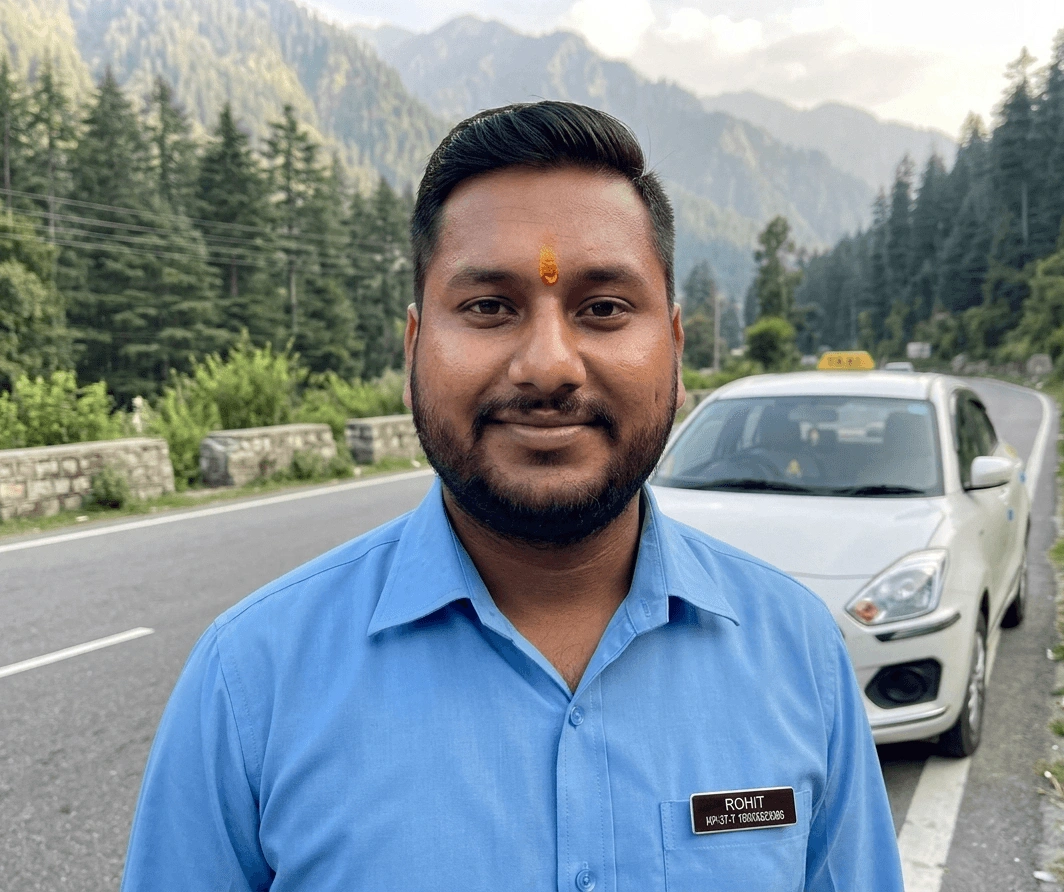
Driver of the Month
Rohit
Chief Yatra Specialist
Your Expert Guide to the Sacred Circuits
Rohit has been exclusively driving the Kangra Valley pilgrimage routes for over 8 years. He doesn’t just drive; he orchestrates your yatra. From knowing the exact taxi queue shortcuts at Jwala Ji to pacing the steep drive up to Chintpurni, Rohit ensures your spiritual journey is completely stress-free.
200+
Yatras Completed
100%
Hill Safety Record
5.0
Pilgrim Rating
Why Pilgrims Request Him
Knows the dedicated taxi parking entries that save you a 30-minute walk at major temples.
Expert at timing departures to align perfectly with Mangala and Bhog Aarti schedules.
Navigates heavy Navratri traffic and monsoon hill conditions with absolute calm and safety.
When to Go
The right timing for Devi Darshan is not simply about good weather. It is about aligning your visit with temple energy, crowd levels, and road safety at the same time.
Chaitra Navratri (March to April)
Chaitra Navratri falls in spring and lasts nine days. This is the first major pilgrimage peak of the year. All seven temples run extended hours and special rituals during this period. At Chintpurni and Naina Devi, the queue for darshan during Navratri can run from 6 to 7 hours on peak days. Jwala Ji sees large overnight crowds during the first and eighth days of Navratri. The atmosphere is spiritually charged and culturally rich.
If you plan Navratri darshan, book your taxi at least 2 weeks in advance. Road traffic near Chintpurni and Jwala Ji builds from Day 5 onwards. The first two days of Chaitra Navratri and the last day, Ashtami, see the highest footfall.
Sharad Navratri (September to October)
This is the second and larger Navratri, falling in autumn. The Chamunda Devi fair is held during Sharad Navratri, with cultural programs and bhajan nights in Kangra. Weather during this period is excellent across the Kangra Valley. Post-monsoon roads are clean and visibility is clear. This is the most spiritually complete season to do the circuit, combining good weather with festival energy.
Shravan Ashtami (July to August)
The Naina Devi annual fair is held during Shravan Ashtami, typically in July or August. This fair is one of the largest single-day gatherings at any Devi temple in Himachal Pradesh. If Naina Devi is your priority temple, this is the most auspicious time to visit it specifically.
However, the monsoon brings a real road risk on the Chintpurni approach and the Palampur to Chamunda stretch. Landslips are not rare in this region during July and August. This season is not recommended for the full circuit.
March to Early June (Pre-Monsoon)
This window, excluding the Navratri peak, gives you pleasant weather, moderate crowds, and open roads. April and May are particularly comfortable in the Kangra Valley, with temperatures between 18 to 28 degrees Celsius. Darshan queues at most temples stay under 45 to 60 minutes. This is the best window for families with children, senior pilgrims, and first-time visitors.
November to February (Winter)
Winter in the Kangra Valley is cold but largely manageable. Temperatures in Palampur drop to 4 to 8 degrees Celsius overnight but stay above 10 to 15 degrees during the day. The temples remain open with winter timings. Crowds are genuinely thin during this period, and some devotees report that winter darshan at Jwala Ji is the most serene experience, with the flames appearing more vivid against the cold air.
Naina Devi and Chintpurni, being at lower elevations, stay accessible through winter. December and January are good months for those who want personal, unhurried darshan at every temple without queuing at all.
Practical Checklist
Every item here matters for a smooth Devi Darshan. None of it is obvious to a first-time pilgrim.
Before You Leave Palampur
- Carry cash. Most temple prasad counters, parking lots, and shoe deposit counters do not accept UPI or cards. Carry at least Rs 2,000 in small denominations per person for a 3-day circuit.
- Check the mobile network. BSNL works most reliably across Jwala Ji, Chintpurni, and Naina Devi. Jio has coverage gaps on the hill stretch between Amb Andaura and Chintpurni. Download offline maps before departing.
- Footwear matters. All seven temples require removing shoes before entry. Slip-on chappals are the practical choice.
- Dress code. All temples require covered shoulders and legs for both men and women. At Baglamukhi specifically, yellow clothing is not just a tradition but a religious request.
- Medicines and personal health items. Carry personal blood pressure medication, knee support if needed, and a light raincoat from May onwards. The walk from the Chintpurni parking area involves an incline on stone steps.
At the Temple
- Special darshan passes, often called VIP or Priority Darshan passes, are available at Chintpurni, Jwala Ji, and Naina Devi. These passes reduce wait time significantly during peak seasons. At Chintpurni, the special darshan queue takes 20 to 30 minutes compared to the general queue that can run 3 to 6 hours during Navratri.
- Buy prasad only from temple trust counters, not from vendors on the approach lane. Temple trust counters sell prasad that is freshly prepared on the same day and stored under supervised conditions.
- Photography is strictly prohibited inside the sanctum at all seven temples. The outer premises allow photography.
- Silence is expected near the sanctum at Jwala Ji specifically. The narrow queue passage around the flame pit requires pilgrims to move quietly and steadily.
Frequently Asked Questions
1. How many Shakti Peethas are in Himachal Pradesh?
Himachal Pradesh has four official Shakti Peethas out of the total 51 recognized across South Asia. These are Bajreshwari Devi in Kangra, Jwala Ji in Jwalamukhi, Chintpurni in Una district, and Naina Devi in Bilaspur district. Chamunda Devi and Baglamukhi are revered Shakti shrines but are not counted among the 51 Peethas in the classical scriptures.
2. What is the difference between 5 Devi Darshan and 7 Devi Darshan?
The 5 Devi circuit covers the four Shakti Peethas plus Chamunda Devi. The 7 Devi circuit adds Baglamukhi at Bankhandi and one more temple, often Sheetla Mata near Chintpurni. The difference is two additional temples, one extra day of travel, and slightly more planning around temple timing and road sequencing.
3. How many days are needed for Devi Darshan from Palampur?
Three days and two nights cover the 5 Devi circuit comfortably from Palampur. Four days are needed for the 7 Devi circuit. Starting from Palampur reduces travel time on Day 1 significantly.
4. Which is the most visited Devi temple in Himachal Pradesh?
Chintpurni Devi in Una district receives the highest annual devotee count of all Devi temples in Himachal Pradesh. During both Navratris, queues can run 6 to 7 hours on peak days without a special darshan pass.
5. Can Devi Darshan be done in 2 days from Palampur?
Yes, the 4 Devi circuit covering only the four Shakti Peethas can technically be done in 2 days. However, it requires very early departures and quick darshans at each temple. This pace is not comfortable for senior pilgrims or families with children.
6. What is the best time to visit Jwala Ji without a long queue?
The Mangala Aarti at Jwala Ji starts at 5:00 AM. Arriving between 5:00 AM and 7:00 AM gives you the shortest queue on normal days. Midweek visits from Tuesday to Thursday also see lighter crowds than weekend visits.
7. Is Baglamukhi part of the Shakti Peethas?
No. Baglamukhi at Bankhandi is one of the 10 Mahavidyas of Shakti tradition, which is a separate and equally significant category of goddess worship. The temple is not among the 51 Shakti Peethas but is included in the 7 Devi circuit because of its spiritual importance.
8. What is the dress code for Himachal Devi temples?
All seven temples require covered shoulders and legs for both men and women. Baglamukhi specifically requests yellow clothing, especially for those performing puja. Shoes must be removed before entering every temple.
9. Is Devi Darshan suitable for senior citizens?
Yes, with the right planning. Naina Devi has a cable car that covers the hilltop ascent in 7 minutes, bypassing the 200-step foot trail. Chintpurni has a gradual paved incline from the shoe counter to the sanctum. A private taxi also allows rest stops between temples.
10. Is Vaishno Devi part of Himachal Devi Darshan?
No. Vaishno Devi is located in Katra, Jammu and Kashmir (~280 km from Palampur). It is a separate pilgrimage from the Himachal circuit. Many devotees combine the two into a longer yatra, which becomes the 9 Devi circuit.
Nearby Additions Worth Considering
These stops are included here because they fall directly on the Devi Darshan route from Palampur. None of them require a detour. All of them add value only if your group has genuine interest and time to spare.
Kangra Fort (On Route: Brajeshwari Devi Day)
Kangra Fort sits 3 km from the Brajeshwari Devi temple. The fort is the largest in the Indian Himalayas, spread across 463 acres, and its earliest recorded reference dates to the invasion by Mahmud of Ghazni in 1009 AD. Entry fee is Rs 20 for Indians via e-ticket. Open from sunrise to sunset.
If your group completes darshan at Brajeshwari Devi before 10:30 AM, a 45-minute stop at the fort is practical before driving toward Jwala Ji. The fort gives clear views of the Kangra Valley and the Banganga and Manjhi rivers below.
Baijnath Shiv Temple (On Route: Palampur Day 1 Morning)
Baijnath temple is 16 km from Palampur on the Mandi highway, in the opposite direction from the Devi Darshan circuit. It is an 8th-century Shiva temple dedicated to Vaidyanath, Lord Shiva as the healer. The Archaeological Survey of India maintains it as a protected monument.
This stop works only if your group wants to include a Shiva temple alongside the Devi Darshan. It adds roughly 40 to 50 minutes to the Day 1 morning. It is a genuine ancient temple with stone carvings that survive largely intact.
Pong Dam, Maharana Pratap Sagar (On Route: Kangra to Chintpurni Day 2)
The Maharana Pratap Sagar wetland, formed by Pong Dam on the Beas River, lies between Kangra and Una on the highway used for the Chintpurni leg. It is a Ramsar designated wetland and one of the largest man-made wetlands in North India.
From November to February, migratory birds from Central Asia and Siberia arrive here in large numbers. If your Devi Darshan falls in this window, a 20-minute stop at the lakeside viewpoint near Nagrota Suriyan adds something genuinely different to the journey.
Gopalpur Zoo, Kangra (On Route: Palampur to Chamunda Day 1)
Gopalpur Zoo sits on the Palampur to Dharamshala highway, roughly 12 km from Palampur. It is a small hill zoo that houses Himalayan fauna including leopards, deer, and pheasants native to the region.
This stop works only for families with young children who may find the temple circuit tiring on Day 1. A 45-minute visit in the morning before Chamunda Devi is possible if the group departs from Palampur by 7:00 AM.
Book Your Devi Darshan Taxi from Palampur
Palampur is where your Devi Darshan journey begins and ends. Every temple in the circuit is reachable from here in a well-planned, fuel-efficient loop. No base point in the Kangra Valley puts you closer to Chamunda Devi and Brajeshwari Devi at the same time.
What to Tell Us When You Book
To give you the right vehicle and the right plan, we need four things from you: which circuit you want (4, 5, or 7 Devi), how many people are travelling, whether any member of your group needs special assistance, and whether you want a return trip or a drop-off at a different destination. That is all. We handle the route, the parking, the aarti timing plan, and the road checks before departure.
Why a Palampur Driver Makes a Difference
A driver who runs the Devi Darshan circuit regularly knows the dedicated taxi parking entry at Jwala Ji, which saves a 25 to 30-minute walk compared to general parking. He knows that the Baglamukhi sanctum closes from 11:00 AM to 12:00 PM for Bhog Aarti, so the morning schedule is built around that. He knows that Wednesday and Thursday typically have lighter queues at Chintpurni compared to weekends. He knows which roadside dhaba between Jwala Ji and Una serves clean, freshly cooked food for a mid-circuit meal.
None of that knowledge is in a booking app. It comes from doing this route every season across years.