Mansa Devi Temple, Panchkula: The Wish-Fulfilling Goddess of the Shivalik Foothills
Quick Summary
- Main Deity: Goddess Mansa Devi (The Wish-Fulfilling Goddess)
- Temple Location: Bilaspur village, Panchkula district, Haryana (Adjacent to Chandigarh)
- Key Feature: Two main temples built by different princely states showcasing distinct architectural styles
- Pilgrim Highlights: The sacred thread-tying tree for vow making
- Major Event: Massive organized Navratri festival setups hosting millions of devotees
Table of Contents
Temple Overview
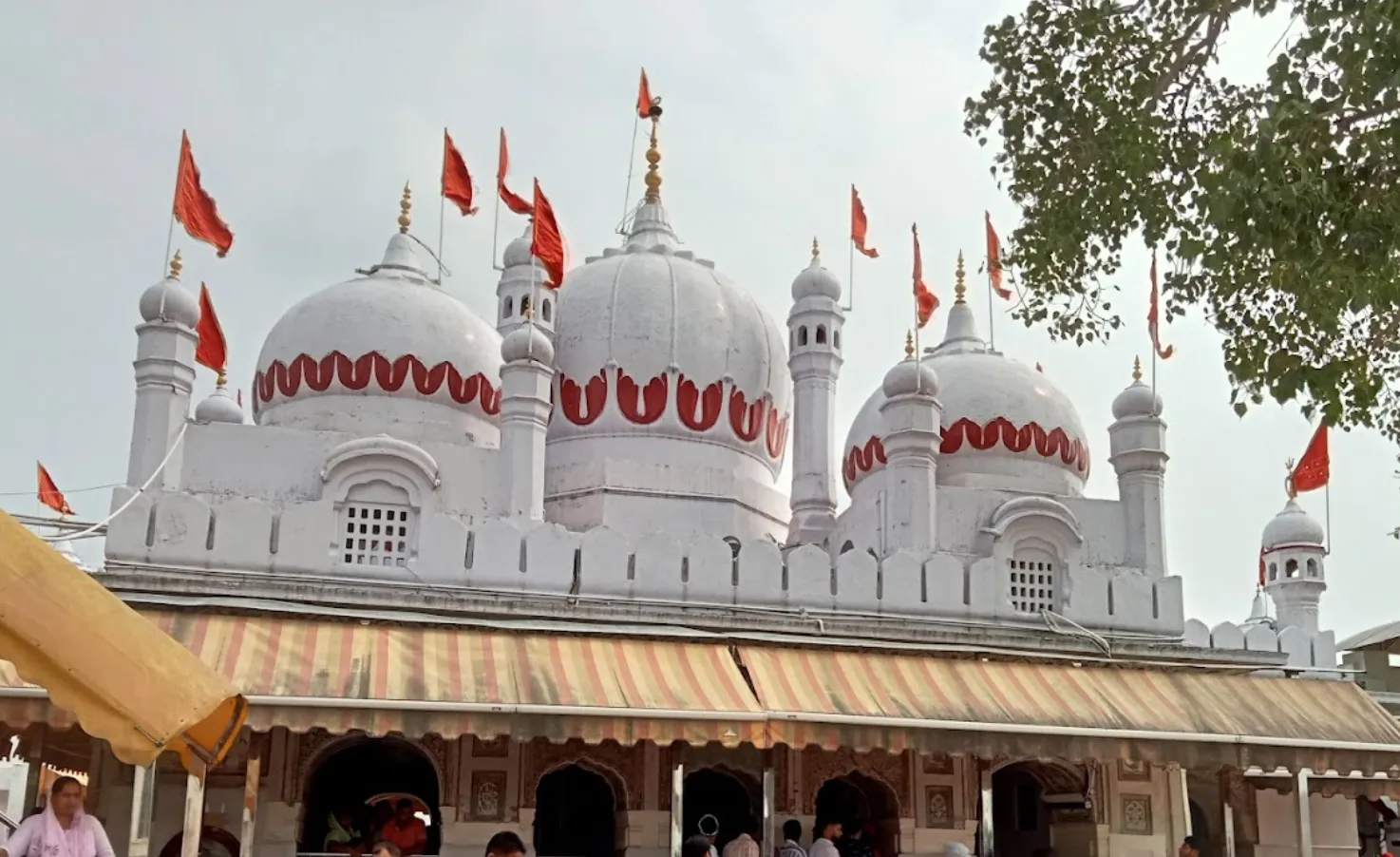
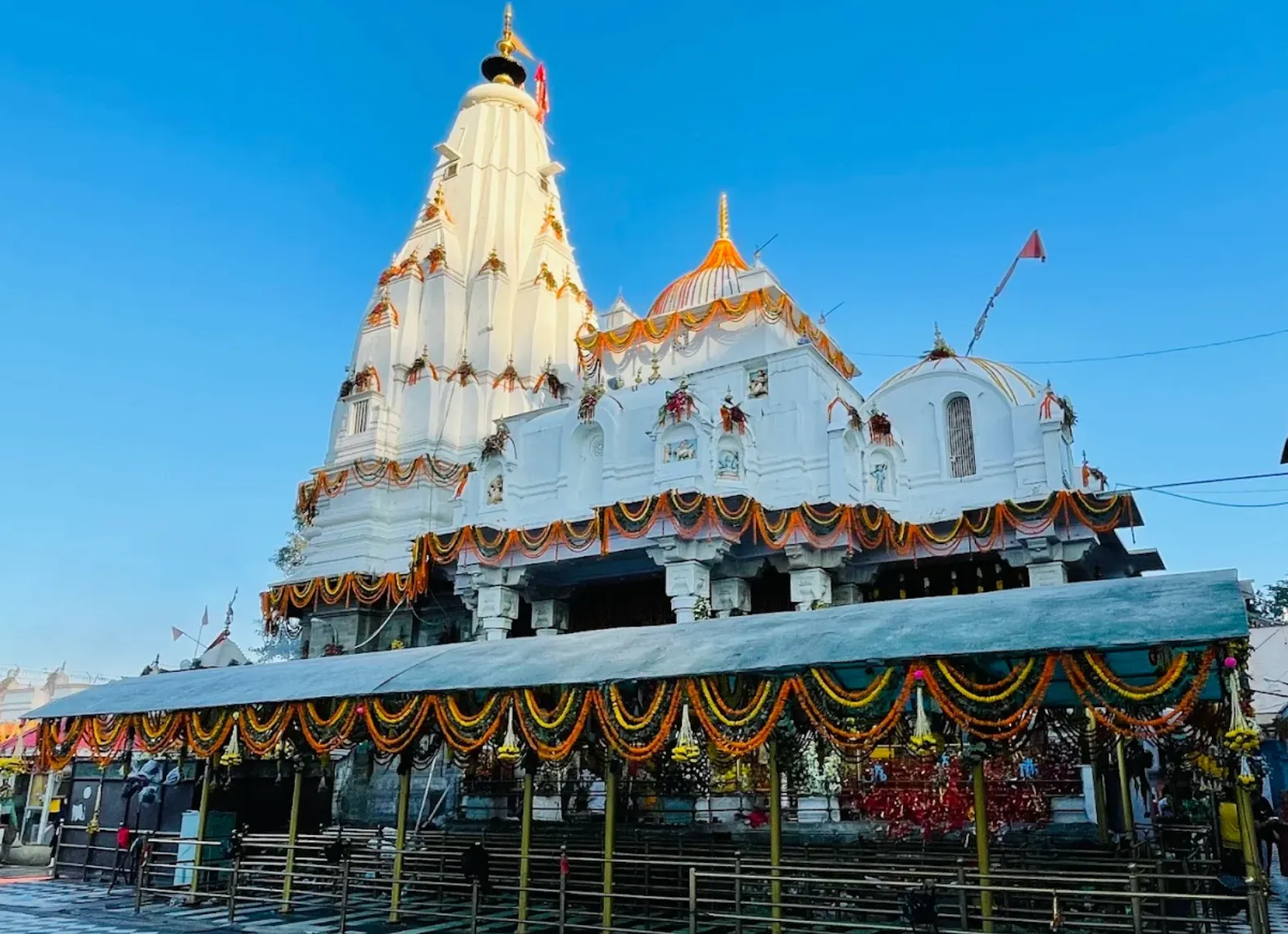
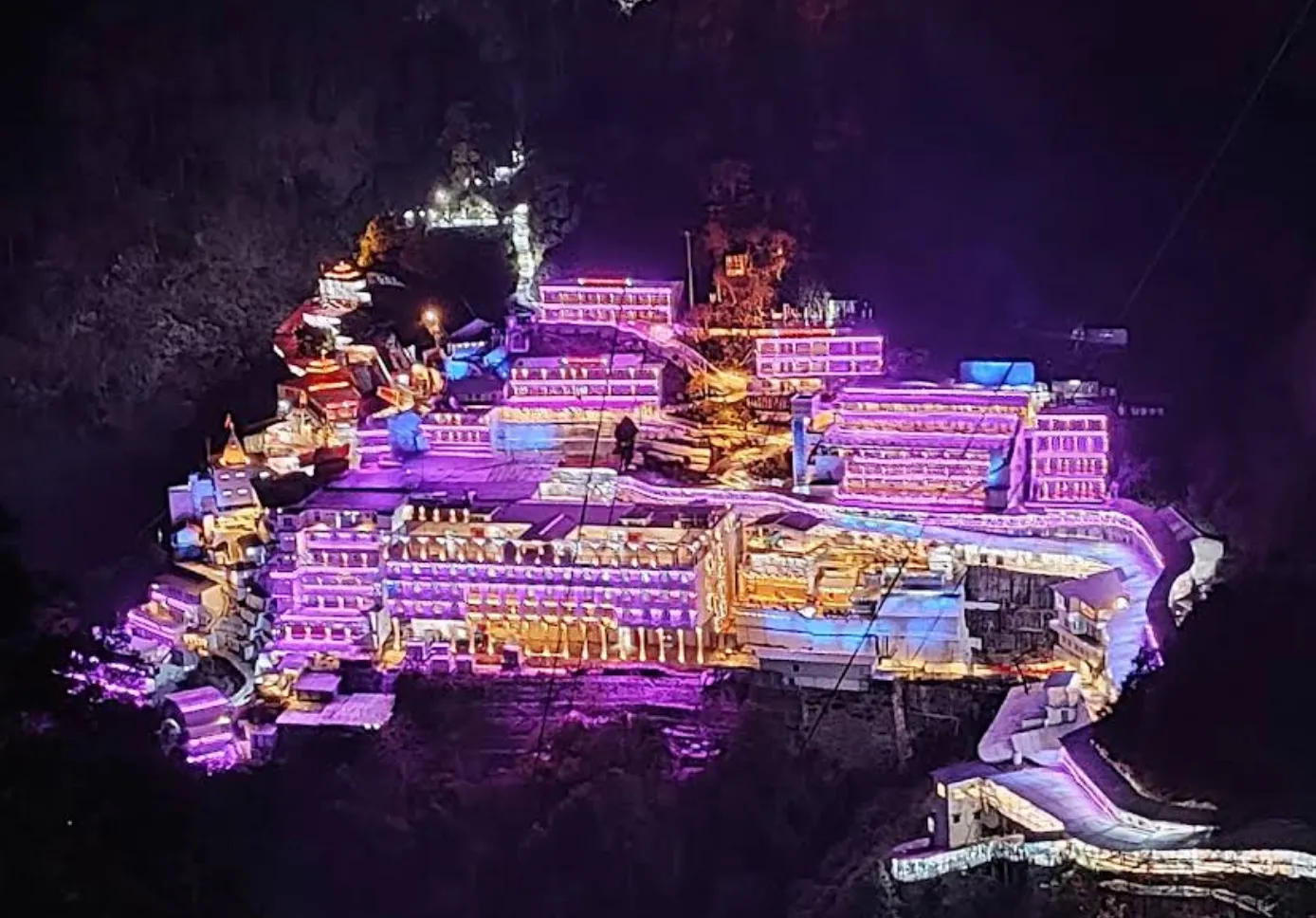
The Mansa Devi Temple sits in the beautiful Shivalik foothills. It is located in Bilaspur village within the Panchkula district of Haryana. The shrine lies immediately adjacent to Chandigarh city. It is roughly 10 kilometers from the Chandigarh bus terminus. The Panchkula bus terminus is just four kilometers away. The sprawling complex covers roughly 100 acres of land. It houses two distinct temples built by different royal patrons.
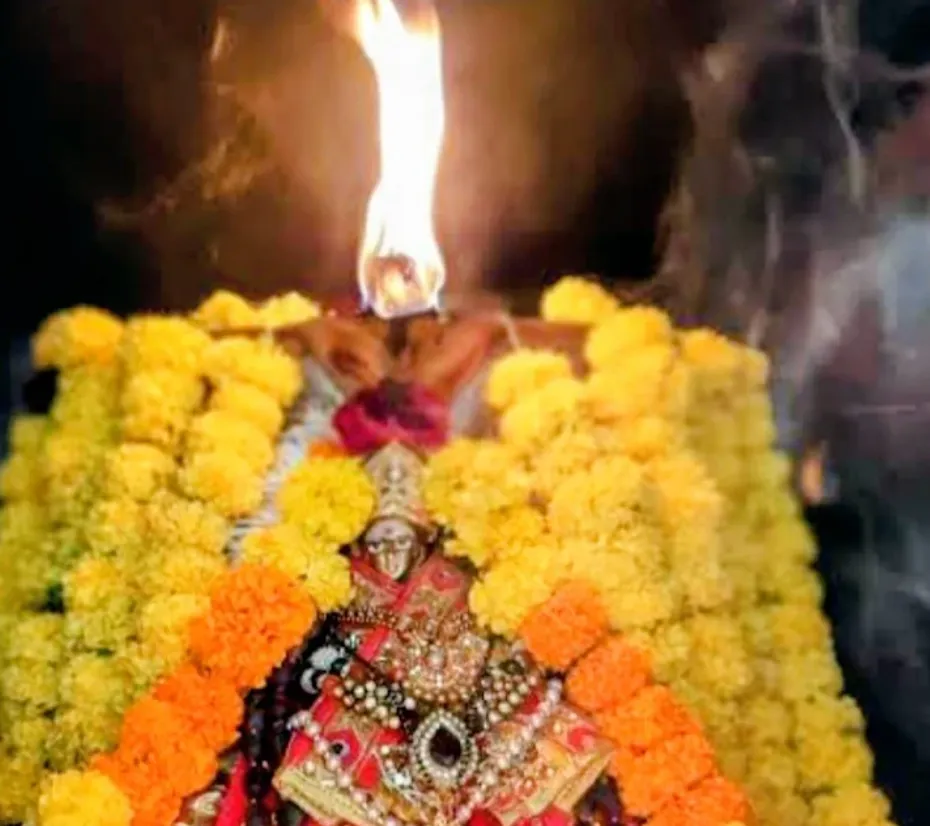
The name Mansa derives from the Sanskrit word Manasa. This translates to wish or desire. Devotees revere Mansa Devi as the wish fulfilling goddess. Local traditions suggest she emerged from the mind of Lord Shiva. Other regional accounts describe her as the daughter of Sage Kashyapa. Millions of devotees visit this sacred shrine annually. The largest crowds gather during the two major Navratri festivals.
Location Highlights
The massive 100-acre complex lies adjacent to Chandigarh city in the Panchkula district. It is just 4 kilometers from the Panchkula bus terminus and 10 kilometers from Chandigarh.
The Two Temples: Royal Patronage and Architectural Contrast
The Mansa Devi complex features two main temples. Two different Sikh princely states built these shrines about 25 years apart.
Maharaja Gopal Das Singh of Mani Majra constructed the main temple. He built it between the years 1811 and 1815. Its architectural style looks quite different from typical Shivalik regional designs. It lacks the traditional curved spire found in most hill temples. Instead it reflects a distinctive flat character introduced by the Mani Majra rulers.
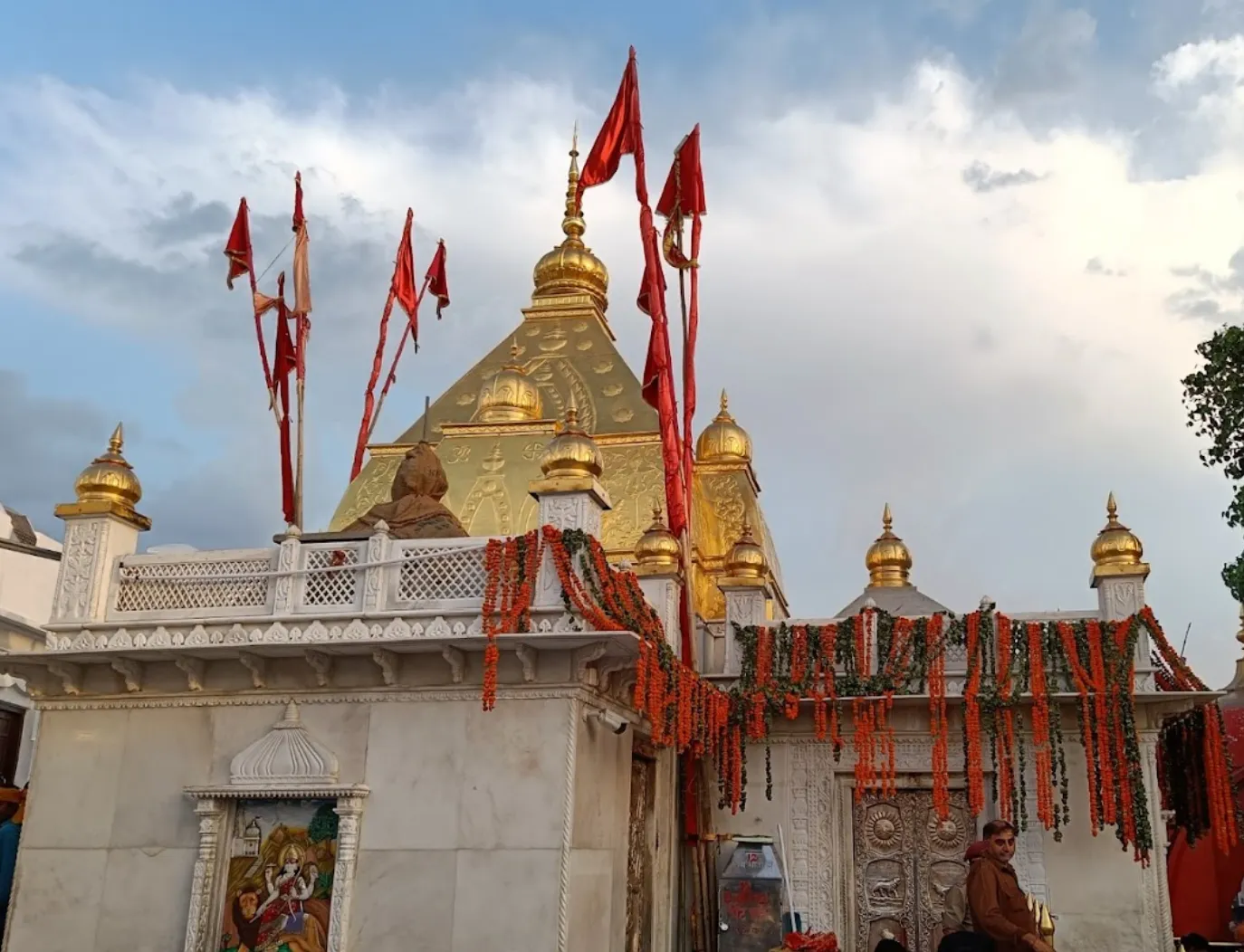
The Patiala Temple sits about 200 meters from the main shrine. Maharaja Karam Singh of Patiala built this structure in 1840. This temple follows the traditional North Indian architectural style. It features a beautifully curved main spire. The structure includes four projections on its sides with smaller conical spires. This striking architectural contrast creates a fascinating study of 19th century royal patronage.
The Cow and the Three Sacred Stones: Discovery of the Pindi
A local oral tradition explains how people discovered the original sacred stones. According to this account a cow visited the hilltop daily. The animal would spontaneously offer milk over three adjacent stones. A local resident repeatedly observed this unexplained behavior. Upon closer investigation villagers found three sacred stones emerging from the earth. The community recognized these as divine manifestations and began daily worship. A temple was later constructed to protect the sacred site.
Many consider animals capable of sensing spiritual energy that humans overlook.
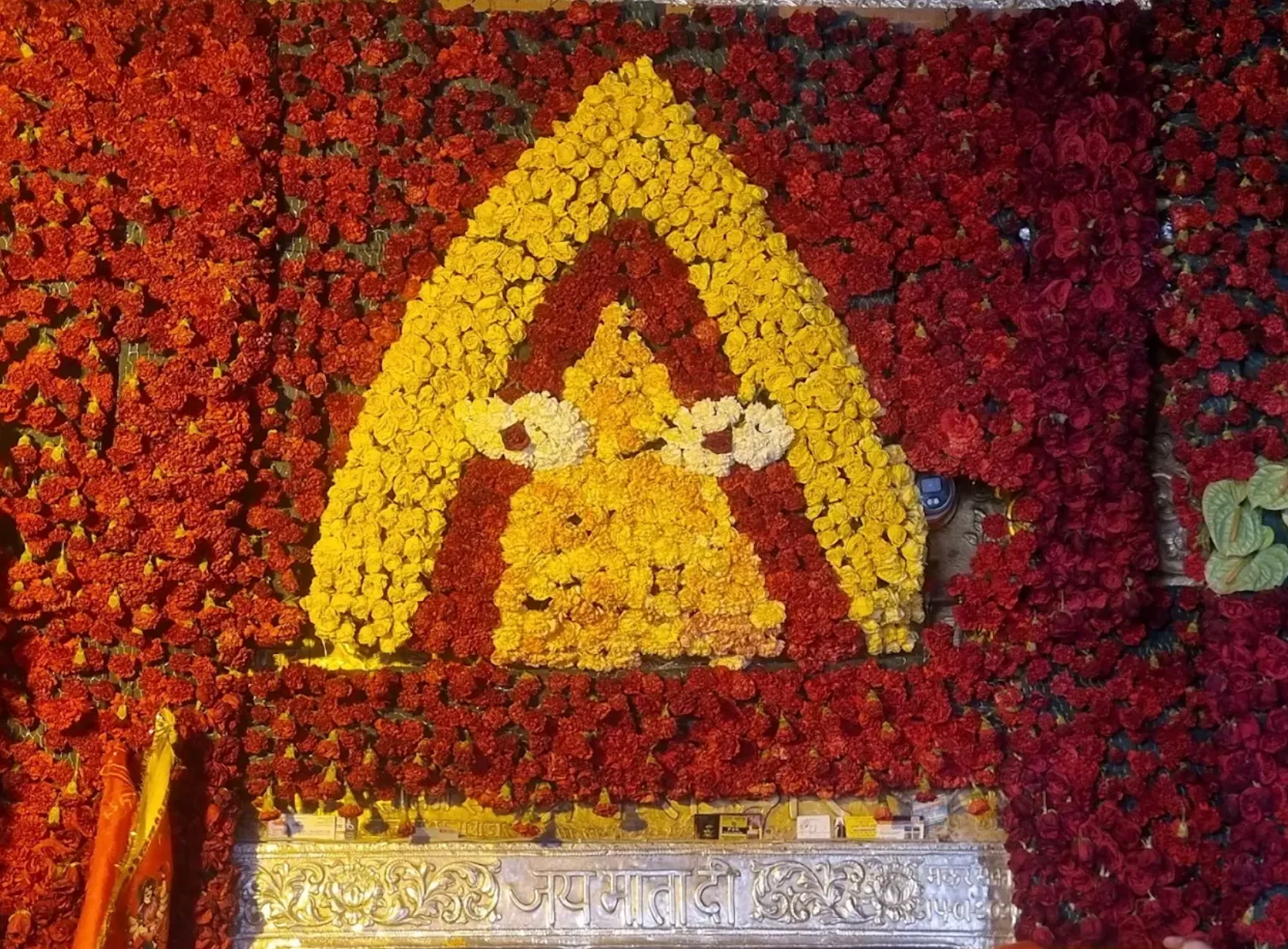
This specific motif of animal discovery appears across many northern Indian shrines. It reflects a traditional belief about sacred geography. Priests worship the goddess through these sacred round stones called Pindis. Some local accounts identify the presence of seven stones. However the three stone discovery narrative remains the most widely accepted founding legend.
The Sacred Thread-Tying Tree: An Active Vow Practice
A Living Record of Hope
The most distinctive ritual feature here involves an ancient sacred tree. Devotees tie colored threads around its branches to seek divine favors. This specific practice is a core part of the Mansa Devi tradition. It happens with great devotion at the Panchkula temple.
A devotee makes a sincere prayer for a specific wish. They then tie a thread around the tree as a physical vow. Devotees believe they must return to the temple once their wish comes true. They untie a thread to offer their deepest gratitude to the goddess. Local traditions warn that forgetting this promise may bring negative consequences.
The tree serves as much more than a simple devotional object. It stands as a living record of thousands of individual prayers. The massive accumulation of threads represents profound human hope and spiritual faith.
The Haryana Government and the Shrine Board
The temples suffered from neglect after independence and the merger of princely states. The Government of Haryana eventually stepped in to manage the site. They passed the Shri Mata Mansa Devi Shrine Act in 1991. This act established an official management board. The Chief Minister of Haryana serves as its permanent chairman.
The Shrine Board manages the entire Mansa Devi complex. It also administers the nearby Chandi Mandir. The city of Chandigarh and the local army cantonment take their names from this specific shrine. The Government of India allocated major funds for facility upgrades in 2021. This happened under the national PRASAD tourism scheme.
This high level of active government management is quite rare. Having the state Chief Minister directly chair the board ensures strong institutional administration.
Navratri Arrangements: The Scale of Mass Pilgrimage
The temple board makes massive arrangements during the Navratri festivals. These efforts easily accommodate millions of pilgrims over just nine days.
The administration sets up large tented accommodations on temple lands. Staff members distribute free blankets to visiting pilgrims. The board establishes multiple medical dispensaries and emergency first aid stations. The entire complex operates continuously for seven days. The temples close for only two hours at night for deep cleaning on the seventh and eighth days.
The Haryana government appoints specific duty magistrates and nodal officers. They carefully manage massive crowd flows and ensure strict law enforcement. This elaborate administrative setup highlights the scale of this religious event. It remains one of the largest mass gatherings in North India.
Voluntary free community kitchens operate continuously throughout the complex. They provide hot meals to all visiting pilgrims during the entire festival period.
Plan Your Complete Himachal Devi Darshan
Embark on the ultimate spiritual journey across the majestic Himalayas. Connecting the powerful Shakti Peethas—including Brajeshwari, Jwala Ji, Chintpurni, and Chamunda Devi—requires careful route planning through mountainous terrain. Ensure a seamless, deeply spiritual pilgrimage for you and your family by organizing your temple circuit with regional experts.
Explore Devi Darshan RoutesPlanning Your Temple Visit With Palampur Taxi Service
Planning a spiritual trip across the northern Indian plains requires reliable transport. Many pilgrims visit the Mansa Devi Temple before heading further into the Himachal mountains. Traveling from Chandigarh to the deeper Himalayan shrines like Kangra Devi takes careful planning.
Palampur Taxi Service offers excellent support for visitors exploring these sacred routes. Their experienced drivers easily navigate the busy highways and winding mountain roads. Using a dedicated local cab makes the transition from the city to the hills incredibly smooth. This travel convenience is highly beneficial for families traveling with children or elders.
Palampur Taxi Service ensures you travel safely between different temple regions. You can plan your entire Devi circuit without relying on crowded public buses or changing transport constantly.
How to Reach Mansa Devi Temple, Panchkula
By Air
The Shaheed Bhagat Singh International Airport in Chandigarh is the closest option. It is located roughly 15 kilometers away from the temple complex.
By Rail
The Chandigarh Railway Station is the primary railhead for visiting pilgrims. It sits approximately 10 kilometers from the main temple gate.
By Road (Taxi/Bus)
Local city buses connect directly from the Chandigarh and Panchkula bus stations. The temple structure is clearly visible from National Highway 22 running through Panchkula.
Visitor Information & Parking
- Temple Timings: 4:00 AM to 10:00 PM during summer. 5:00 AM to 9:00 PM during winter.
- Navratri Extended Hours: The temple remains open from 5:00 AM to 10:00 PM throughout the nine days.
- Entry Fee: There is no entry ticket required for regular darshan.
- Dress Code: Visitors must wear modest clothing. Devotees must cover their heads before entering the temple complex.
- Photography: Taking photos is strictly banned inside the main inner sanctum.
- Parking: Extensive municipal parking facilities exist within the massive complex, easily accommodating large numbers of personal vehicles even during major festivals.
Frequently Asked Questions
Does Mansa Devi Temple in Panchkula have a ropeway?
No. The Mansa Devi Temple at Panchkula does not feature a ropeway. The famous ropeway exists at the Mansa Devi Temple in Haridwar. Both temples honor the same goddess but remain completely separate shrines.
What is the significance of the sacred thread tying tree?
The tree serves as a physical record of vows made to the goddess. Devotees tie threads when making a wish. They untie a thread once the wish comes true. This practice forms a core devotional tradition here.
Is Mansa Devi Temple located inside Chandigarh or Haryana?
The temple sits in the Panchkula district of Haryana. It is located immediately adjacent to Chandigarh. However it falls entirely within the administrative boundary of Haryana state.
What is the dress code for visiting the temple?
Visitors must wear respectful and modest clothing. Both men and women must cover their heads with a cloth or scarf before entering the premises.
Are cameras or mobile phones allowed inside the sanctum?
You can carry mobile phones into the outer complex. However photography and videography are completely banned inside the main sanctum to maintain spiritual sanctity.
Is there a VIP darshan facility available for pilgrims?
The temple trust generally provides free general darshan for all visitors. They do manage separate organized queues to assist elderly visitors and those needing physical support.
How long does the normal darshan process take?
On regular weekdays the darshan process takes about 30 to 45 minutes. Wait times can extend to several hours during the extremely busy Navratri festival days.