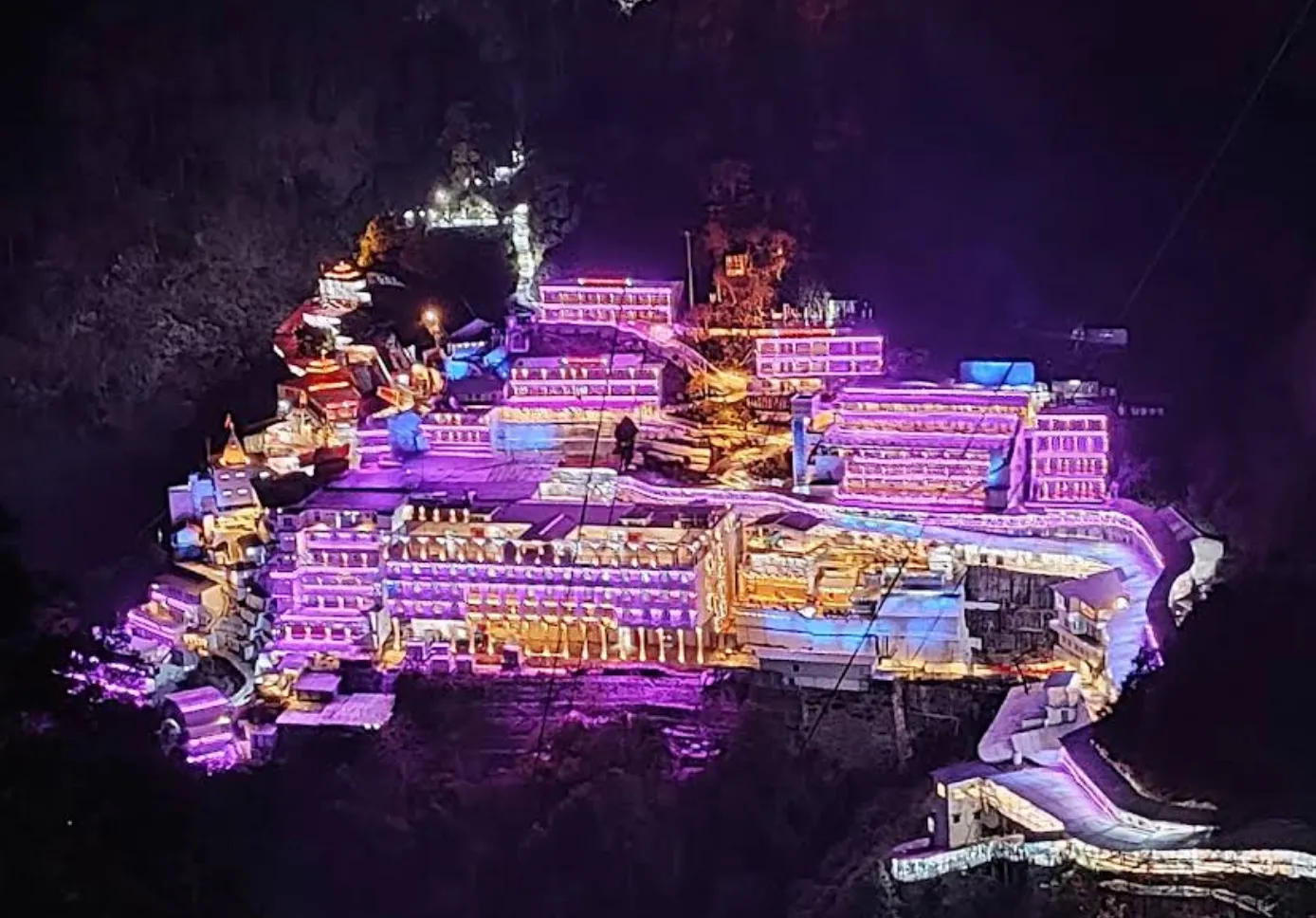
Kalka Devi Temple, Kalka: The Goddess Who Named a Town and a Railway
Quick Summary
- Main Deity: Goddess Kali (Kalka Mata)
- Temple Location: Kalka, Panchkula District, Haryana (On NH 5)
- Key Feature: Highly unusual 12-sided central chamber and Svayambhu Pindi
- Historic Role: The ultimate gateway shrine to Himachal Pradesh
- Heritage Link: The town and the UNESCO Kalka-Shimla Railway are named after the local goddess
Table of Contents
Temple Overview

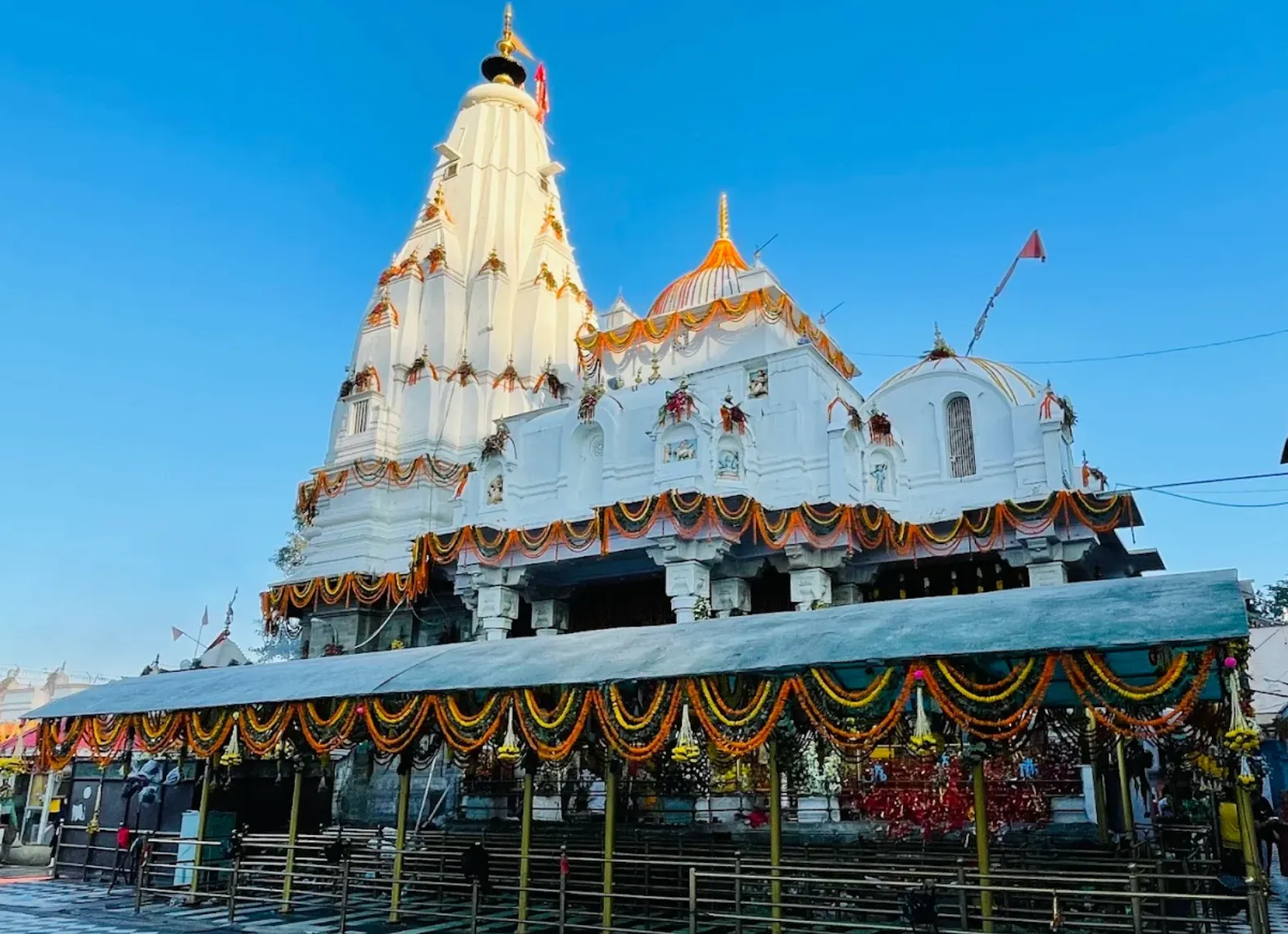
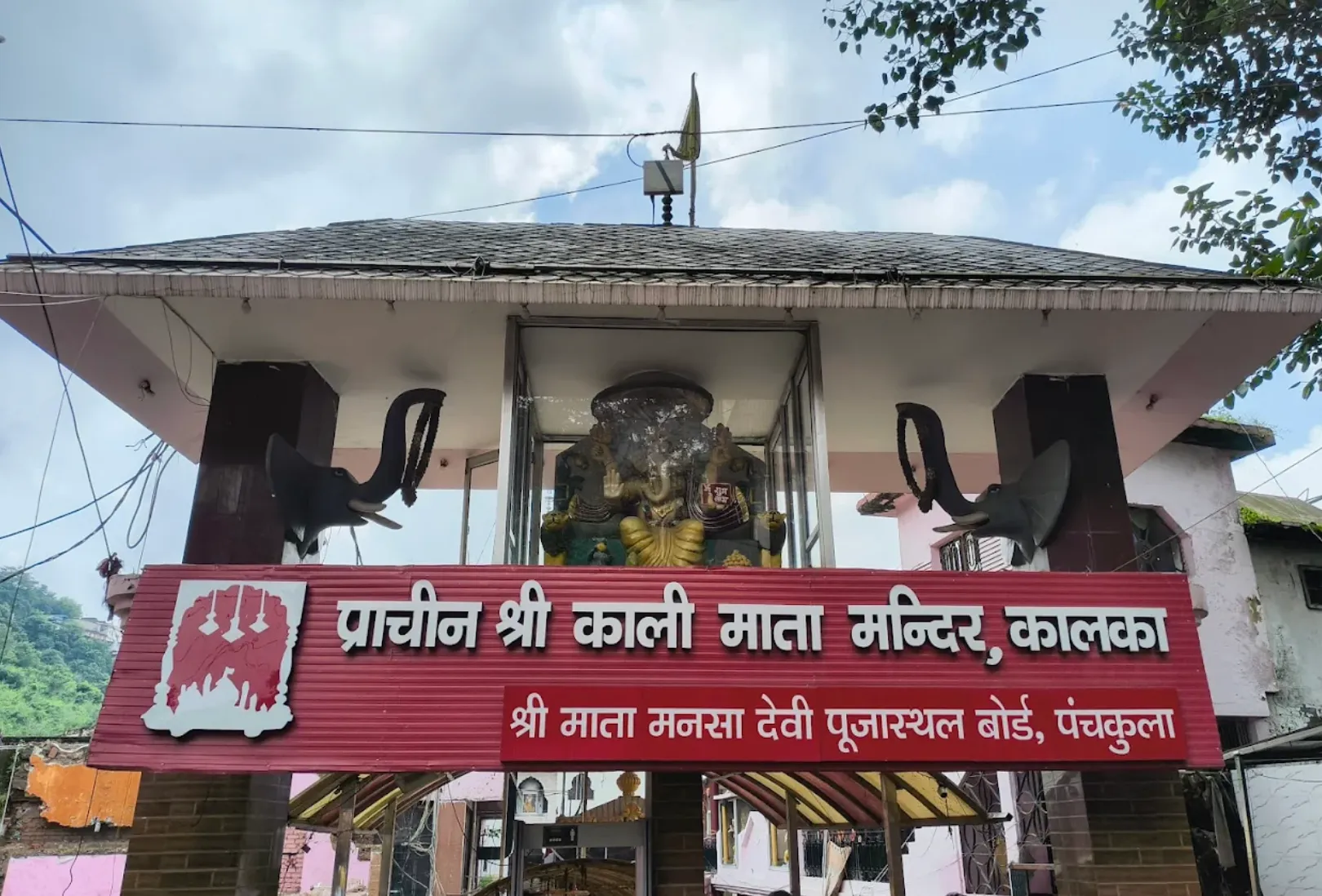
The Kalka Devi Temple stands in the busy Kalka Bazaar. It is located in the Panchkula district of Haryana. The shrine sits right on National Highway 5. This highway was previously known as National Highway 22. It marks the exact border where the Haryana plains meet the Shivalik foothills. The town of Kalka takes its name from this historic temple. The name Kali Mata gradually became Kalka over many years.
This temple occupies a highly unique position as a gateway shrine. Thousands of pilgrims heading into Himachal Pradesh pass directly by it. The historic Kalka Shimla Railway station is just one kilometer away. British engineers built this narrow gauge railway between 1898 and 1903. UNESCO declared it a World Heritage Site in 2008. The Shri Mata Mansa Devi Shrine Board actively manages this temple today.
Location Highlights
The shrine sits right on National Highway 5, marking the exact border where the Haryana plains meet the Shivalik foothills. It is situated merely a kilometer away from the famous Kalka Shimla Railway station.
The Goddess Kali: Cosmic Destroyer and Protective Mother
Goddess Kali is a central figure in the Shakta tradition. She represents the primordial feminine force. Traditional texts describe her as dark and terrifying. Ancient artwork shows her with disordered hair and blood red eyes.
The Devi Mahatmya text details her cosmic origins. A fierce battle occurred between the gods and powerful demons. The blood of these demons spawned new fighters upon touching the earth. Local temple legends connect this specific myth to Kalka. The story suggests Goddess Parvati expanded herself into a massive form.
She drank the falling blood before it could touch the ground. This action successfully ended the endless cycle of demon cloning.
Local believers say she then established her permanent abode at Kalka after achieving this cosmic victory.
The Pandavas at Kalka: A Cross-Epic Connection
The Kalka Devi Temple carries a specific connection to the Mahabharata heroes. Local oral traditions suggest the Pandavas resided nearby during their exile. They supposedly lived at Virat Nagar during their twelfth year of banishment.
The Sacred Cow Legend
During this period they reportedly discovered the sacred temple stone. Local folklore describes a cow named Shyama visiting the spot daily. This cow supposedly bathed the sacred stone with milk without human guidance. Many interpreted this as nature worshipping the goddess directly. According to local belief the Pandavas built the first formal temple structure here.
Unique Architecture: The Twelve-Sided Central Chamber
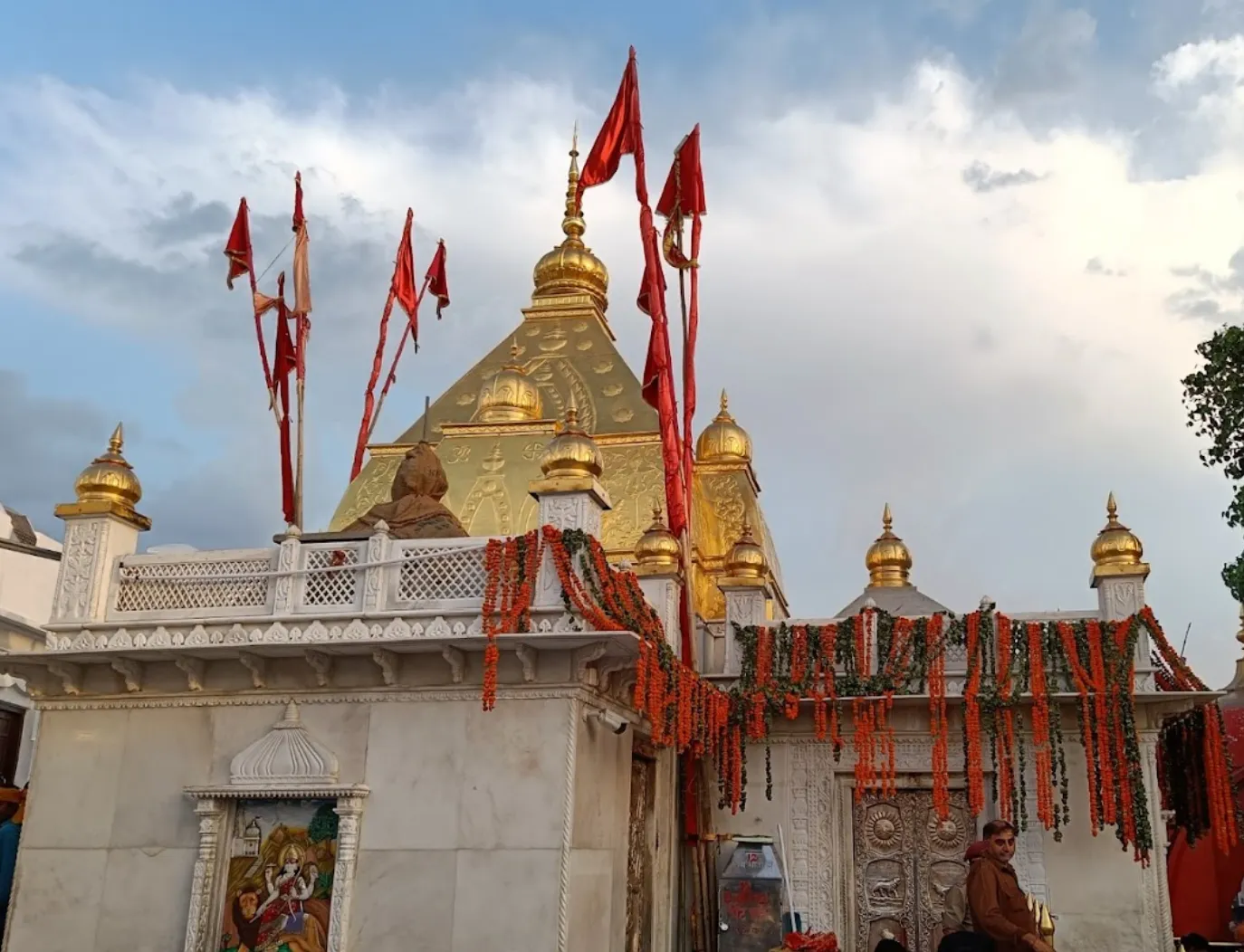
The Kalka Devi Temple features a highly unusual architectural floor plan. The central chamber housing the goddess is exactly twelve sided. It measures roughly 24 feet across its interior space. It features a separate doorway on each of its twelve sides. This specific design creates twelve independent entry and exit points. Very few temples across northern India use this complex layout.
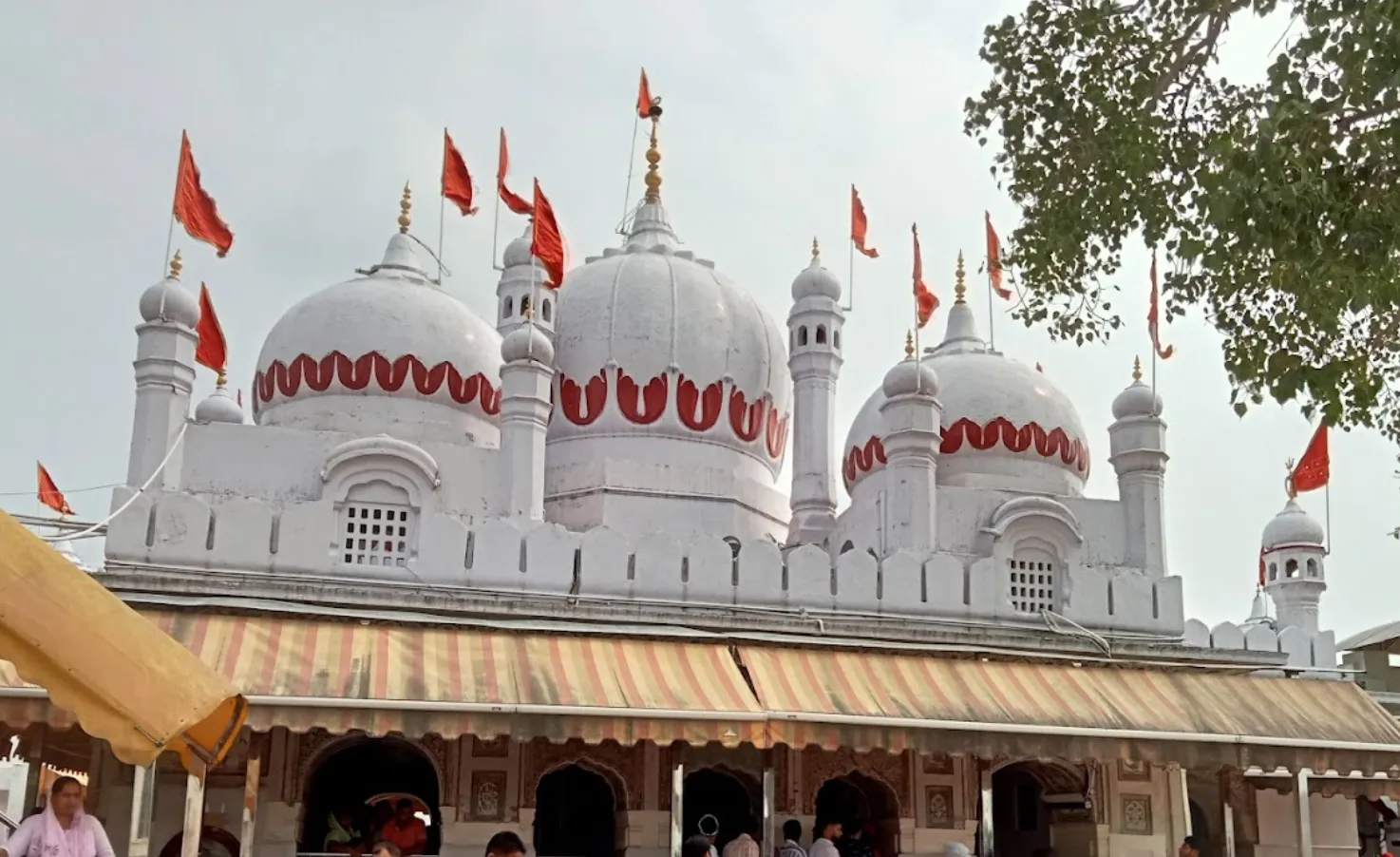
Marble tiles pave the inner chamber completely. An outer verandah surrounds the main room entirely. This covered walkway features 36 beautiful arched openings forming a continuous arcade. Two red sandstone tigers stand guard on a marble pedestal inside. Builders used traditional brick masonry finished with white plaster and marble. A tall pyramidal tower makes the temple visible from the main highway. Some scholars believe the twelve doorways connect to the twelve solar months.
The Self-Manifested Pindi: Svayambhu Manifestation
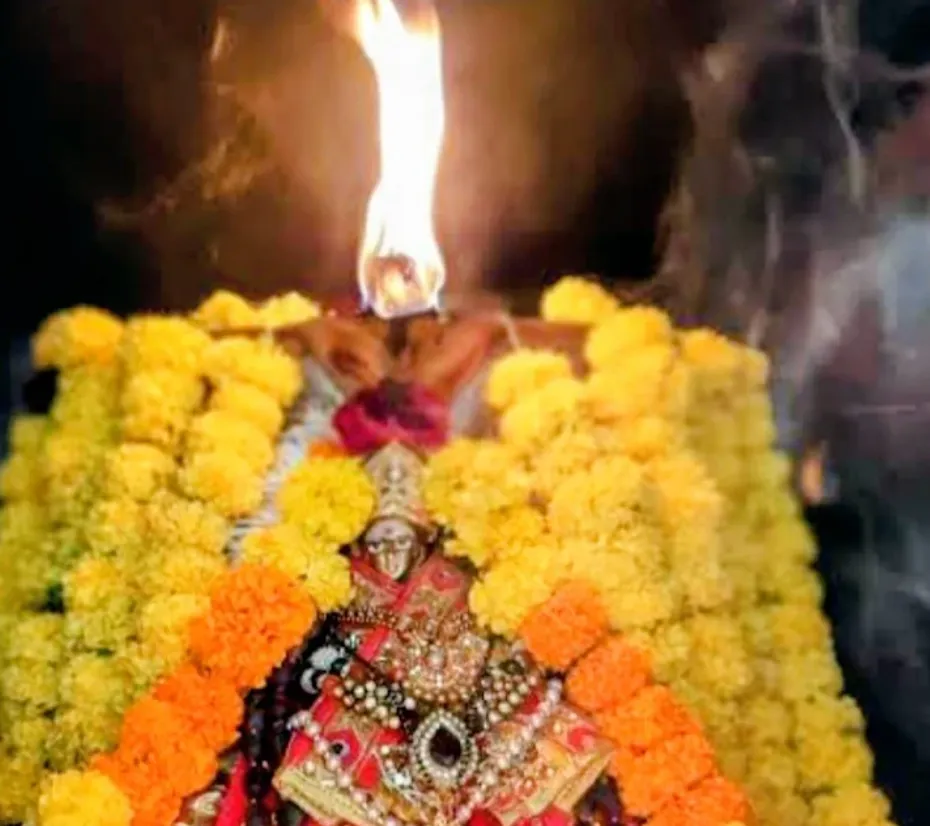
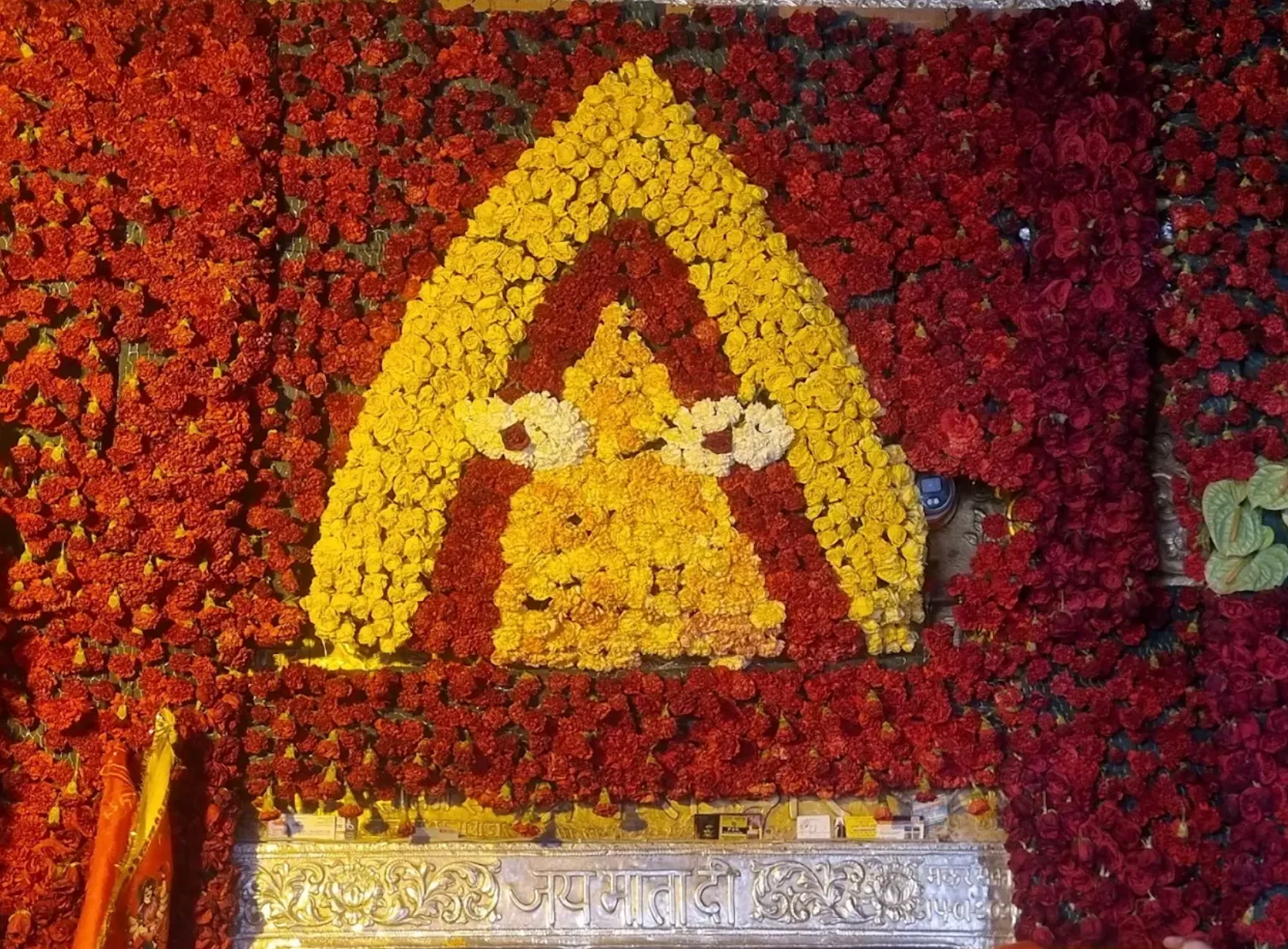
Devotees worship the image of goddess Kalka as a Svayambhu manifestation. This means they believe the sacred stone emerged spontaneously from the earth. It represents the highest spiritual status a divine image can hold. Human hands did not carve or sculpt this central stone. Very few shrines claim this direct physical expression of divine presence. This specific designation places Kalka Devi alongside other ancient mountain shrines.
Connection to the Mansa Devi Shrine System
The Shri Mata Mansa Devi Shrine Board manages the Kalka temple complex. This links it directly to the regional network of major Shakti shrines. This institutional connection creates a unified pilgrimage ecosystem around the region.
Many devoted pilgrims combine visits to three specific regional temples. They visit Kalka Devi along with Mansa Devi and Chandi Mandir. They often complete this triangular sacred circuit in a single day.
Gateway Role in Pilgrimage Geography
This temple serves as the ultimate gateway for mountain bound pilgrims. Seeking blessings here before entering the high mountains is a deep tradition. Pilgrims heading toward Vaishno Devi or Shimla often stop here first. Devotees view Kalka Devi as the final plains territory blessing.
The nearby railway station strongly reinforces this historic gateway symbolism. The famous toy train has carried millions of travelers for over 120 years. Every mountain journey begins in the shadow of the Kali Mata Temple.
Festivals and Special Days
Navratri Festivals
The temple celebrates two major Navratri festivals each year. The shrine sits right at the border of Haryana and Himachal Pradesh. Massive crowds from both states gather here during these nine sacred days.
Saturday Worship
Many followers consider Saturdays especially auspicious for worshipping Goddess Kali. The Kalka temple sees its largest weekly crowds on this specific day.
Daily Rituals
Priests perform structured aarti rituals every morning and evening. The morning service traditionally involves bathing the sacred stone with fresh milk.
Plan Your Complete Himachal Devi Darshan
Embark on the ultimate spiritual journey across the majestic Himalayas. Connecting the powerful Shakti Peethas—including Brajeshwari, Jwala Ji, Chintpurni, and Chamunda Devi—requires careful route planning through mountainous terrain. Ensure a seamless, deeply spiritual pilgrimage for you and your family by organizing your temple circuit with regional experts.
Explore Devi Darshan RoutesPlanning Your Mountain Pilgrimage With Palampur Taxi Service
Visiting the Kalka Devi Temple often marks the start of a longer mountain journey. Many pilgrims travel from Kalka toward major shrines deeper in Himachal Pradesh. Relying entirely on public transport or the toy train takes careful scheduling. Booking a local cab ensures a much smoother and faster pilgrimage experience.
Palampur Taxi Service provides excellent options for devotees traveling into the mountains. Their experienced drivers handle the steep highway curves with great care. A dedicated taxi lets you stop safely at hillside viewpoints along the route. It also helps families manage their luggage easily between different temple towns. Palampur Taxi Service ensures you begin your Himalayan journey with complete peace of mind.
How to Reach Kalka Devi Temple
By Air
The Shaheed Bhagat Singh International Airport in Chandigarh is the closest option. It is located approximately 40 kilometers away from the temple town.
By Rail
The Kalka Railway Station is a major broad gauge junction. It is located just one kilometer from the temple complex. It connects easily to Delhi and Howrah. The famous narrow gauge toy train to Shimla also departs from here.
By Road (Taxi/Bus)
National Highway 5 passes directly through the center of Kalka town. Regular state transport buses connect Kalka to Chandigarh and Shimla easily. The road journey from Chandigarh usually takes about one hour.
Visitor Information
- Temple Timings: 5:00 AM to 10:00 PM during summer months. 6:00 AM to 9:00 PM during winter months.
- Entry Fee: There is no entry ticket required for regular darshan.
- Nearby Attractions: The historic Pinjore Gardens are roughly five kilometers away. The Bhima Devi Temple Museum is also located nearby.
- Dress Code: Visitors must wear modest clothing. Everyone must cover their heads before entering the temple complex.
- Photography: Taking photos is strictly banned inside the main twelve sided sanctum.
Frequently Asked Questions
Is Kalka located in Himachal Pradesh or Haryana?
Kalka is located in the Panchkula district of Haryana. The adjacent industrial town of Parwanoo sits right across the border in Himachal Pradesh. The Kalka Devi Temple itself belongs entirely to Haryana.
What is the connection between the temple and the local railway?
The Kalka Shimla Railway begins its journey just one kilometer from the temple. British engineers built this UNESCO World Heritage railway in 1903. The town and the historic station both take their names from the local goddess.
What makes the temple architecture completely unique?
The inner sanctum features a highly unusual twelve sided floor plan. It includes exactly twelve doors serving as separate entry and exit points. Many scholars believe this design connects to the twelve months of the solar calendar.
What are the opening and closing timings for the temple?
The temple typically opens at 5:00 AM and closes at 10:00 PM during summer. Winter timings are slightly shorter running from 6:00 AM to 9:00 PM.
Can tourists easily visit Pinjore Gardens from the temple?
Yes. The famous Pinjore Gardens are located just five kilometers away. Most visitors easily combine a temple visit with a historic garden tour on the same day.
Is there a specific day considered best for visiting?
Many devotees consider Saturdays highly auspicious for visiting any Kali temple. The Navratri festival days offer the most vibrant spiritual experience but draw massive regional crowds.