Jwala Ji Temple, Jwalamukhi: The Sacred Shrine of Nine Eternal Flames
Quick Summary
- Main Deity: Nine Eternal Flames (Navadurga)
- Temple Location: Jwalamukhi, Kangra, Himachal Pradesh (610m altitude)
- Key Features: No stone idol; natural gas flames emerging directly from rock
- Sacred Origin: One of 51 Shakti Peethas (where the tongue of Goddess Sati fell)
- Historical Highlight: Famous for Emperor Akbar’s offering of a gold canopy
Table of Contents
Overview: The Temple Without an Idol
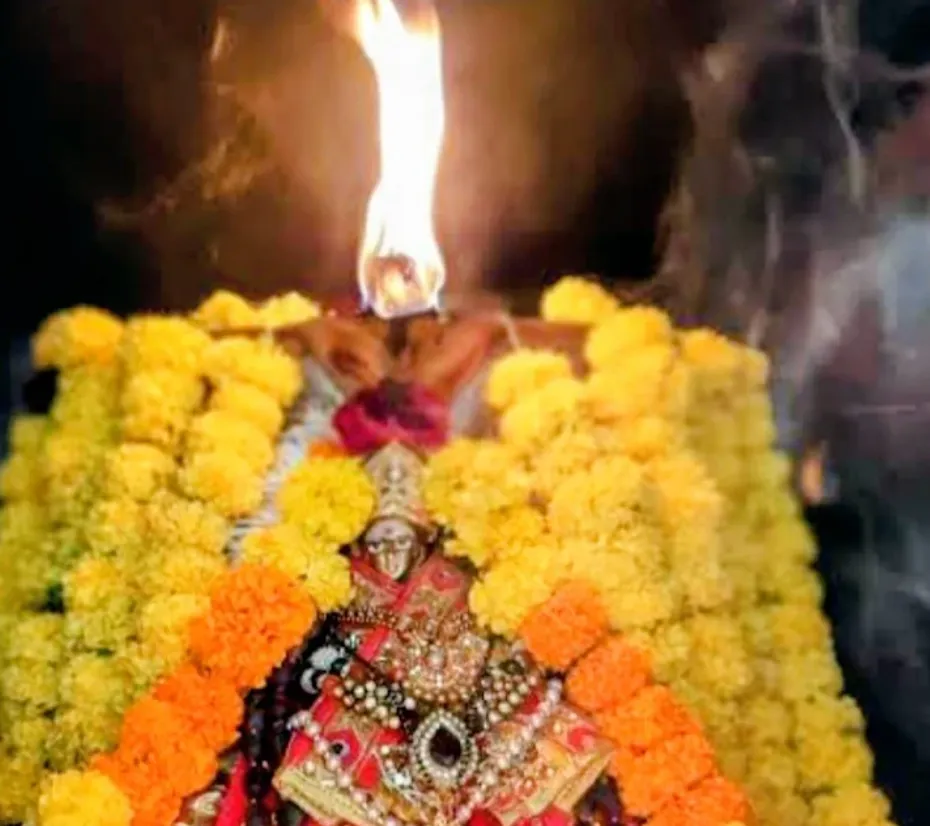
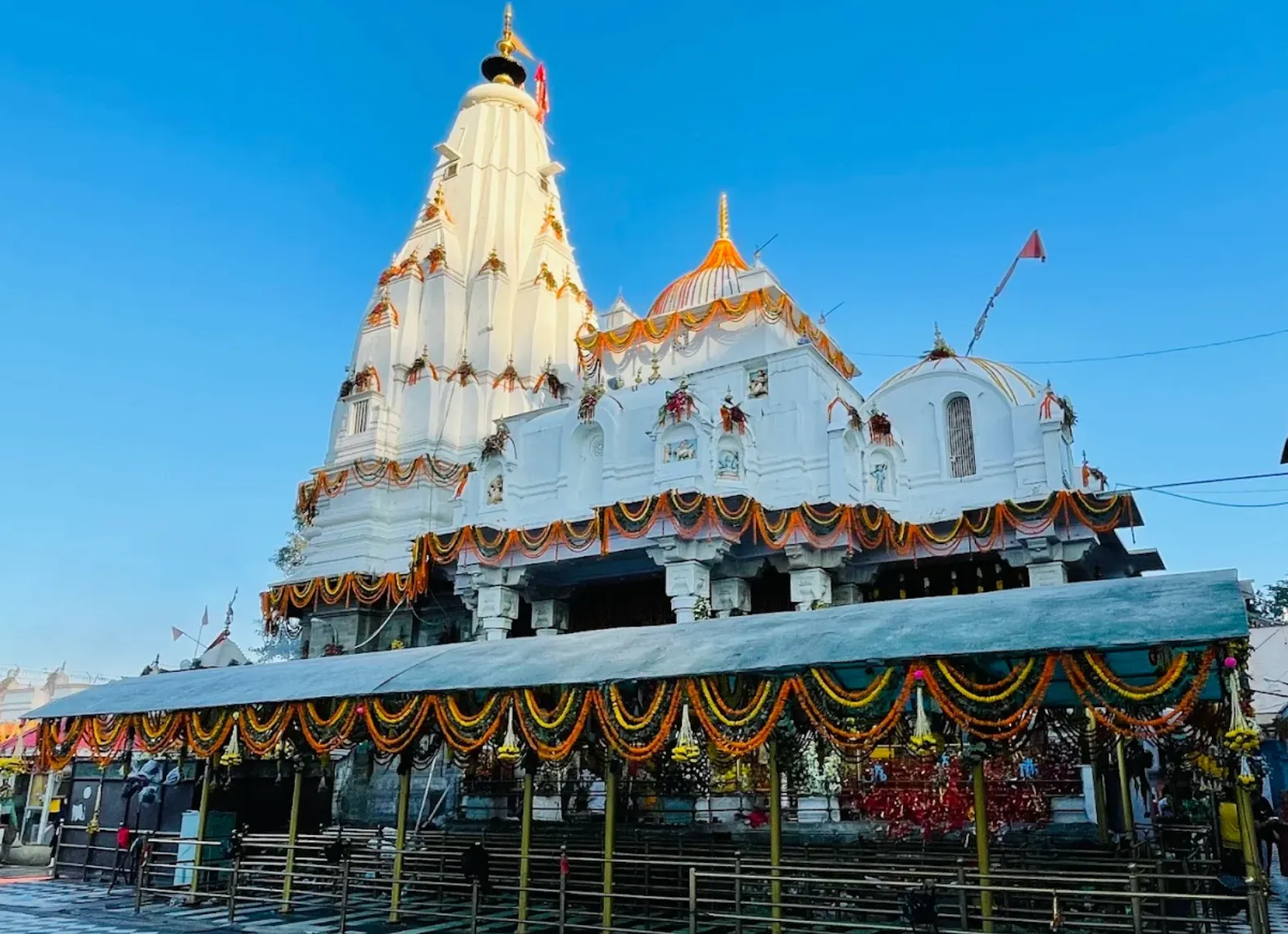
The Jwala Ji Temple is located in Jwalamukhi town. This sits in the Kangra district of Himachal Pradesh. This shrine is completely unlike any other in India. There is no stone idol here. There is no sculpted image of the goddess. Instead, the goddess manifests as nine eternal flames. These flames emerge directly from cracks in the earth. Natural gas seeping through the rock feeds them. These flames have burned continuously for centuries. Science explains this geological phenomenon clearly. However, its spiritual impact remains deeply significant for visitors.
It is one of the 51 sacred Shakti Peethas in India. Many devotees believe the tongue of Goddess Sati fell here. They worship Shakti here as living fire.
Location Highlights
The temple is located roughly 55 kilometers south of Dharamshala. It sits in the lower Kangra Valley. The elevation is about 610 meters above sea level.
The Geological Reality Behind the Sacred Flames
The eternal flames are a documented natural gas phenomenon. Combustible gases seep upward through the sedimentary rock. These gases ignite upon contact with the air. They have been burning at this site for an undetermined period. Geologists have studied the flames over the years. They confirm their natural origin. They also note that this continuous combustion is highly unusual. The exact geological conditions maintaining these fires are quite rare.
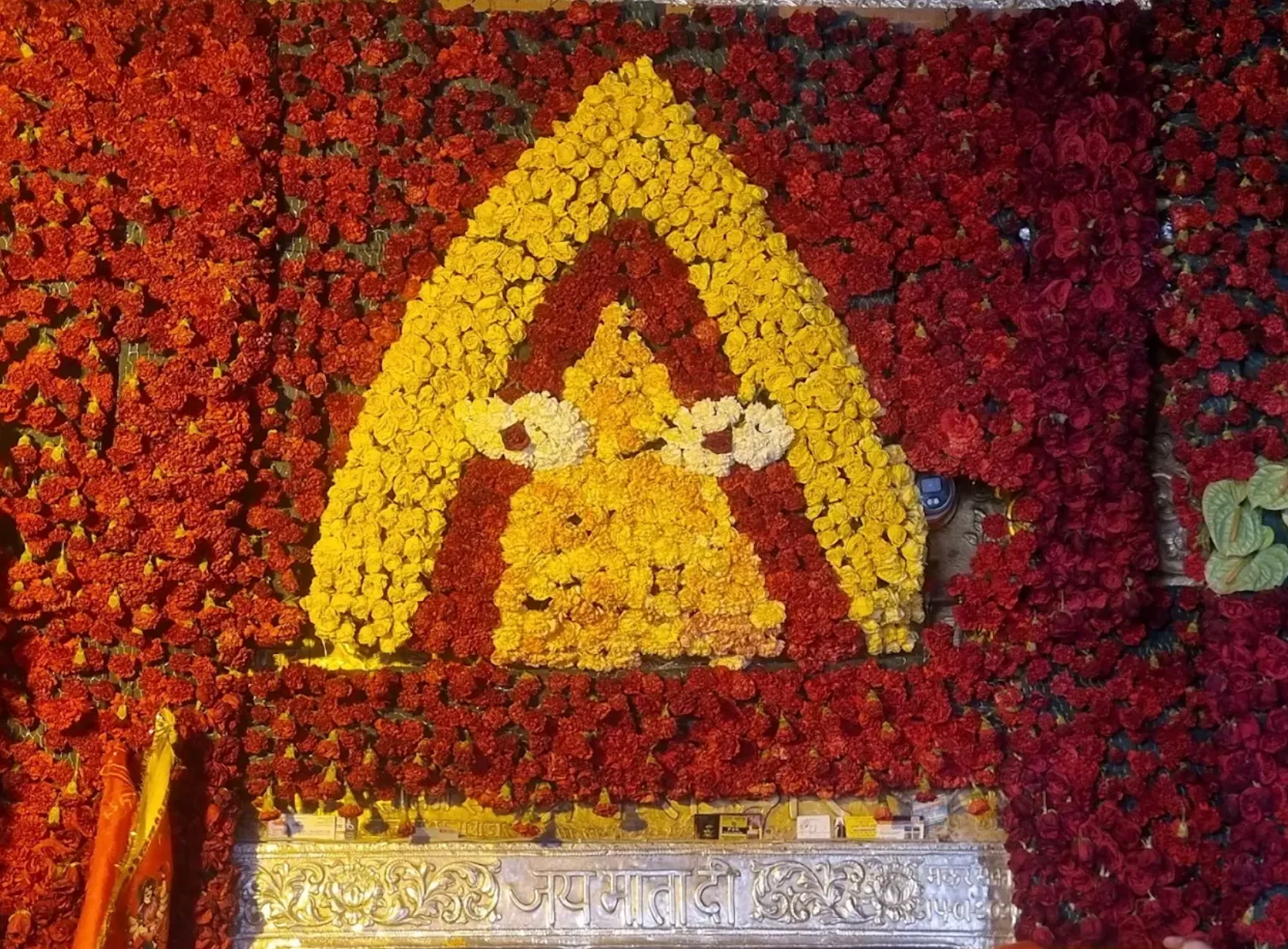
The central flame burns inside a shallow pit. This pit sits inside the main temple sanctum. The pit is lined with beautifully carved silver plating. The nine individual flames represent nine specific goddesses. These include Mahakali, Annapurna, Chandi, Hinglaj, Vidhya, Basni, Mahalakshmi, Saraswati, and Ambika. Each flame burns with a slightly different color and intensity. The central blue flame is considered the most sacred. Devotees believe this blue flame represents the goddess in her purest form.
A stream of water flows inside the temple premises today. Local legends say Emperor Akbar brought this water. He reportedly tried to douse the flames with it. The water drips into a small tank within the complex. Many see this as a physical reminder of his failed attempt.
Mythological Foundation: Sati and Jalandhara
Two distinct mythological traditions explain the sacred flames.
The Shakti Peetha Tradition
The primary narrative follows the Sati myth. Lord Vishnu used his weapon to sever the body of Sati. He did this to stop the destructive cosmic dance of Lord Shiva. According to tradition, the tongue of Sati fell at Jwalamukhi. The tongue is the instrument of speech and cosmic truth. The flames represent the eternal speaking power of the divine mother.
The Jalandhara Legend
A separate local tradition involves the demon Jalandhara. Lord Shiva killed this massive demon in a fierce battle. Local beliefs suggest his giant body extended beneath the earth. It supposedly stretched from Kangra all the way to Multan. According to this oral tradition, the flames emerge from his buried mouth. The head of Jalandhara is associated with the nearby Kangra Fort area.
How Akbar Saw Gold Turn to Copper
The most famous historical legend here involves the Mughal Emperor Akbar. He heard stories of flames that burned without any fuel. He also heard they resisted all attempts to extinguish them. The emperor visited the temple to test this himself.
Legend states he tried to douse the sacred flames. He reportedly built a water channel to flood the fire pit. Later, he placed thick iron plates over the cracks. In both cases, the flames burned through and reappeared.
Overwhelmed by this, Akbar offered a solid gold canopy to the goddess. He meant this as an acknowledgment of her divine power.
According to local belief, the goddess declined his offering. The legend says he made the offering with pride instead of devotion. The gold canopy supposedly transformed into a metal of unknown composition. This transformed canopy is still displayed at the temple today.
Temple Architecture and Physical Structure
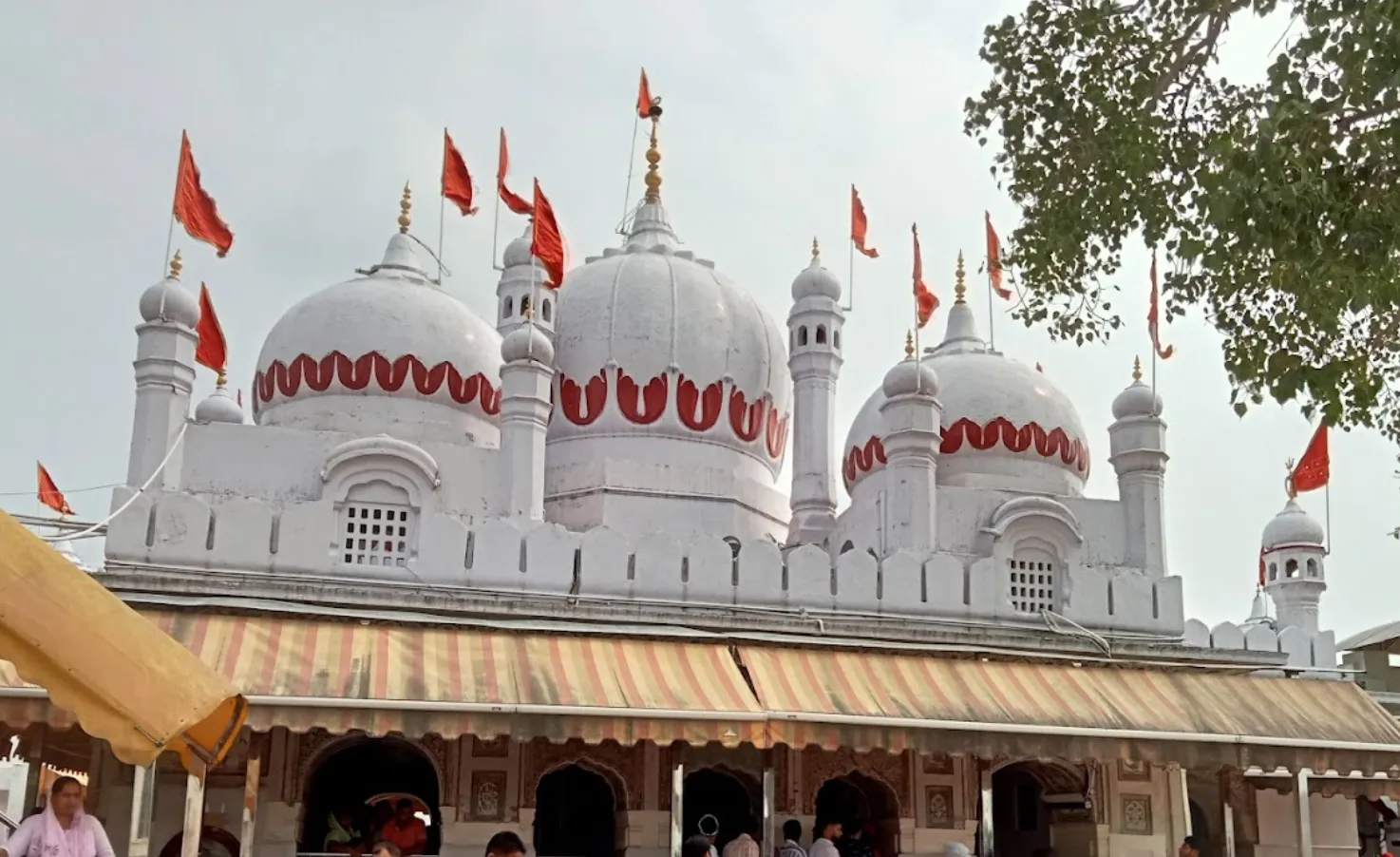
The Jwala Ji Temple features an Indo Sikh architectural style. This reflects the strong patronage of early Sikh rulers. They contributed heavily to the physical form of the shrine.
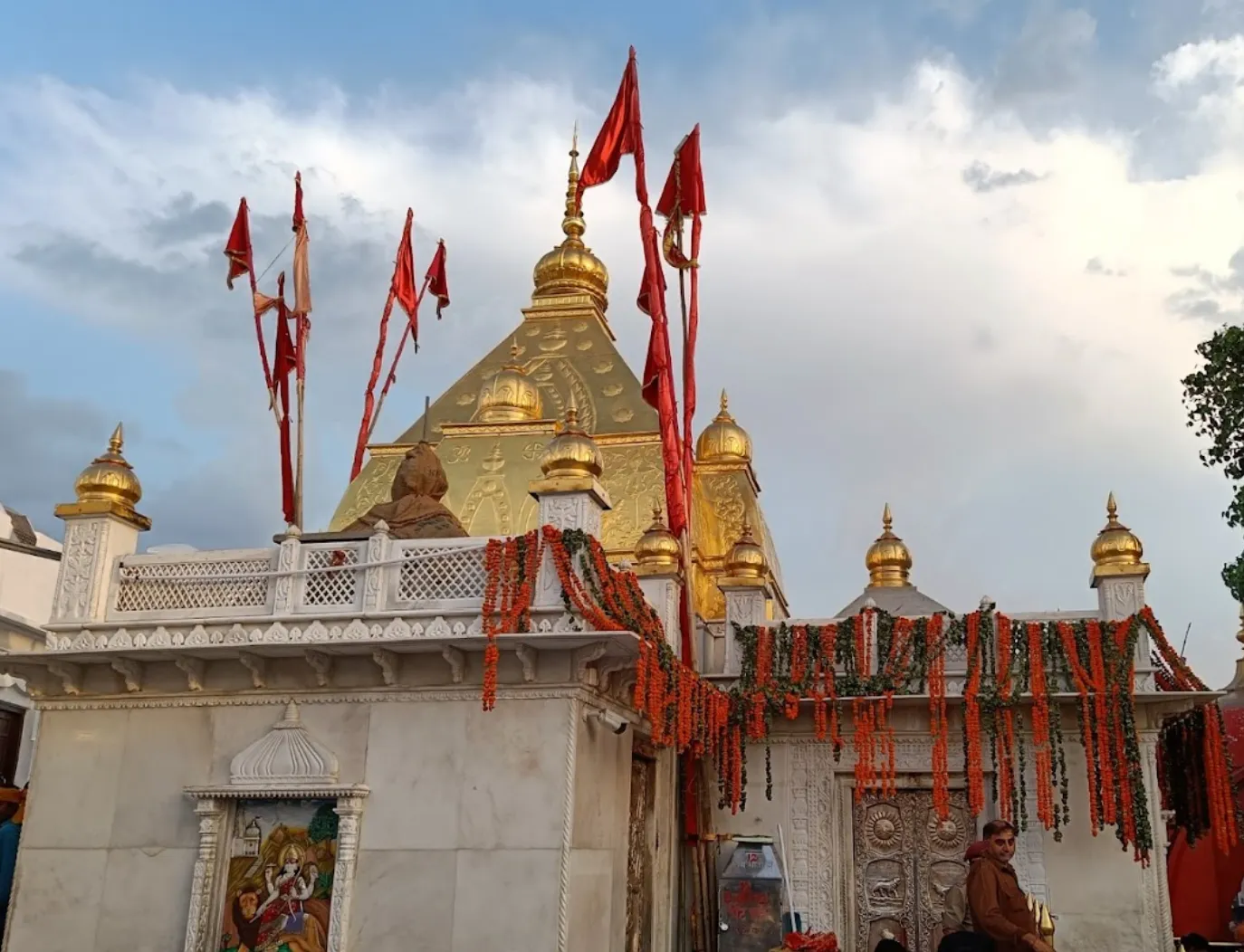
Maharaja Ranjit Singh donated the glowing gold dome in 1815. Historical accounts mention he shared his treasury funds among major shrines. He gave significant portions to Amritsar, Kashi, and Jwalamukhi. His son, Maharaja Kharak Singh, donated the silver folding doors.
The main structure features a square central hall. A small viewing pit sits inside this space. A walking path surrounds the pit for devotees. A large brass bell hangs at the temple entrance. Many believe the King of Nepal gifted this bell. The complex also includes several smaller shrines built in white marble.
The Nine Flames and Their Significance
The ritual identification of the flames is highly specific. Each of the nine flames represents a distinct divine power. Collectively, these nine flames represent the Navadurga. These are the nine forms worshipped during the Navratri festival. This temple permanently embodies these forms in living fire.
The Nine Divine Forms
- Mahakali: Represents time and deep transformation.
- Annapurna: Represents daily nourishment and sustenance.
- Chandi: Represents fierce protection against evil.
- Hinglaj: Represents primordial feminine energy.
- Vidhya: Represents supreme knowledge and learning.
- Basni: Represents the dwelling and the home.
- Mahalakshmi: Represents abundance and material prosperity.
- Saraswati: Represents eloquence and the fine arts.
- Ambika: Represents the universal form of the Mother.
Daily Rituals and Aarti Schedule
The daily worship follows a very strict sequence. The Mangala Aarti happens just before sunrise. Priests enter the inner sanctum to perform this ritual. The natural gas fumes mix heavily with incense smoke. Priests pour sacred offerings into and around the pit. They do this carefully without extinguishing the delicate flames. This requires highly trained and steady hands.
The main daily aartis happen at specific times. The morning aarti is around 5:00 AM. The afternoon aarti happens at 12:00 PM. The evening aarti takes place at 7:00 PM. Priests perform special night aartis during the Navratri festivals.
Fire worship in the outdoor areas continues all day. Devotees offer ghee and flowers directly into the outdoor fire pits during open darshan.
Festivals at Jwala Ji Temple
Navratri Festivals
The temple celebrates two major Navratri festivals. The autumn Navratri happens in September or October. A massive fair takes place around the temple during this time. The spring Navratri is also celebrated with highly elaborate rituals.
Annual Monsoon Fair
A significant local fair happens in July or August. This coincides with regional religious observances during the heavy monsoon season.
Makar Sankranti
The temple celebrates this winter festival in January. Priests perform special rituals to mark the important solar transition.
Plan Your Complete Himachal Devi Darshan
Embark on the ultimate spiritual journey across the majestic Himalayas. Connecting the powerful Shakti Peethas—including Brajeshwari, Jwala Ji, Chintpurni, and Chamunda Devi—requires careful route planning through mountainous terrain. Ensure a seamless, deeply spiritual pilgrimage for you and your family by organizing your temple circuit with regional experts.
Explore Devi Darshan RoutesPlanning Your Temple Visit With Palampur Taxi Service
The Jwalamukhi temple is part of a larger pilgrimage circuit. Many devotees visit multiple Devi temples in a single trip. This sacred route connects several highly revered shrines in Kangra.
Navigating the mountain roads between these shrines takes careful planning. Relying on local buses can consume a lot of travel time. Using a local transport provider makes your spiritual journey much smoother. Palampur Taxi Service offers great options for visiting pilgrims. Their experienced drivers know the exact routes to Jwala Ji Temple.
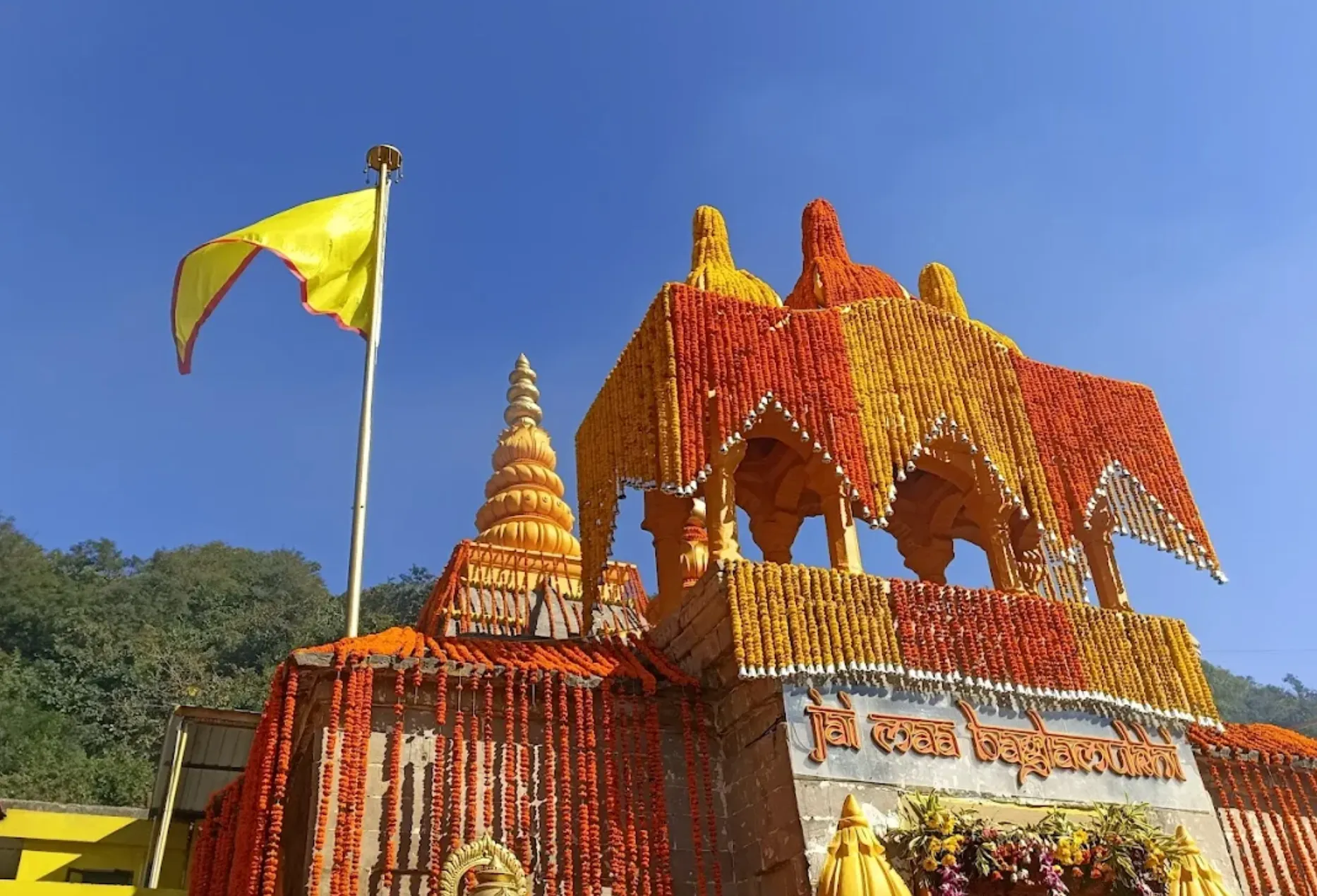
They can help you plan a full day temple circuit. You can easily visit Baglamukhi Temple and Kangra Devi in one day. A dedicated taxi allows you to reach the temple for specific aarti timings. This travel convenience is highly valuable for families traveling with elders. It takes the stress out of mountain driving.
How to Reach Jwalamukhi Temple
By Air
The Kangra Airport in Gaggal is the nearest flight option. It is located roughly 45 kilometers from the temple complex.
By Rail
The nearest narrow gauge station is Jwalamukhi Road. It sits about 20 kilometers from the actual temple. Pathankot Junction is the nearest major broad gauge railway station. It is approximately 110 kilometers away from the shrine.
By Road (Taxi/Bus)
Regular local buses connect Jwalamukhi to Kangra and Dharamshala. The road journey from Kangra takes about one hour. The driving route winds beautifully through the Shivalik mountain foothills.
Visitor Information
- Temple Timings: 5:00 AM to 10:00 PM during summer. 6:00 AM to 9:00 PM during winter.
- Entry Fee: There is no entry ticket required for regular darshan.
- Dress Code: Visitors must wear modest attire. Everyone must remove their footwear at the entrance gate.
- Photography: Taking photos is strictly banned inside the main inner sanctum near the flames.
- Parking: Municipal parking areas sit a short walk from the main temple gate.
Frequently Asked Questions
Are the flames at Jwalamukhi Temple real fire?
Yes. They are genuine flames fed by natural combustible gas. This gas emerges directly from rock formations beneath the temple floor.
What does the main blue flame signify?
Devotees consider the central blue flame as the goddess herself. They view it as the purest manifestation of the divine mother.
Can the temple flames be extinguished by rain?
No. The gases seep continuously from deep geological formations below. They continue to burn regardless of heavy rain or surface interference.
What is the story behind the gold canopy on display?
Legend says Emperor Akbar offered a gold canopy to the goddess. Local traditions claim it mysteriously changed into an unknown metal upon offering.
What are the opening and closing timings of Jwala Ji Temple?
The temple usually opens at 5:00 AM and closes at 10:00 PM during summer. Winter timings are typically 6:00 AM to 9:00 PM.
Is it safe to drive to Jwalamukhi during the monsoon season?
The temple itself remains fully accessible during the rainy season. However, travelers should check local road conditions before driving in the mountains.
How far is Jwala Ji Temple from Dharamshala?
The temple is located approximately 55 kilometers from Dharamshala. A direct taxi drive usually takes about two hours depending on local traffic.