Baglamukhi Devi Temple, Bankhandi: The Goddess of Stambhana
Quick Summary
- Main Deity: Goddess Baglamukhi (The Goddess of Stambhana)
- Temple Location: Bankhandi, Kangra District, Himachal Pradesh
- Key Feature: Vibrant yellow temple complex, representing the goddess’s connection to turmeric
- Spiritual Significance: Eighth of the ten Mahavidyas; a recognized Siddha Peetha
- Pilgrim Highlights: Mirchi Havan (Red Chili Fire Offering) for protection and victory
Table of Contents
Temple Overview and Sacred Significance
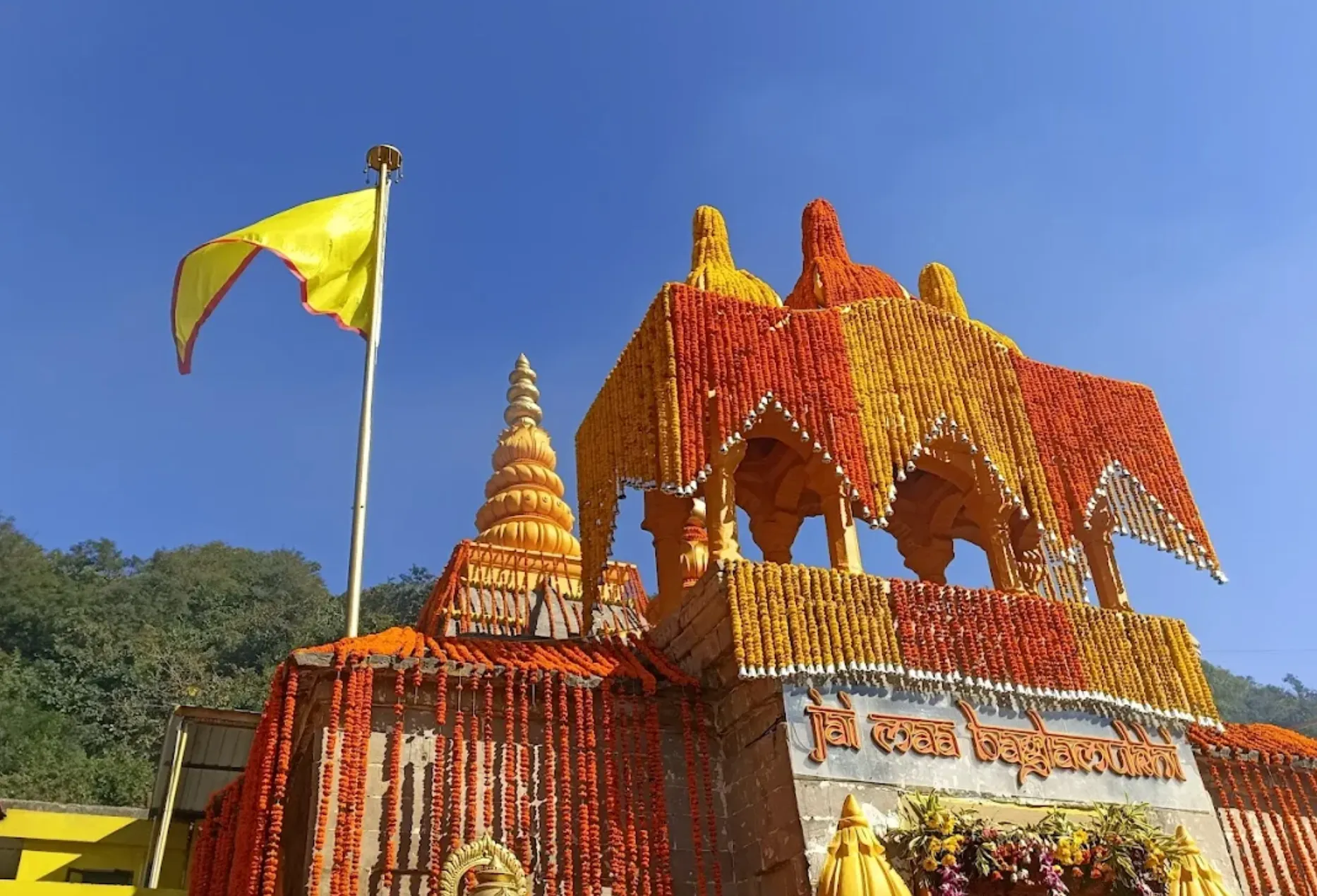
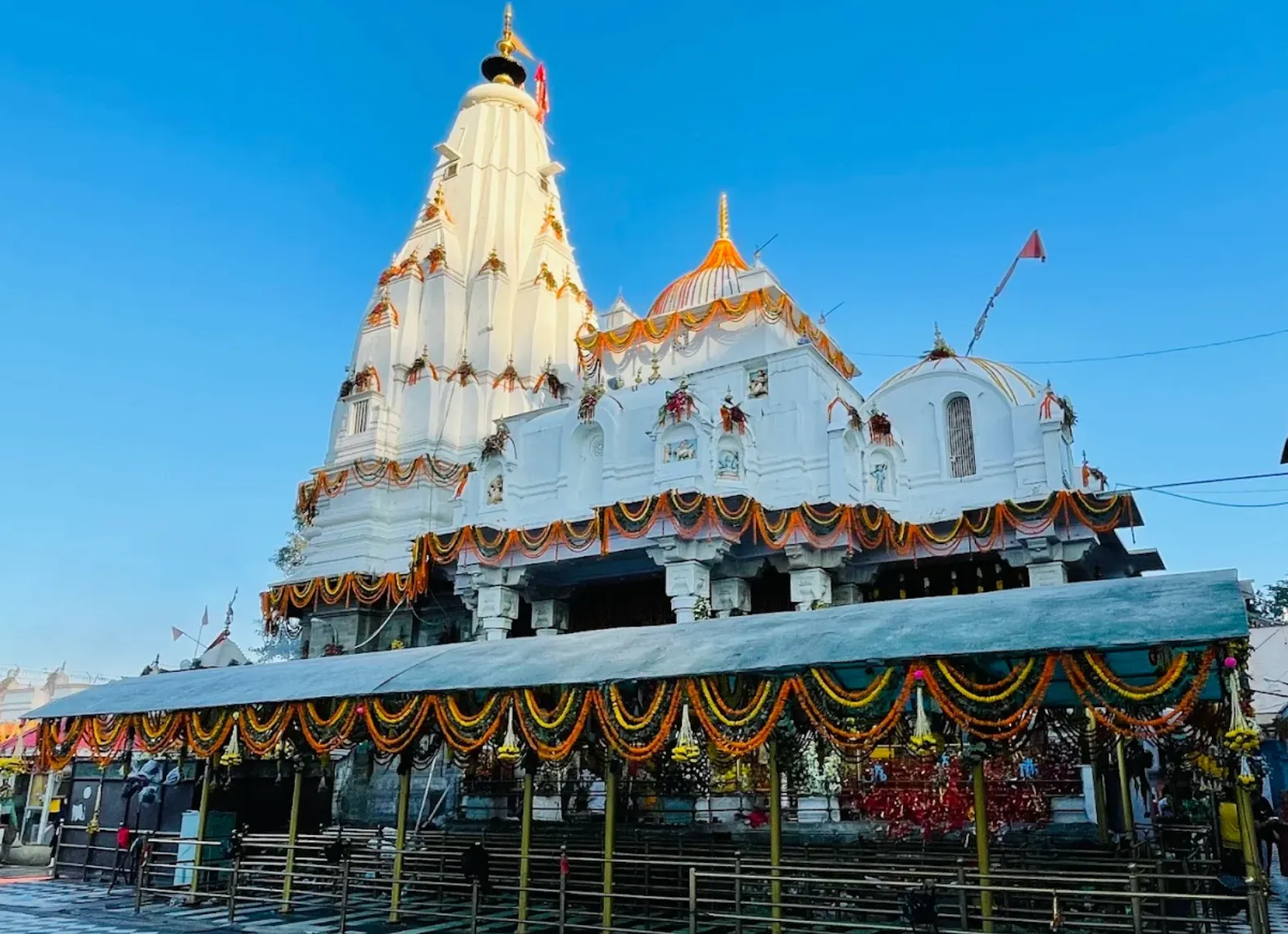
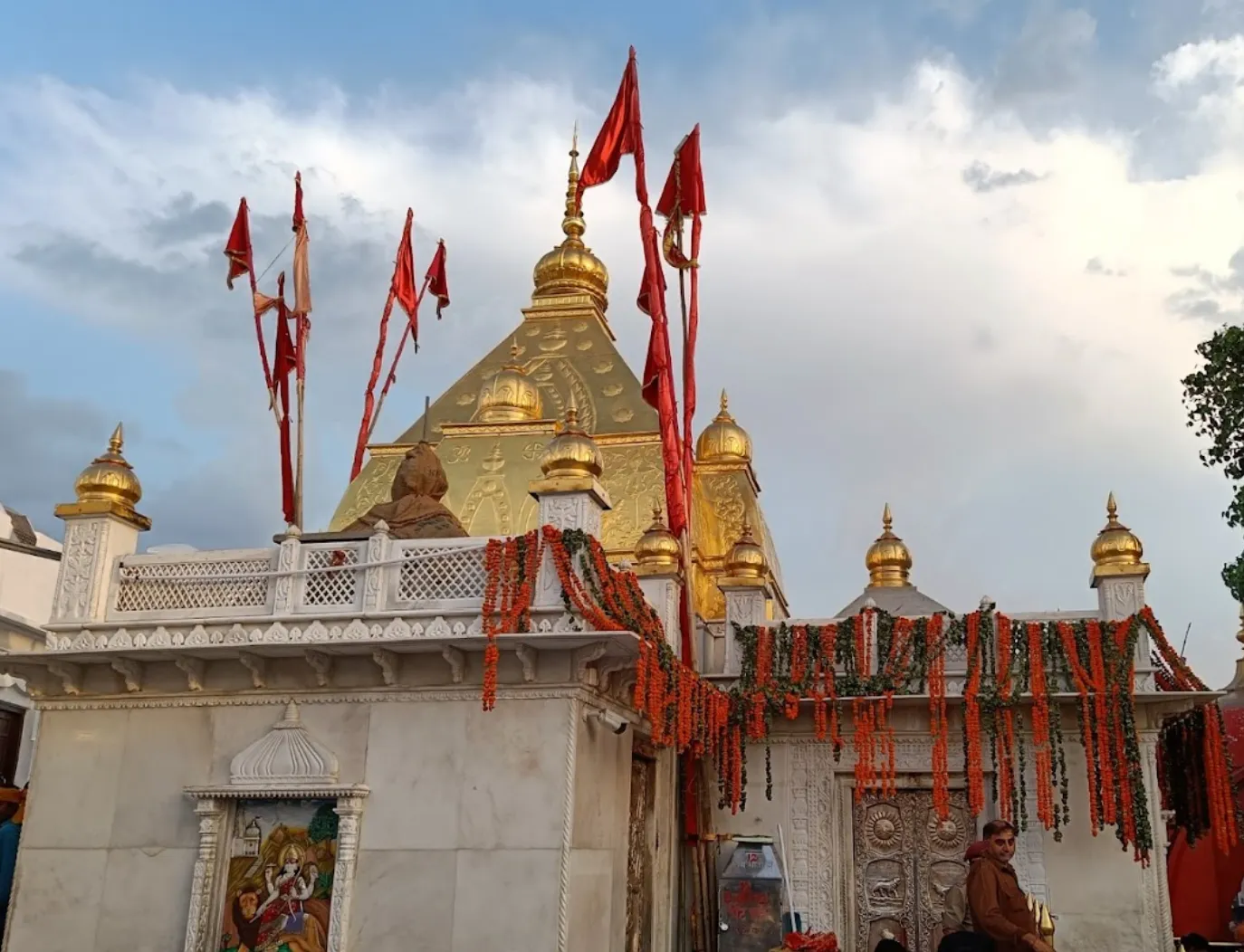
The Baglamukhi Devi Temple sits at Bankhandi in the Kangra district of Himachal Pradesh. It is located roughly 30 kilometers from Kangra town toward Dehra. Many scholars and devotees consider it one of the most powerful Tantric shrines in northern India. The temple honors Goddess Baglamukhi. She is the eighth of the ten Mahavidyas in Tantric Shaktism. Believers classify this site as a Siddha Peetha. This means devotees believe spiritual practices here produce direct results.
The temple rests on a hillside surrounded by the beautiful Dhauladhar mountains. A dense forest surrounds the area and enhances the peaceful atmosphere. The temple trust paints the entire complex in bright yellow. This color is deeply sacred to Baglamukhi worship. This makes the shrine visually unmistakable from the main approach road.
This is one of only a few major temples dedicated to this goddess in India. Other prominent shrines exist in Datia and Nalkheda in Madhya Pradesh. The Bankhandi temple connects directly to ancient epic traditions and Tantric texts.
Who Is Baglamukhi: The Goddess of Stambhana
The name Baglamukhi comes from two Sanskrit words. The word Bagla is a variant of Valga meaning bridle or restraint. The word mukhi means face. Together the name describes one whose face captures or restrains. Some texts refer to her as the crane faced goddess. The crane symbolizes deceptive stillness before a sudden strike.
Tantric traditions state Baglamukhi represents Stambhana Shakti. This is the cosmic power to paralyze or neutralize any threat. Devotees believe she can stop harmful movement, speech, and action. People approach her specifically for victory in legal disputes. Many seek her protection from hidden enemies. Students pray to her for success in competitive examinations. Believers feel she removes obstacles that seem impossible to overcome.
She silences the capacity to harm by seizing the instrument of attack.
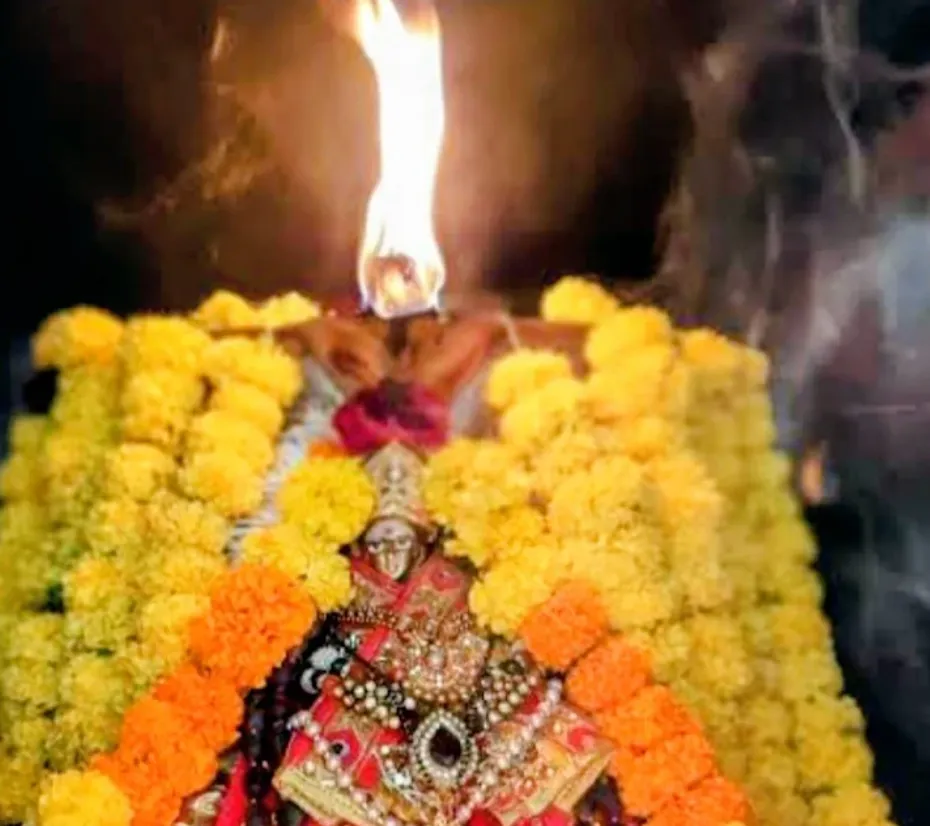
Traditional artwork depicts her seated on a throne wearing yellow clothing. She holds a club in her right hand. Her left hand pulls the tongue of a kneeling demon. This image captures her core power. She silences the capacity to harm by seizing the instrument of attack.
The Mythological Origin: When the Universe Was Threatened
Two main mythological traditions explain her cosmic origin.
The Haridra Sarovar Legend
The Devi Purana describes a catastrophic cosmic storm during the Satya Yuga. This storm threatened to destroy all creation. The gods prayed desperately to the Supreme Goddess. She manifested from a lake of turmeric called the Haridra Sarovar. This lake was in the Saurashtra region of modern Gujarat. She assumed the form of Baglamukhi and stopped the cosmic storm instantly.
The Demon Madanasura Legend
The Svatantra Tantra mentions a demon named Madanasura. He secured a divine boon that made his spoken words become reality. He used this power to cause massive destruction. Gods and humans prayed for relief. Baglamukhi appeared and seized his tongue. She paralyzed his primary weapon of harm and subdued him completely.
The Bankhandi Temple Tradition
Local temple legends suggest the Pandavas established this specific shrine. They reportedly built it during their forest exile in the Dvapara Yuga. Local oral traditions also claim Lord Rama worshipped at this site. They believe Hanuman guided him here to perform a sacred fire ritual for victory.
Why Yellow Is Everywhere at Baglamukhi Temple
The bright yellow color at Bankhandi extends far beyond simple aesthetics. Yellow connects directly to turmeric or Haridra. Traditional legends state the goddess emerged from a turmeric lake. Turmeric acts as a natural purifier and an auspicious Hindu ritual item. It also represents material prosperity.
The Power of Yellow
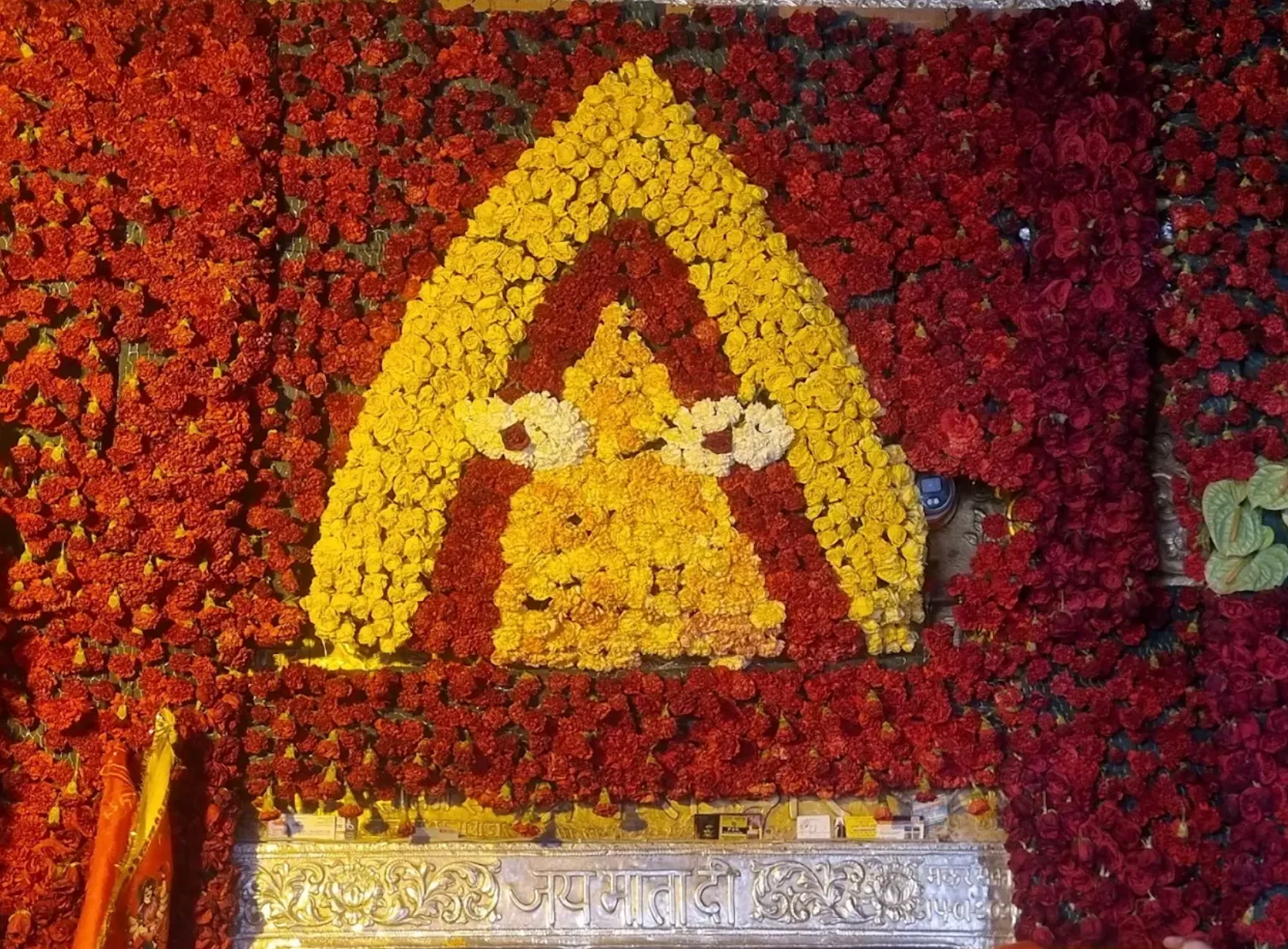
Devotees visiting Bankhandi traditionally wear yellow clothing for worship. The temple distributes yellow gram flour sweets as sacred prasad. Devotees offer yellow flowers to the deity. Even the pinnacles of the temple dome are painted yellow. This strict color coordination reflects the uncompromising Tantric discipline of this shrine.
The Unique Red Chili Havan: Stambhana in Practice
The red chili fire offering is a highly distinctive ritual here. Devotees call this the Mirchi Havan. People seeking protection from enemies often perform this specific ritual. They offer dried red chili peppers into the sacred fire. They do this while chanting specific Baglamukhi mantras.
The Mirchi Havan
The theology behind this ritual is very specific to this goddess. Red chilies carry intense fire and energy within them. Devotees believe offering them invokes fiery energy to neutralize harm. The smoke from burning chilies strongly irritates the eyes and throat. Practitioners endure this smoke as a strict part of their discipline.
Priests perform this havan during broad daylight. However temple traditions suggest post sunset rituals hold special significance. Nighttime Stambhana worship attracts many dedicated Tantric practitioners.
Daily Rituals and Aarti
The temple generally opens around 5:00 AM with the morning Mangala Aarti. It closes for the night at 9:30 PM. The main doors close briefly between 12:00 PM and 12:30 PM.
Daily worship includes structured morning and evening aartis. Temple priests perform continuous havan ceremonies throughout the day. They also conduct special flag hoisting rituals known as Jhanda Rasam.
Priests continuously chant the sacred Baglamukhi Mantra. Tantric traditions view the specific sounds of this mantra as powerful vibrational tools. Devotees believe chanting these sounds brings direct positive effects.
Festivals and Special Observances
Navratri Festivals
The two main Navratri periods are the most important times here. Thousands of devotees visit for specific Tantric rituals during these days.
Ashtami Days
The eighth day of every lunar calendar fortnight is highly auspicious. Priests conduct special fire offerings on these days.
Sundays
Many followers across North India consider Sundays especially sacred for Baglamukhi worship. Visitor numbers usually peak on weekends.
Who Visits Baglamukhi Temple and Why
The devotee population at Bankhandi is quite distinct from other Kangra temples. Many pilgrims arrive seeking general blessings. However the temple largely attracts people facing specific worldly problems.
- Individuals dealing with complex legal disputes and court cases.
- Students preparing for highly competitive government or entrance examinations.
- People seeking safety and protection from malicious individuals.
- Initiated practitioners of Tantric disciplines seeking spiritual advancement.
- Individuals facing major life obstacles that conventional methods cannot resolve.
This focus on concrete outcomes strongly reflects the Tantric character of this unique shrine.
Plan Your Complete Himachal Devi Darshan
Embark on the ultimate spiritual journey across the majestic Himalayas. Connecting the powerful Shakti Peethas—including Brajeshwari, Jwala Ji, Chintpurni, and Chamunda Devi—requires careful route planning through mountainous terrain. Ensure a seamless, deeply spiritual pilgrimage for you and your family by organizing your temple circuit with regional experts.
Explore Devi Darshan RoutesPlanning Your Visit With Palampur Taxi Service
Traveling to the Bankhandi temple requires driving through busy mountain highways. The route from Kangra to Dehra sees heavy daily traffic. Relying on crowded local buses can easily delay your planned worship schedule. Booking a dedicated cab ensures a much smoother pilgrimage experience.
Palampur Taxi Service provides excellent transport options for devotees visiting Bankhandi. Their experienced drivers know the safest and fastest routes across the Kangra district. You can easily combine your Baglamukhi visit with the nearby Chintpurni temple. A private taxi allows you to carry your special yellow offerings comfortably. It also helps you reach the temple exactly on time for the sacred havan rituals.
Reaching Bankhandi Temple
By Air
The Kangra Airport in Gaggal is the closest flight option. It is located roughly 35 to 40 kilometers from the temple complex.
By Rail
The narrow gauge Kangra railway station sits about 30 kilometers away. The nearest major broad gauge option is Pathankot Junction. Pathankot is approximately 90 kilometers from Bankhandi.
By Road (Taxi/Bus)
The temple sits conveniently on the main Kangra to Hamirpur highway route. Regular state buses pass through Bankhandi from Kangra and Dehra. You can easily hire local taxis from the nearby town of Dehra.
Visitor Information
- Temple Timings: 5:00 AM to 9:30 PM. The shrine closes briefly from 12:00 PM to 12:30 PM.
- Entry Fee: There is no entry ticket required for regular darshan.
- Dress Code: Yellow attire is highly recommended but not strictly mandatory. Visitors must wear modest clothing.
- Prasad: The temple offers traditional yellow gram flour sweets.
- Photography: Visitors can take photos in the outer complex. Check with security before photographing near the inner sanctum.
Frequently Asked Questions
Is Baglamukhi Temple appropriate for general devotees?
Yes. Regular devotional worship is open to all visitors. Tantric disciplines practiced by initiated priests do not interfere with general daily darshan.
Why is everything painted yellow at this temple?
Yellow is the sacred color of Goddess Baglamukhi. Traditional texts connect her to the turmeric lake from which she emerged. Devotees believe yellow represents purity and protective energy.
Can regular visitors perform a havan at Bankhandi temple?
Yes. The temple facilitates havan ceremonies for all visiting devotees. You can make arrangements directly through the official temple trust office upon arrival.
What is the Mirchi Havan and why is it performed?
This is a special fire offering using dried red chilies. Devotees perform this havan to seek protection from enemies or legal troubles. Many believe it neutralizes negative energy.
How far is Bankhandi from Kangra town?
The temple is located roughly 30 kilometers from Kangra town. A direct drive usually takes about one hour depending on highway traffic conditions.
Are cameras allowed inside the temple complex?
You can use cameras in the outer courtyard areas. However photography is strictly restricted near the main sanctum and during private havan ceremonies.