Vaishno Devi Temple, Katra: The Sacred Cave at 5,200 Feet
Quick Summary
- Main Deity: Vaishno Devi (Manifested as three natural rock Pindies)
- Temple Location: Trikuta Hills, Katra, Jammu & Kashmir (5,200 ft altitude)
- Pilgrimage Trek: 13-kilometer steep trek from Katra base camp
- Key Features: Original ancient cave with Charan Ganga stream, and modern tunnels for crowd management
- Mandatory Final Stop: Bhairon Nath Temple to complete the Yatra
Table of Contents
Temple Overview
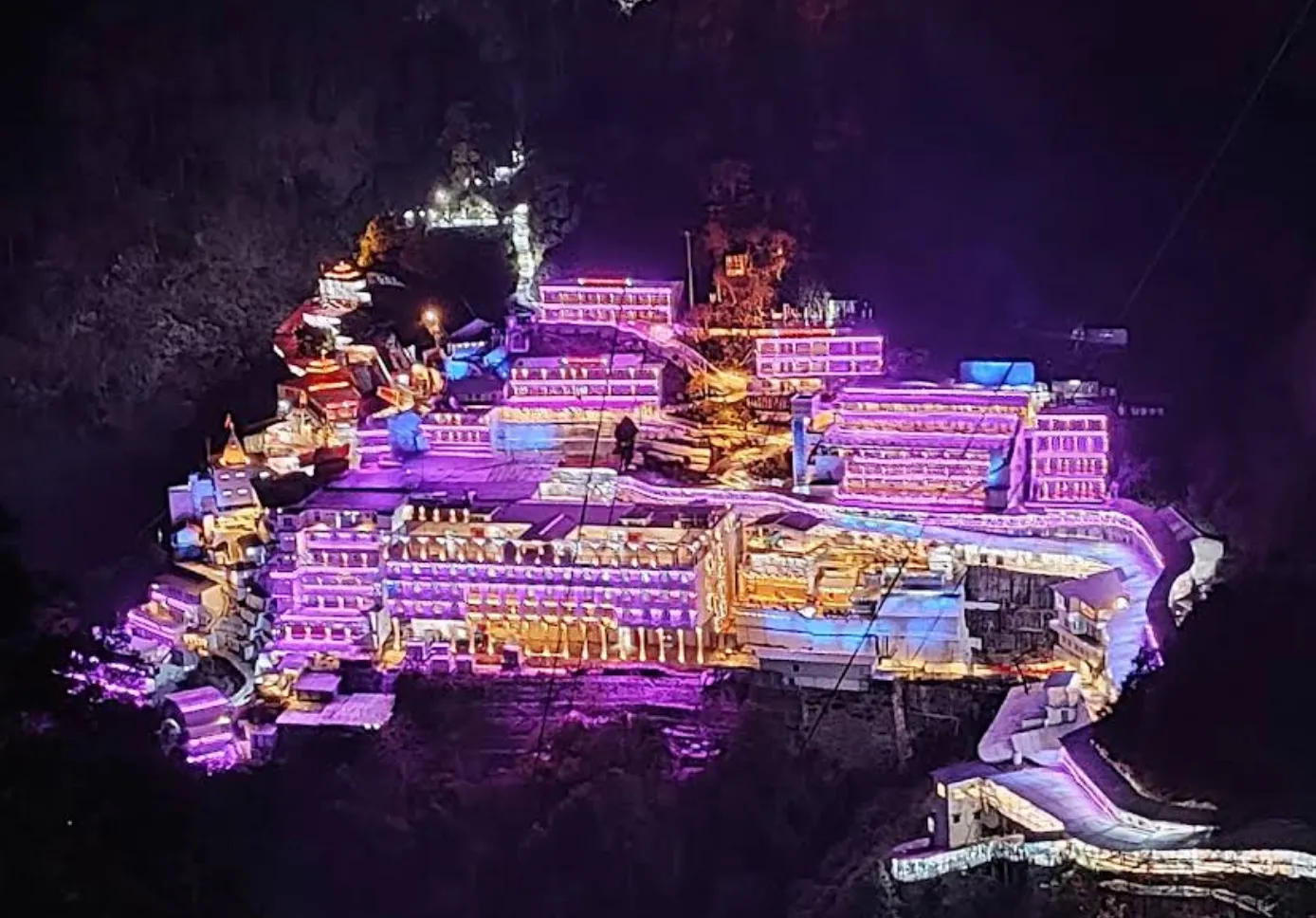
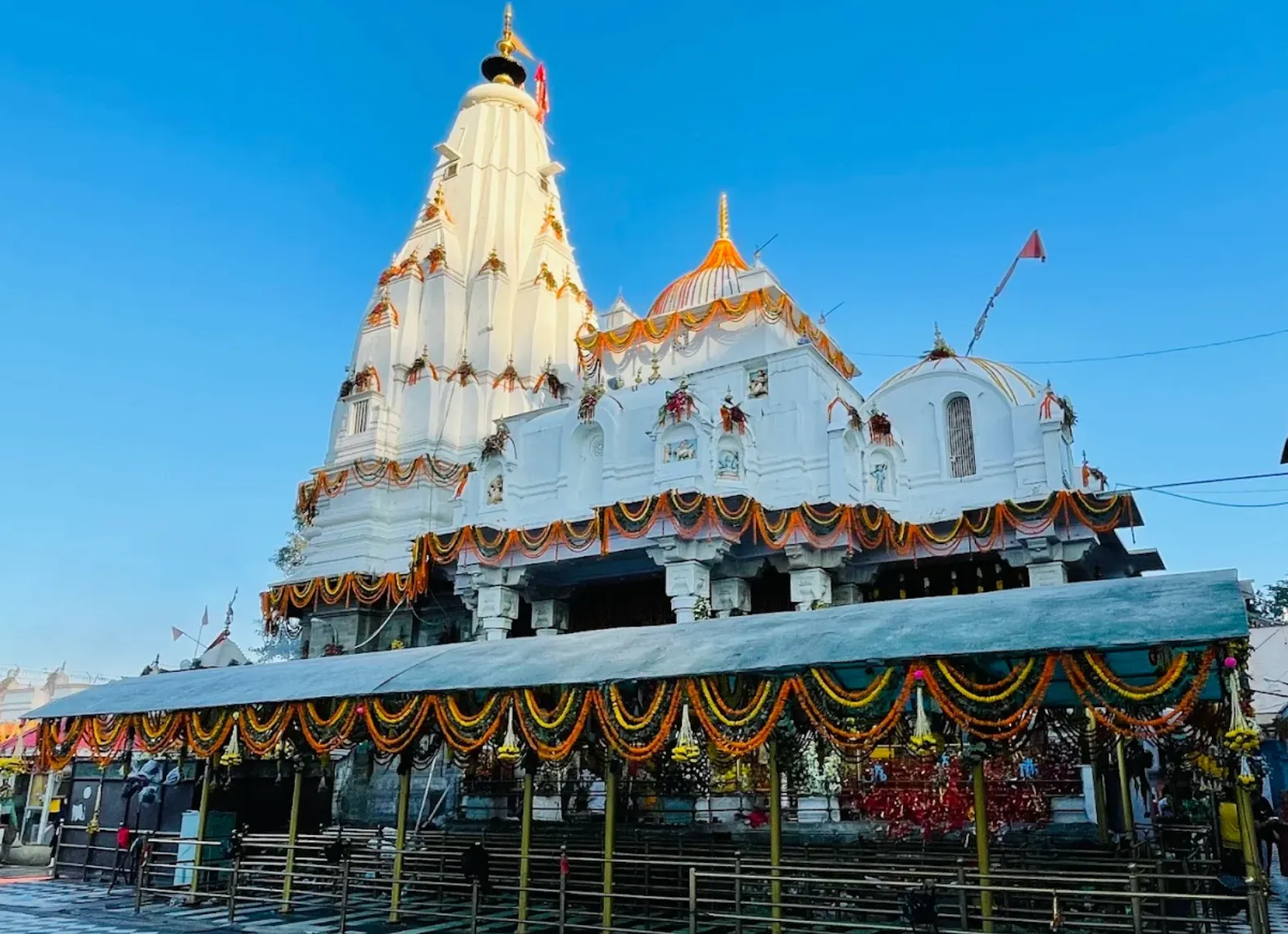
The Vaishno Devi Temple is the most significant pilgrimage destination in Jammu and Kashmir. It ranks as the second most visited religious shrine in India. The main sanctuary is a natural cave located on the Trikuta Hills. It sits at an elevation of roughly 5,200 feet above sea level. Pilgrims access the shrine through a steep trek of about 13 kilometers. The journey begins from the base camp at Katra town in the Reasi district.
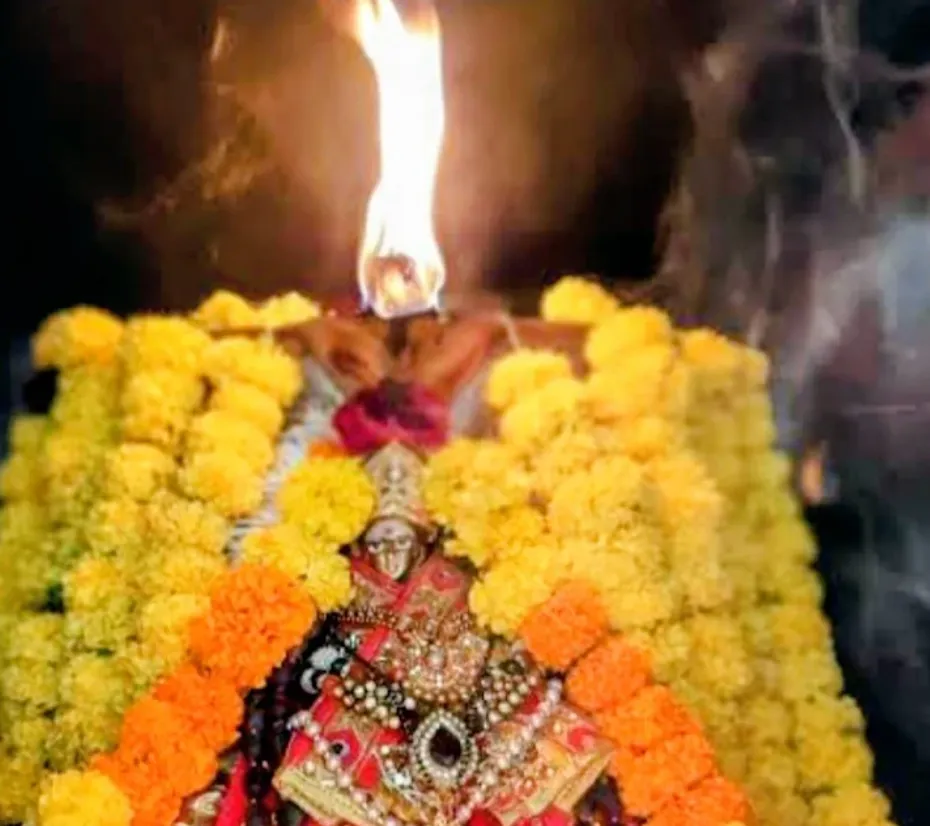
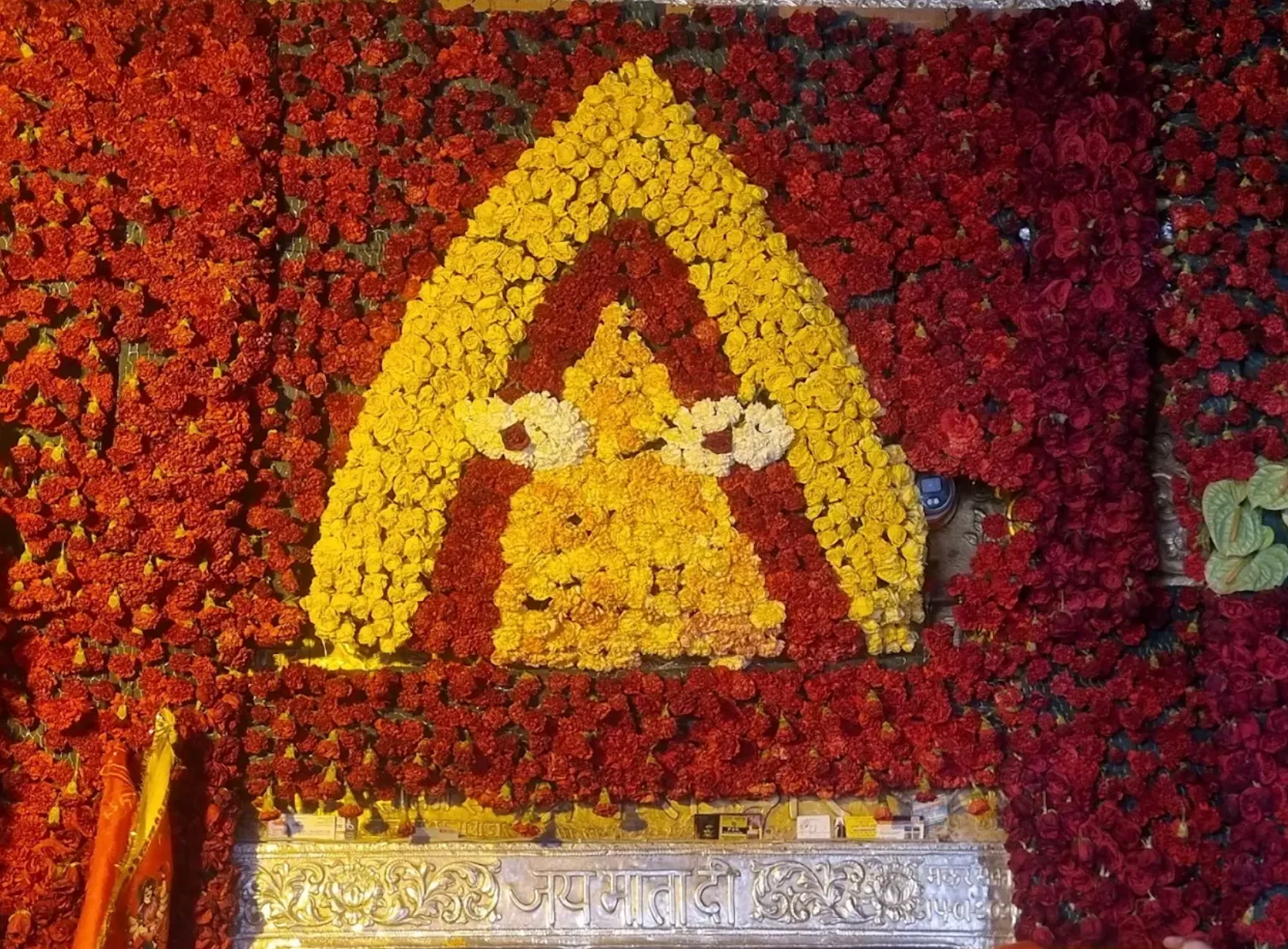
Inside the cave the goddess manifests as three natural rock structures. Devotees call these sacred formations Pindies. Each one stands approximately five and a half feet tall. They represent the fundamental aspects of the divine mother. There are no sculpted idols placed here. The Pindies are completely natural geological formations. Millions of devotees accept them as a divine self manifestation.
The shrine receives nearly 10 million pilgrims every single year. Peak festival days often see tens of thousands of pilgrims visiting the cave sanctum.
The Story of Vaishnavi: From Human to Divine
The mythological biography of Vaishno Devi is highly detailed. It functions almost like a complete spiritual biography.
According to ancient traditions Vaishnavi was born as a human girl. Her parents were highly devoted to Lord Vishnu. Local legends state she devoted herself entirely to deep spiritual practice. She spent her childhood meditating upon the combined forms of Vishnu and Shakti. Lord Rama reportedly encountered Vaishnavi during his forest exile. Many believe he recognized her as an avatar of the universal mother.
Tradition says she sought his permission to meditate until the end of the current age. Lord Rama granted this and promised her great future reverence. He stated her cave shrine would become a massive pilgrimage center.
A central narrative involves a Tantric practitioner named Bhairon Nath. He encountered Vaishnavi and became deeply obsessed with her. Vaishnavi had taken a strict vow of celibacy and fled into the mountains. During her escape she performed actions that created sacred landmarks.
Sacred Landmarks Along the Path
- Banganga: Legend states she shot an arrow into the earth to find water. This created a flowing stream now called Banganga.
- Charan Paduka: She rested at a rocky outcrop during her climb. Many believe her footprints remained embedded in the stone here.
- Adhkuwari: Vaishnavi reportedly meditated in a small cave here for nine months. This cave is called Garbh Joon meaning the womb. Darshan of this narrow cave can take several hours during peak season.
- The Main Cave: She reached the high cave and transformed into Mahakali. Local legends state she beheaded Bhairon Nath outside the cave entrance.
In his dying moments Bhairon Nath realized his deep mistakes. He asked the goddess for absolute forgiveness. She forgave him and granted him a profound blessing. She declared no pilgrimage would be complete without visiting his shrine. This transformed him from an antagonist into a permanent guardian.
The Three Pindies: A Theological Statement in Stone
The three Pindies are not separate statues of three different goddesses. They are natural formations within a single rock base. They represent the unified presence of the divine mother in three distinct forms.
The Sacred Forms
- Maha Kali: The formation on the right side of the devotee represents Kali. She represents the power of dissolution and the darkness before creation.
- Maha Lakshmi: The central and largest formation represents Lakshmi. She represents sustaining abundance and the maintenance of creation. Devotees directly identify this central Pindi as Vaishno Devi herself.
- Maha Saraswati: The formation on the left side represents Saraswati. She represents creative intelligence and cosmic wisdom.
The entire map of Hindu cosmic function is present in these three stones. This brings incredible spiritual significance to the long mountain journey. A natural rock formation sits to the left of the Pindies. Devotees identify it as the protective hand gesture of the goddess. The Shrine Board acknowledges the site as a highly revered Peetha.
The Original Cave vs. The New Tunnels
The original holy cave is roughly 98 feet long. It features a very narrow passage filled with flowing water. Pilgrims entering the ancient cave wade through an ankle deep stream called Charan Ganga. This pure water flows directly from the holy Pindies.
The incredible volume of daily visitors required modern architectural solutions. The Shrine Board constructed two artificial tunnels alongside the original cave. These new tunnels help manage the massive flow of pilgrims safely. The original cave remains available during less crowded periods. Pilgrims can still experience the traditional passage through the water when permitted.
The board has established multiple large buildings within the main Bhawan complex. These structures accommodate the massive scale of infrastructure needed at the top.
The Pandit Shridhar Discovery
Devotional traditions state a Brahmin priest discovered the cave centuries ago. His name was Pandit Shridhar and he lived near present day Katra. Local folklore suggests the goddess appeared directly in his dreams. She showed him the exact hidden location of her sacred cave.
He searched the mountain and found the three Pindies exactly as shown. She blessed his family and asked him to spread knowledge of the shrine. He spent the rest of his life serving at the cave. Geological surveys describe the actual cave age as millions of years old.
The Bhairon Temple: Completing the Yatra
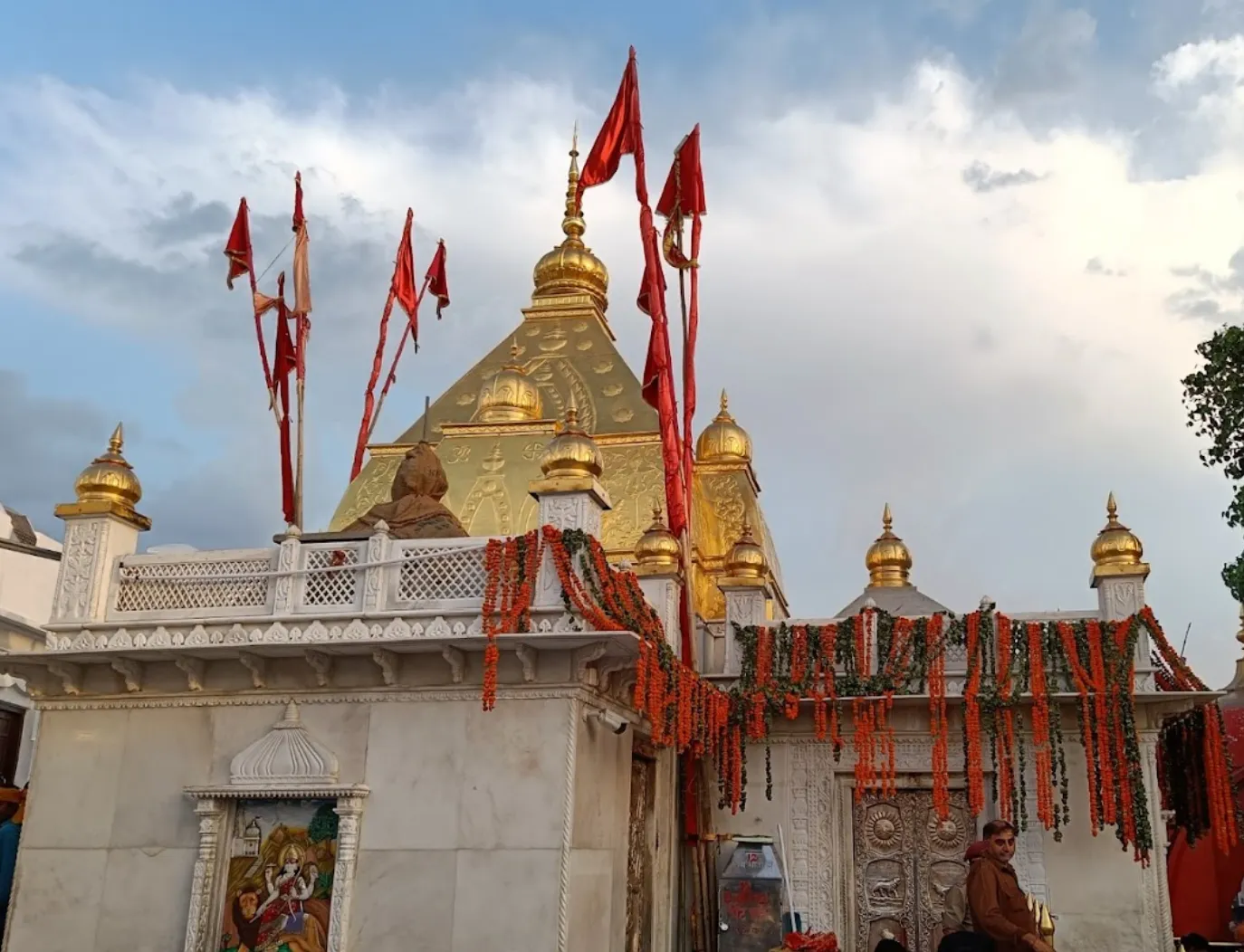
The Bhairon Nath Temple sits roughly two kilometers above the main Bhawan. Visiting this high hilltop shrine is the mandatory final stop. Pilgrims can access it via a steep one hour trek. They can also use a modern ropeway cable car system.
The ropeway from Bhawan to Bhairon Temple became fully operational in 2018. It offers breathtaking aerial views of the deep Bhairo Valley. The cable car takes approximately five minutes to reach the top.
Visiting this final temple holds deep theological significance. It embodies the core principles of forgiveness and ultimate spiritual redemption.
Trek Route and Practical Navigation
Base Camp Registration
Katra town serves as the main base camp. Yatra registration is strictly mandatory for everyone. You can get slips at the counter near the main bus stand. No one can enter the trek without a valid yatra slip.
Trek Distances
The total distance is roughly 13 kilometers from Banganga to the Bhawan.
Route via Banganga to Adhkuwari
- Old Route: This path is heavily used by ponies and palanquins.
- New Tarakote Marg: This cleaner path is about seven kilometers long. It offers beautiful scenic views and restricts pony services.
Route via Adhkuwari to Bhawan
- Old Route via Sanjichhat: This path takes you past the high helipad area.
- New Route via Himkoti: This route is shorter and offers excellent valley views.
Helicopter and Battery Cars
Helicopter services run from Katra directly to the Sanjichhat helipad. Sanjichhat is about two kilometers from the main Bhawan. Battery car services operate on specific route sections to help elderly pilgrims.
The Shrine Board and Modern Administration
The Shri Mata Vaishno Devi Shrine Board was established in 1986. This official board transformed the yatra infrastructure completely. They manage all tracks, temples, and pilgrim accommodations. They also handle yatra registration and massive crowd management safely.
Environmental Vulnerability
Managing this environment presents immense geological challenges. In August 2025 a devastating landslide struck near the Adhkuwari area. This tragic event caused the deaths of 35 visiting pilgrims. It highlighted the severe environmental vulnerability of the Trikuta Hills. The board works constantly to balance spiritual access with extreme mountain safety.
Important Restrictions and Regulations
- Photography: Cameras and videography are strictly prohibited throughout the entire route. You must leave your cameras at your hotel in Katra.
- Offerings: Coconuts are not permitted inside the holy cave. You must deposit them at a counter before entering.
- Food Items: Sweets and food are strictly banned inside the cave sanctum.
- Dietary Rules: Non vegetarian food and alcohol are completely banned in Katra town.
- Donations: You must place cash donations only in sealed official boxes.
Plan Your Complete Himachal Devi Darshan
Embark on the ultimate spiritual journey across the majestic Himalayas. Connecting the powerful Shakti Peethas—including Brajeshwari, Jwala Ji, Chintpurni, and Chamunda Devi—requires careful route planning through mountainous terrain. Ensure a seamless, deeply spiritual pilgrimage for you and your family by organizing your temple circuit with regional experts.
Explore Devi Darshan RoutesPlanning Your Devi Circuit With Palampur Taxi Service
Many pilgrims visit Vaishno Devi after completing the Himachal Devi circuit. Traveling between Kangra and Jammu requires highly reliable transportation. Relying on public buses for interstate travel takes extra time and energy. Booking a dedicated cab ensures a much more comfortable journey.
Palampur Taxi Service offers excellent transport options for visiting devotees. Their experienced drivers understand the northern highway routes perfectly. Using a private taxi helps you manage your heavy travel luggage easily. It also allows families to travel safely at their own comfortable pace. Palampur Taxi Service makes complex pilgrimage planning completely stress free.
How to Reach Katra
By Air
The Jammu Airport is approximately 45 kilometers from Katra base camp. Regular local taxis and buses connect the airport to the town.
By Rail
The Shri Mata Vaishno Devi Katra Railway Station is a modern facility. It receives direct express trains from Delhi, Mumbai, and other major cities.
By Road (Taxi/Bus)
Regular state transport buses run from Jammu every fifteen minutes. A well maintained national highway connects Katra to Jammu directly.
Visitor Information
- Cave Darshan Timings: The main shrine remains open 24 hours a day.
- Best Season to Visit: March to October offers the clearest roads and manageable weather.
- Average Trek Time: The ascent takes about five to six hours. The descent takes roughly three to four hours.
- Atka Aarti: This pre sunrise ceremony requires advance online booking through the official website.
Frequently Asked Questions
Is the Vaishno Devi yatra open during the winter months?
Yes. The yatra operates continuously throughout the entire year. However heavy snowfall in January and February can make parts of the trek difficult.
Is the trek safe for elderly or disabled pilgrims?
The Shrine Board provides palanquins and porter services along the route. Battery cars operate on some newer sections. Helicopter and ropeway services also offer excellent alternatives to walking.
What is the famous Bulawa tradition?
Many devotees believe a pilgrimage happens only when the goddess personally calls them. This divine summons is called the Bulawa. Believers feel they cannot successfully visit until they receive this specific call.
Are mobile phones or cameras allowed on the trek?
You can carry mobile phones for communication. However photography is strictly prohibited throughout the main route and inside all shrines.
How do I book a helicopter to Vaishno Devi?
You can book helicopter tickets through the official Shrine Board website. Advance booking is highly recommended during Navratri and peak summer seasons.
What is the theological significance of the Bhairon Temple?
The temple embodies the principle of supreme forgiveness. Local legends state the goddess forgave his wrongdoings before he died. Visiting his shrine teaches that genuine repentance brings divine grace.
Where can pilgrims stay during the journey?
The Shrine Board operates multiple clean accommodation complexes in Katra and at the Bhawan. Private hotels ranging from budget to luxury are also widely available in Katra town.