Chamunda Devi Temple, Kangra: The Fierce Goddess on the Baner River
Quick Summary
- Main Deity: Goddess Chamunda (and Shiva as Nandikeshwar)
- Temple Location: Baner River, Kangra District, Himachal Pradesh
- Unique Feature: Only major regional temple jointly dedicated to Shakti and Shiva
- Sacred Tradition: The main idol represents the fierce slayer of demons Chanda and Munda
- Pilgrim Highlights: Sacred Kund, Bathing Ghat, and the hidden Nandikeshwar cave
Table of Contents
Temple Overview
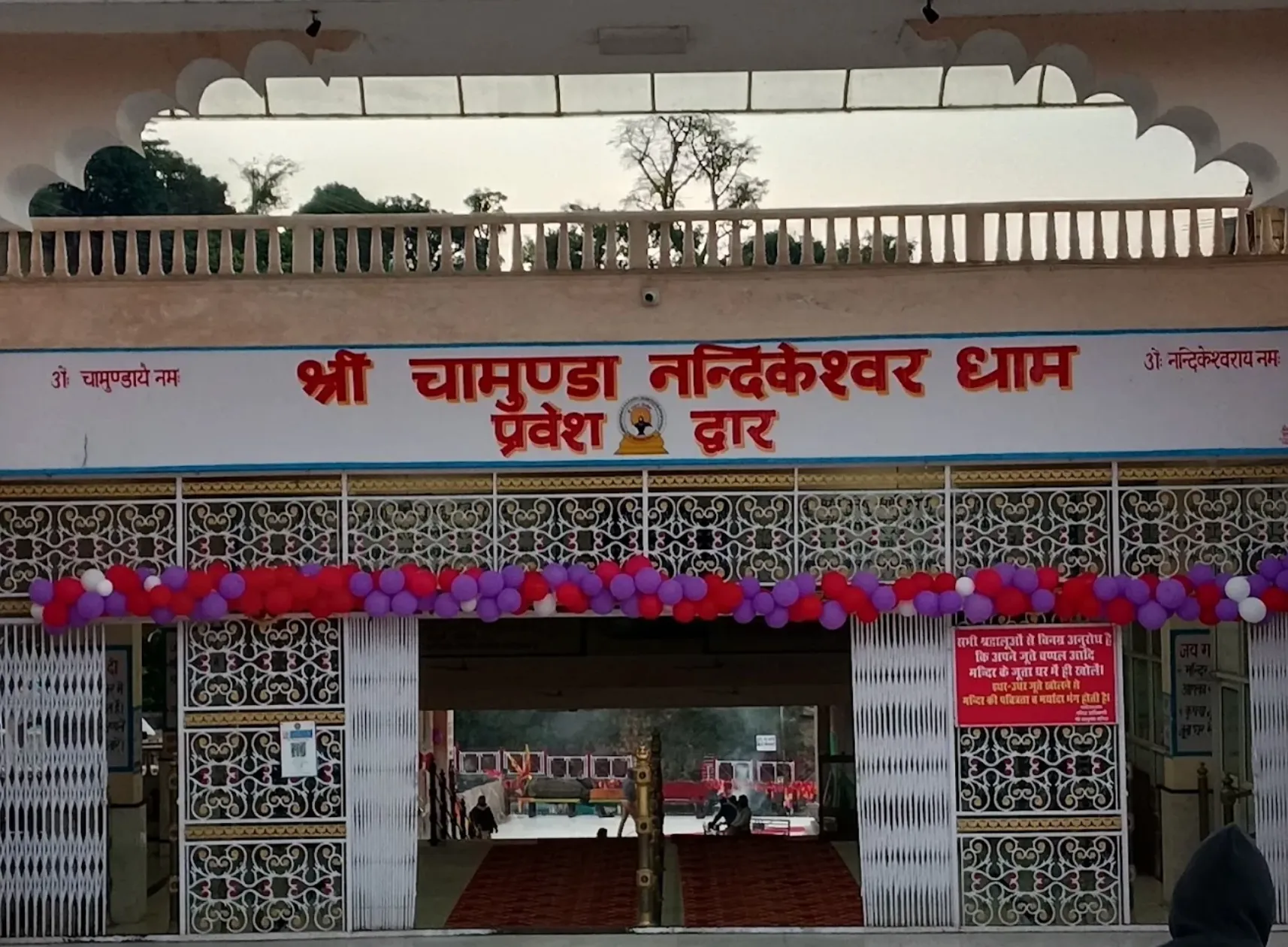
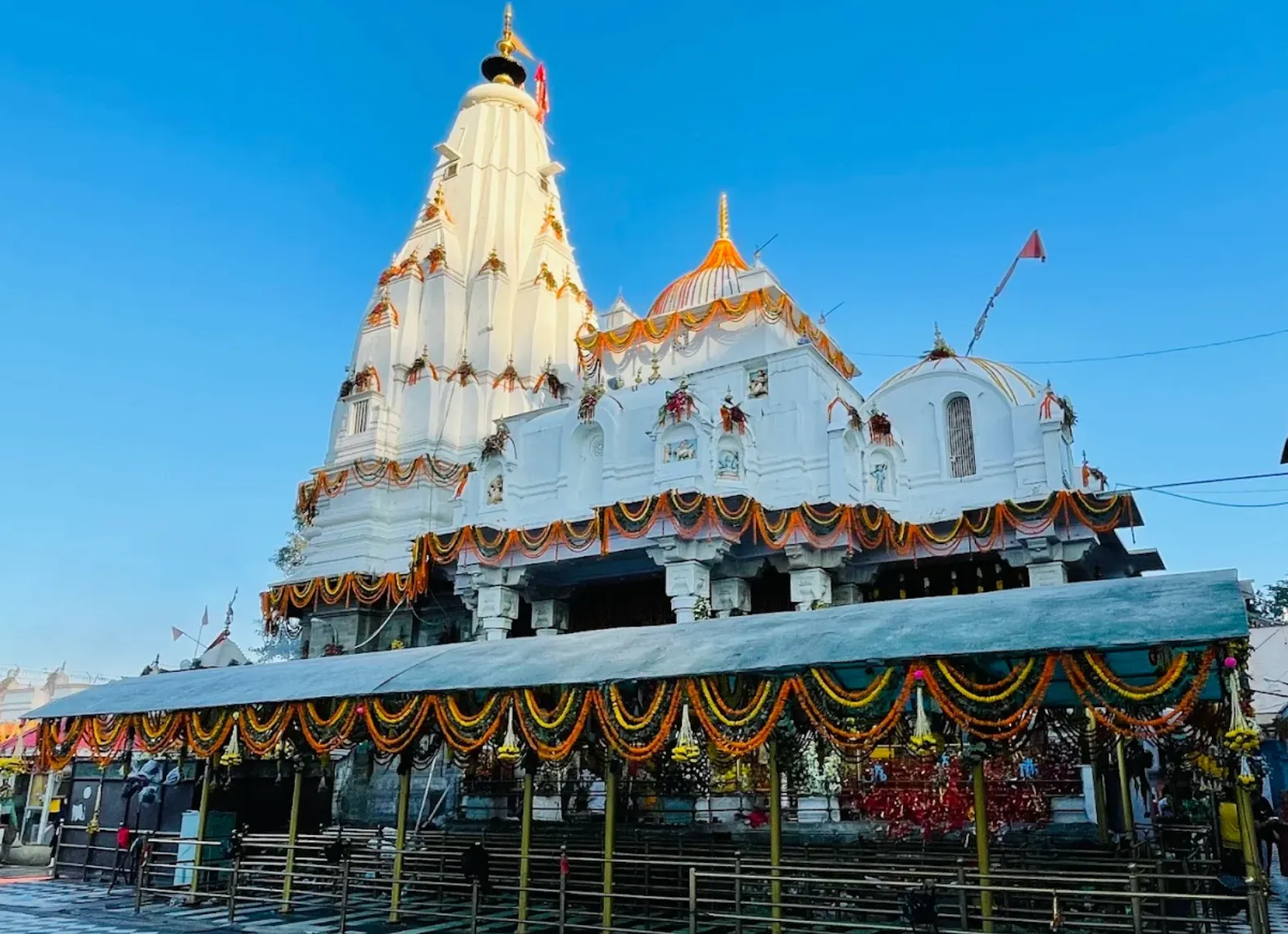
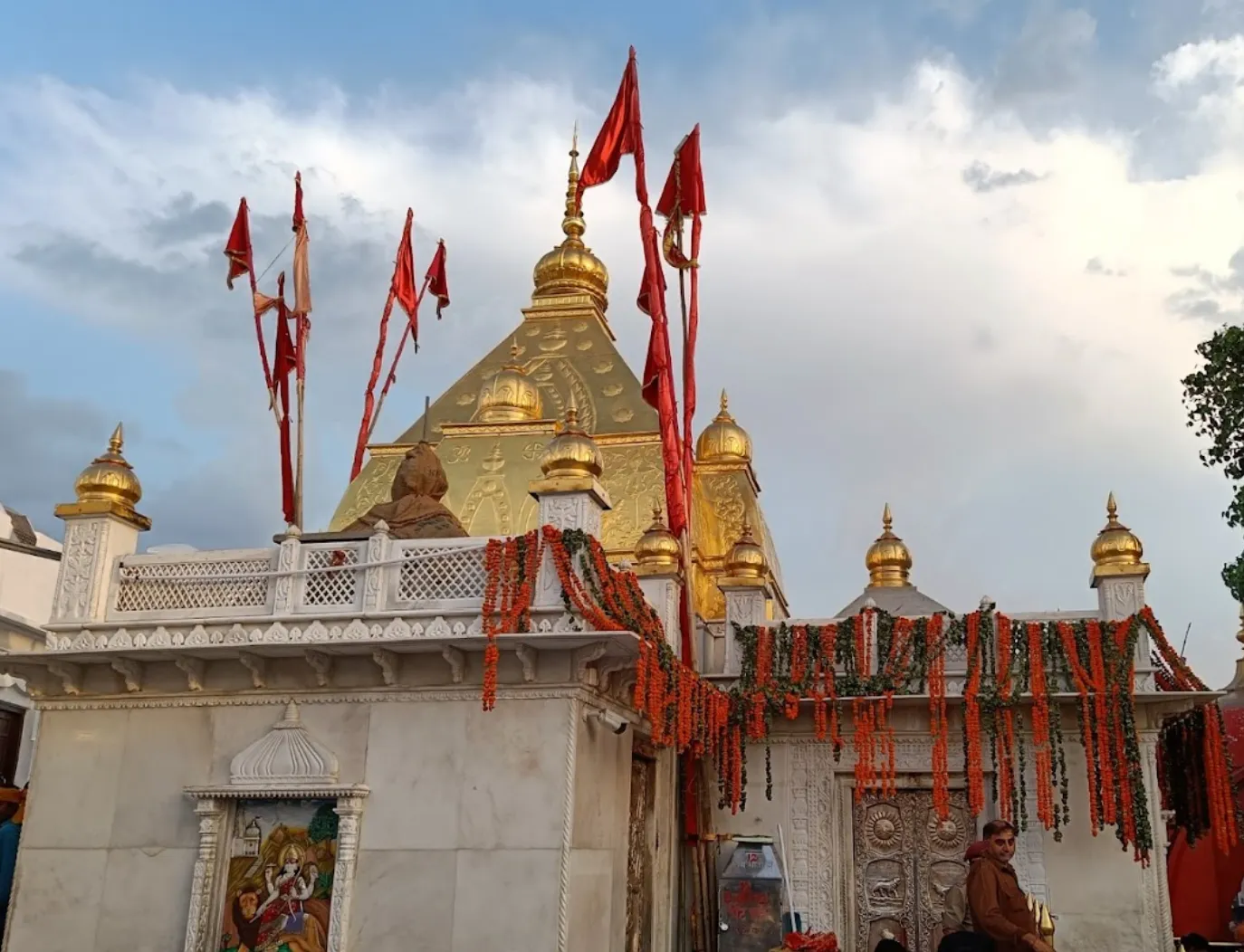
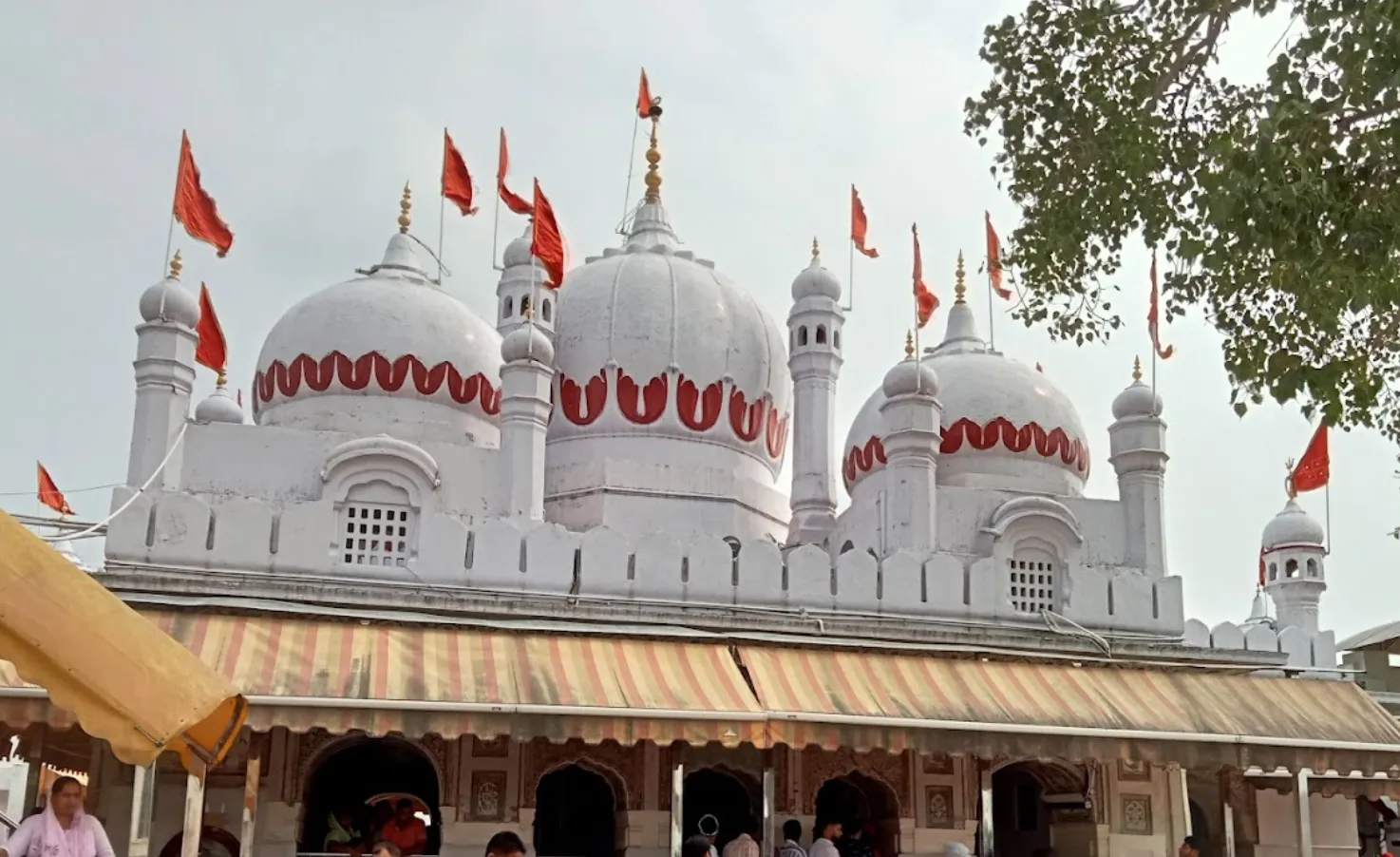
The Chamunda Devi Temple stands beautifully on the banks of the Baner River. The official name of this shrine is Chamunda Nandikeshwar Dham. It is located in the Kangra district of Himachal Pradesh. The temple sits roughly 15 kilometers from Dharamshala and about 20 kilometers from Palampur. It is the only major temple in Himachal Pradesh dedicated jointly to Shakti and Shiva. Devotees worship Shakti as Chamunda and Shiva as Nandikeshwar here. This dual dedication symbolizes the union of masculine and feminine cosmic principles.
Historical records suggest the current temple was built roughly 400 years ago. Its roots connect deeply to the ancient Katoch dynasty. These regional rulers served as the original royal patrons of the shrine. The true mythological origins of the site connect to the ancient Devi Mahatmya narrative.
Who Is Chamunda? The Demon-Slayer’s Name
The name Chamunda is not the original name of the goddess. It is a highly revered title she earned in battle. According to the ancient text called Devi Mahatmya, Goddess Kaushiki was battling powerful demon generals. These generals were named Chanda and Munda. The cosmic war against the demon king Shumbha was incredibly fierce.
During the battle Kaushiki contracted her eyebrows in deep anger. A dark and terrifying form emerged from her forehead. This was Chandika who was later called Kali. She appeared wearing a garland of severed heads and held a skull cup. This fierce emanation destroyed Chanda and Munda. She returned with their severed heads to present to Kaushiki. Pleased with this great victory Kaushiki bestowed a permanent title upon her. She called her Chamunda meaning the one who slew Chanda and Munda.
The idol at this sacred shrine represents this specific form of the goddess. Ancient traditions describe her seated on a corpse while holding a skull cup. This fierce iconography carries immense spiritual power. Texts often depict the goddess with multiple arms holding specific divine weapons. These weapons include a trident, a sword, a snake, and a thunderbolt.
The Dream That Moved a Goddess: Legend of the Temple’s Origin
The founding legend of this temple involves a king and a dedicated Brahmin priest. They both sought divine permission to relocate an inaccessible mountain shrine.
The original temple of Chamunda Devi stood atop a remote and towering hilltop. This peak sits roughly 15 kilometers uphill in the dense Dhauladhar ranges. This original site is now known as Aadi Himani Chamunda. The hilltop location made it extremely difficult for regular devotees to visit.
Local legends say the king and his priest undertook strict fasting and prayers. They asked the goddess for permission to establish a more accessible temple. After days of devotion Chamunda Devi reportedly appeared in the dream of the priest. She directed him to a specific location near the Baner River. She told him her idol lay buried there and instructed him to build a temple.
The next day the king sent workers to dig at the indicated spot. They found the idol exactly as the dream described. However the men could not lift the heavy stone. The stone refused to move despite the combined efforts of many workers. Local folklore states that natural calamities began to strike the region. The people believed this indicated the displeasure of the goddess at being treated as ordinary stone.
The goddess reportedly appeared again to the priest. She explained that the workers approached the idol without true devotion. She instructed the priest to rise early and bathe before approaching the site. The next morning the priest approached with complete reverence. Legend states he alone lifted the heavy idol effortlessly. He then installed it at its current sacred location.
The Living Tradition of Aadi Himani Chamunda
The original hilltop shrine is deeply sacred. This is where mythology holds that Chamunda Devi actually slew the demons. Local tales suggest she hurled massive boulders down from the peak during the battle. People still point out one large boulder near the valley temple today. Many believe it was thrown by the goddess herself.
Trekking to the Original Shrine
The trek to Aadi Himani Chamunda begins from Jia village or Jadrangal. These are the last motorable points for travelers. The steep trek takes roughly five to seven hours one way. It covers challenging forested trails and old stone steps. A fierce fire damaged it in 2014, but locals quickly rebuilt the structure.
Many serious pilgrims combine visits to both temples. They use the valley shrine for regular daily worship. They visit the mountain shrine for more intense spiritual practice. This distinction between the accessible and the remote mirrors a consistent pattern in Himalayan pilgrimage.
Nandikeshwar: The Hidden Shiva Within
The Chamunda Devi Temple is completely unique within the regional Shakti circuit. A natural cave sits directly behind the main temple structure. This cave houses a self manifested Shiva Lingam. Devotees worship this sacred stone as Nandikeshwar.
A marble staircase descends from the main temple courtyard into this natural rock scoop. The Lingam emerges naturally from the earth here. The concept of Nandikeshwar translates to Shiva as the blissful one. Having this presence at a Shakti temple creates a theologically complete shrine. Both feminine and masculine cosmic principles are simultaneously present. This beautiful dual dedication gives the temple its full official name.
Sacred Kund and the Bathing Ghat
The temple complex includes a very large sacred pond called a Kund. Beautiful sculptures of various gods and goddesses line its perimeter. Pilgrims often take ritual dips in this Kund as part of their visit. Many devotees believe a bath here purifies the accumulated karma of past lifetimes.
The temple also features a peaceful bathing ghat directly on the Baner River. A small subsidiary temple sits across a walking bridge connecting to this ghat. Devotees frequently bathe in the flowing river water before entering the main complex.
The Covered Idol: Why Chamunda’s Form Is Hidden
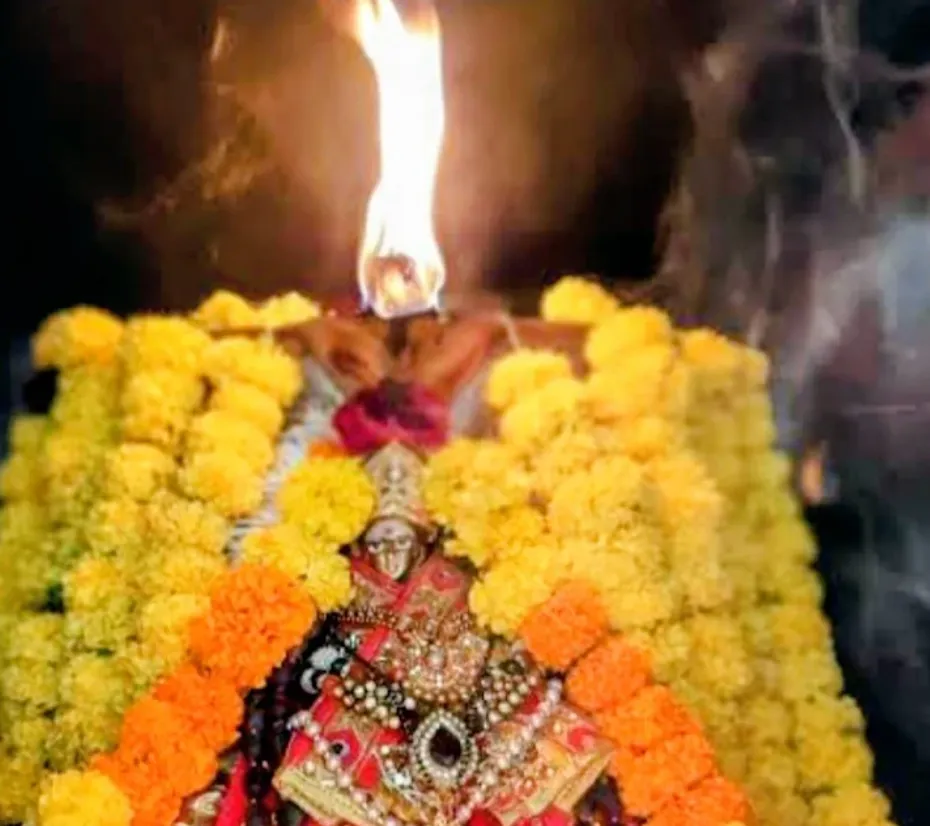
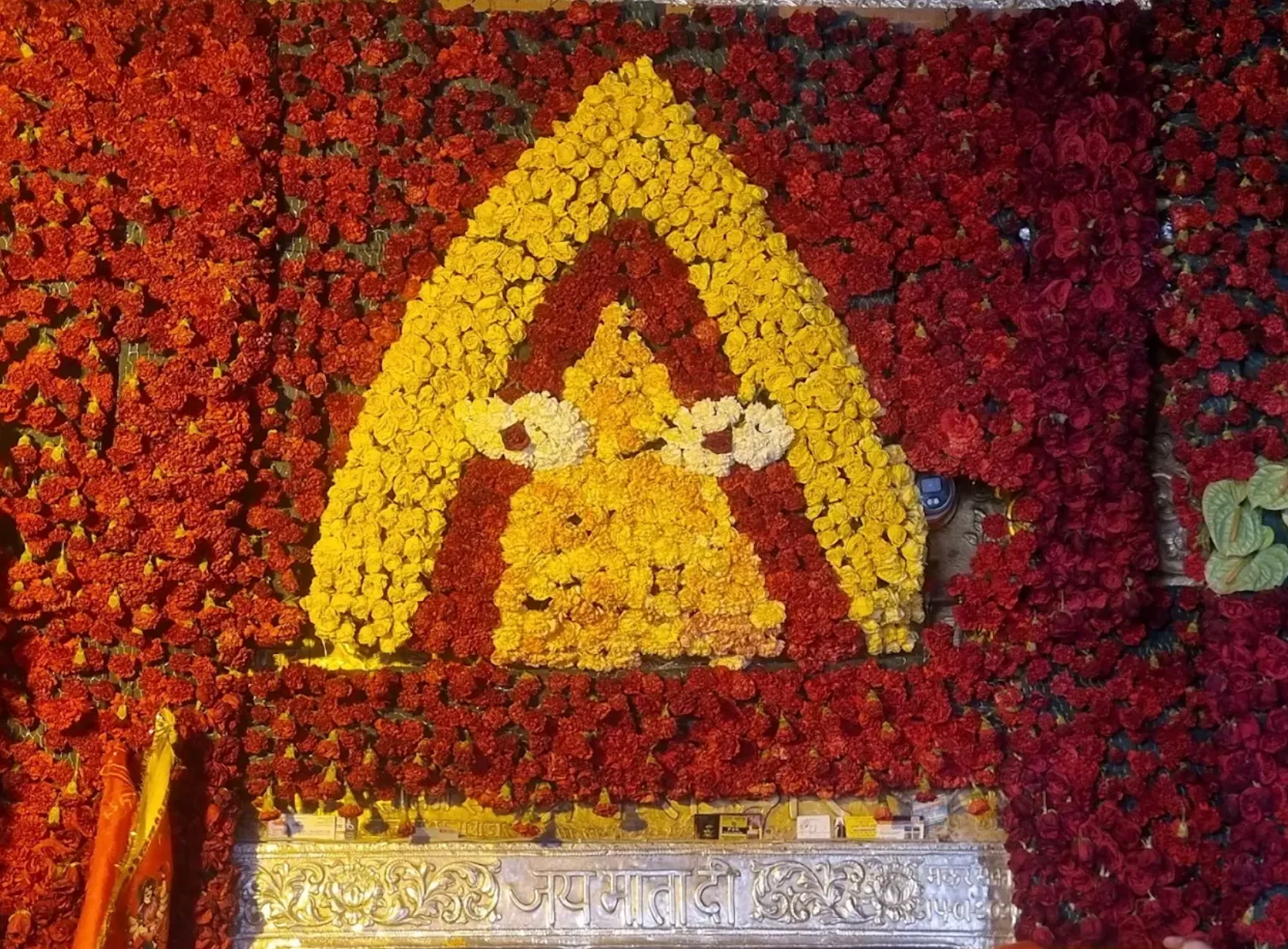
A highly specific ritual practice exists at the Chamunda Devi Temple. Priests keep the main idol covered in red and black cloth at all times. Devotees only see the beautifully draped form rather than the sculpted stone image.
Red represents the fierce energy of pure action and power. Black represents the cosmic void from which all creation eventually emerges.
The reason for covering the idol is deeply theological. The full Chamunda iconography features a skeletal goddess seated on a corpse. Spiritual leaders consider this image too intense for unprepared daily viewers. The cloth covering allows all devotees to approach the shrine safely. Initiated practitioners understand that the divine presence remains entirely unchanged by the covering.
Festivals and Ritual Calendar
Navratri Festivals
The temple celebrates two major Navratri festivals every single year. Temple records show massive crowds during the Ashvin Navratri in autumn. The festival features continuous mantra recitation and beautiful late night processions.
Chamunda Devi Fair
An annual religious fair takes place here every April. It draws thousands of pilgrims and local villagers for a large cultural celebration.
Major Hindu Holidays
The temple observes Makar Sankranti, Diwali, and Dussehra with high energy. Priests conduct special pujas and the trust extends the evening darshan hours.
Plan Your Complete Himachal Devi Darshan
Embark on the ultimate spiritual journey across the majestic Himalayas. Connecting the powerful Shakti Peethas—including Brajeshwari, Jwala Ji, Chintpurni, and Chamunda Devi—requires careful route planning through mountainous terrain. Ensure a seamless, deeply spiritual pilgrimage for you and your family by organizing your temple circuit with regional experts.
Explore Devi Darshan RoutesPlanning Your Temple Circuit With Palampur Taxi Service
Visiting the Chamunda Devi Temple is usually part of a larger Devi circuit. Many pilgrims travel to Kangra to seek blessings from multiple mountain shrines. Navigating the winding roads of the Kangra Valley requires skill and proper local knowledge.
Booking a reliable local taxi makes your spiritual journey much easier. Palampur Taxi Service offers highly experienced drivers for all regional pilgrimage routes. They know the exact roads connecting Chamunda Devi to Jwala Ji and Brajeshwari temples.
Using a dedicated cab helps you manage complex travel schedules effortlessly. You can easily stop at the Dharamshala monasteries or local tea gardens along the way. Palampur Taxi Service ensures your family travels in absolute comfort. This allows you to focus completely on your prayers rather than stressful mountain driving.
How to Reach Chamunda Devi Temple
By Air
The Kangra Airport in Gaggal is the closest active airport. It is located roughly 30 kilometers from the temple complex.
By Rail
The Chamunda Marg railway station is a very small narrow gauge stop nearby. Nagrota Bagwan is another narrow gauge option about 10 kilometers away. The nearest major broad gauge railway station is Pathankot Junction. Pathankot is approximately 90 kilometers from the temple.
By Road (Taxi/Bus)
The temple sits right along the main Palampur to Dharamshala highway. Regular state buses travel this route throughout the day. Palampur is just 20 kilometers away while Dharamshala is roughly 15 kilometers away.
Visitor Information
- Temple Timings: 5:00 AM to 10:00 PM during summer. Winter timings are slightly shorter. The temple usually closes briefly between 12:00 PM and 1:00 PM.
- Entry Fee: There is no entry ticket required for regular darshan.
- Facilities: The complex includes a guest house, an Ayurvedic clinic, and a large Sanskrit college.
- Dress Code: Visitors must wear modest clothing and avoid shorts. Everyone should cover their heads inside the main sanctum.
- Photography: Taking photos of the main covered deity is strictly prohibited.
Frequently Asked Questions
What makes the Chamunda Devi Temple in Kangra unique?
It is the only major temple in the region dedicated to both Shakti and Shiva. The complex houses both the goddess Chamunda and a sacred Shiva cave called Nandikeshwar.
Why is the main idol of the goddess always covered?
The full iconography of the goddess is extremely fierce. Priests cover the idol with red and black cloth so all devotees can approach comfortably without feeling overwhelmed.
What is the connection to Aadi Himani Chamunda?
Aadi Himani is the original ancient shrine located high in the mountains. Local legend states the goddess instructed a priest to move the idol to the current accessible valley location.
How long does the trek to Aadi Himani Chamunda take?
The uphill trek to the original mountain shrine takes about five to seven hours. It covers a steep and difficult path of roughly 13 kilometers from the valley base.
Are there facilities for bathing at the temple?
Yes. The temple complex features a sacred Kund with clean water. Visitors can also safely bathe at the designated ghats along the Baner River right behind the temple.
What is the best time of day to visit the temple?
Early mornings before 8:00 AM are incredibly peaceful. Evening aarti times are heavily crowded but offer a highly energetic and beautiful spiritual experience.
How far is the temple from Dharamshala and Palampur?
The shrine is very accessible from both tourist towns. It sits roughly 15 kilometers from Dharamshala and about 20 kilometers from Palampur.