Naina Devi Temple, Bilaspur: The Goddess of Divine Vision
Quick Summary
- Main Deity: Goddess Naina Devi
- Temple Location: Bilaspur District, Himachal Pradesh (1177m-1219m altitude)
- Sacred Origin: One of 51 Shakti Peethas (where the eyes of Sati fell)
- Key Features: Breathtaking views of Gobind Sagar Lake, accessible by ropeway
- Major Festival: Shravan Ashtami
Table of Contents
Temple Overview
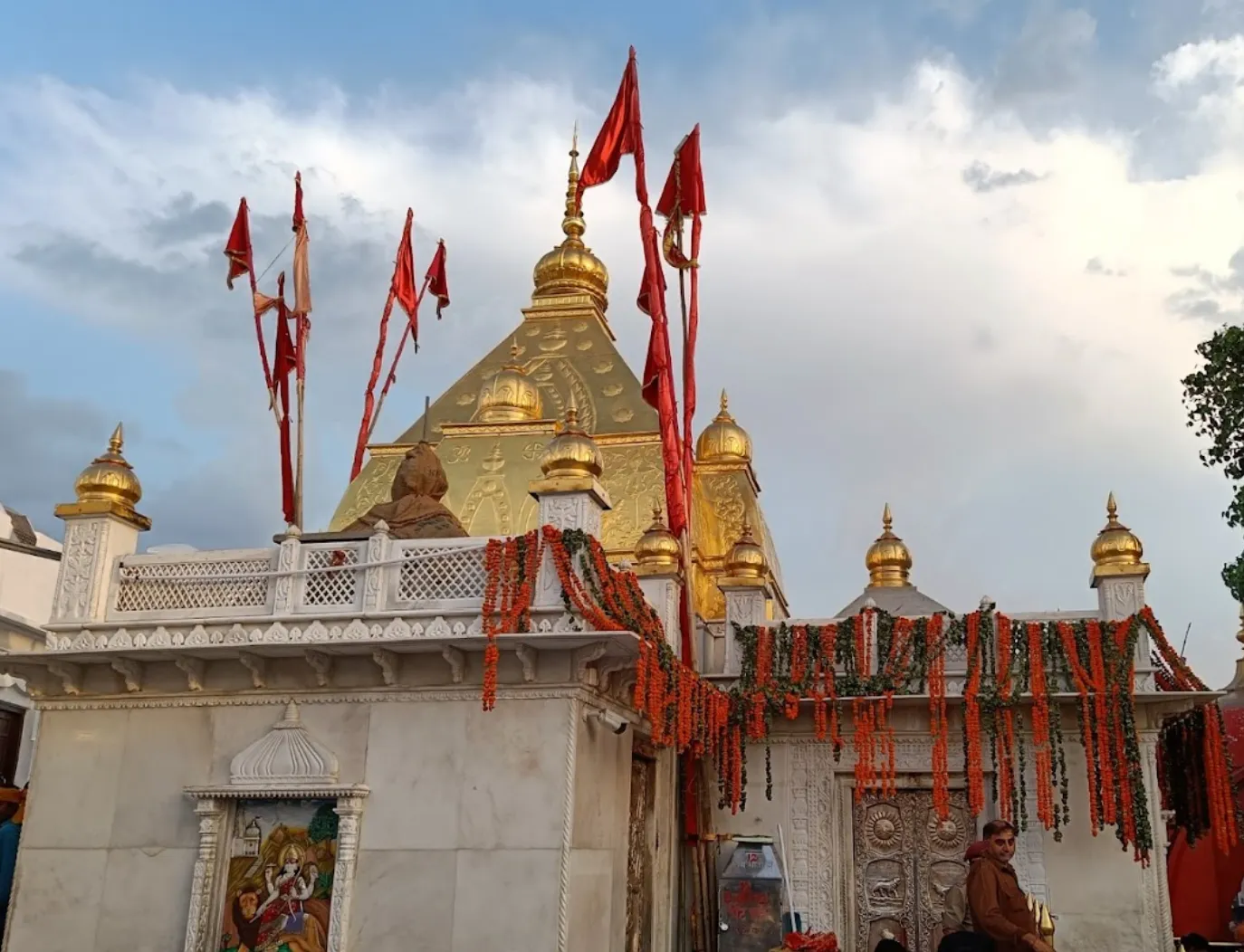
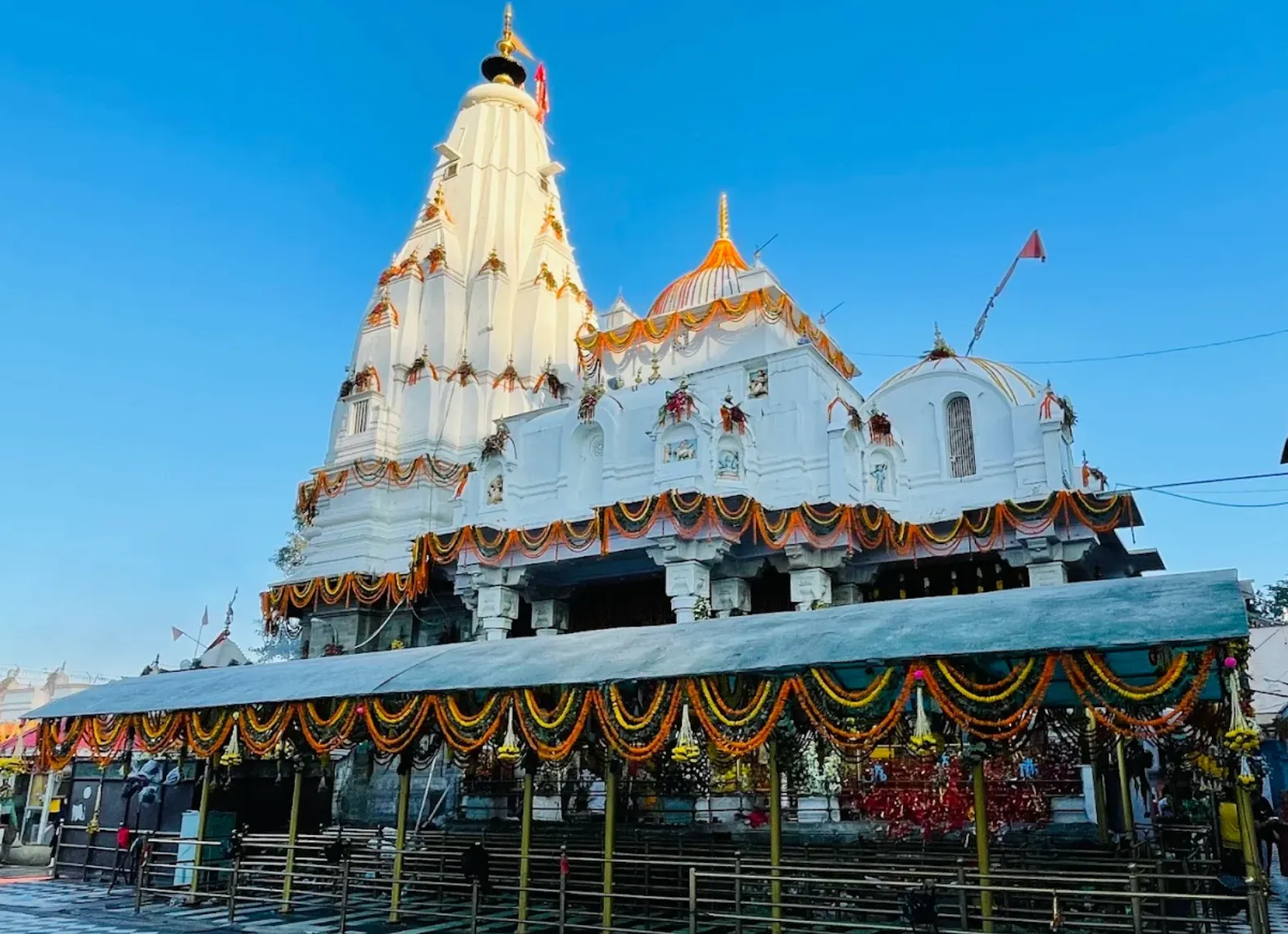
The Naina Devi Temple sits on a triangular hill in the Bilaspur district. It is located in Himachal Pradesh. The shrine rests at an elevation of roughly 1177 to 1219 meters above sea level. The temple is dedicated to Goddess Naina Devi. The word Nayan translates to eyes in Sanskrit. Many devotees believe the eyes of Goddess Sati fell at this precise location. According to tradition this happened when Lord Vishnu severed her body.
The temple offers one of the most dramatic views of any northern Indian shrine. Pilgrims can see the Gobind Sagar Lake from the hilltop. This vast lake was created by the Bhakra Dam. Visitors can also see the historic Gurudwara at Anandpur Sahib. This makes it a rare temple where Hindu and Sikh pilgrimage landmarks are visible together.
Location Highlights
The temple is located roughly 70 kilometers from Bilaspur town. It is about 100 kilometers from Chandigarh. The sacred Sikh site of Anandpur Sahib is just 20 kilometers away. This geographic position makes Naina Devi a major pilgrimage center. Both Hindu and Sikh communities visit in large numbers. Millions of devotees travel here annually.
Historical Foundation
Local traditions credit the original temple to Raja Bir Chand. He was an 8th century ruler of the Bilaspur region. Legend states he built the first shrine on the hilltop after experiencing a divine vision. Some historical accounts suggest temple construction happened later in the 15th century. However Katoch dynasty records and local oral traditions strongly support the earlier date.
Interestingly the famous city of Nainital in Uttarakhand shares a direct connection. The town is named after Naina Devi. A priest named Moti Ram Shah established a Naina Devi temple there in 1842. A massive landslide destroyed that structure in 1880. The original idol was reinstalled in a new building in 1883. This historical connection confirms the deep significance of the deity across the Himalayas.
Mythology: Where the Eyes of Sati Fell
The sacred narrative at Naina Devi is straightforward but profound. Local beliefs follow the ancient Sati myth. Goddess Sati gave up her life at the yajna of Daksha. Lord Shiva performed a grief fueled dance while carrying her body. Lord Vishnu severed her body to calm this destructive dance. According to tradition her eyes fell at this specific hilltop.
In Tantric philosophy the eyes represent much more than sense organs. They represent pure consciousness and divine witnessing.
The goddess emerging from the fallen eyes is the goddess of divine vision. Devotees view her as the mother who sees all suffering and devotion clearly.
The name Naina gives rise to a very specific local belief. Many pilgrims feel the goddess is highly responsive to prayers regarding eyesight. Devotees seek her blessings for vision related diseases and clarity in difficult life situations.
The temple sits on a naturally triangular hill. The geometric form of the hilltop itself holds great meaning. Triangular configurations in sacred geography often signify three divine energies. These represent Maha Kali, Maha Lakshmi, and Maha Saraswati. They are the three universal forms of the mother goddess.
The Three Deities Inside the Sanctum
The Sacred Triad
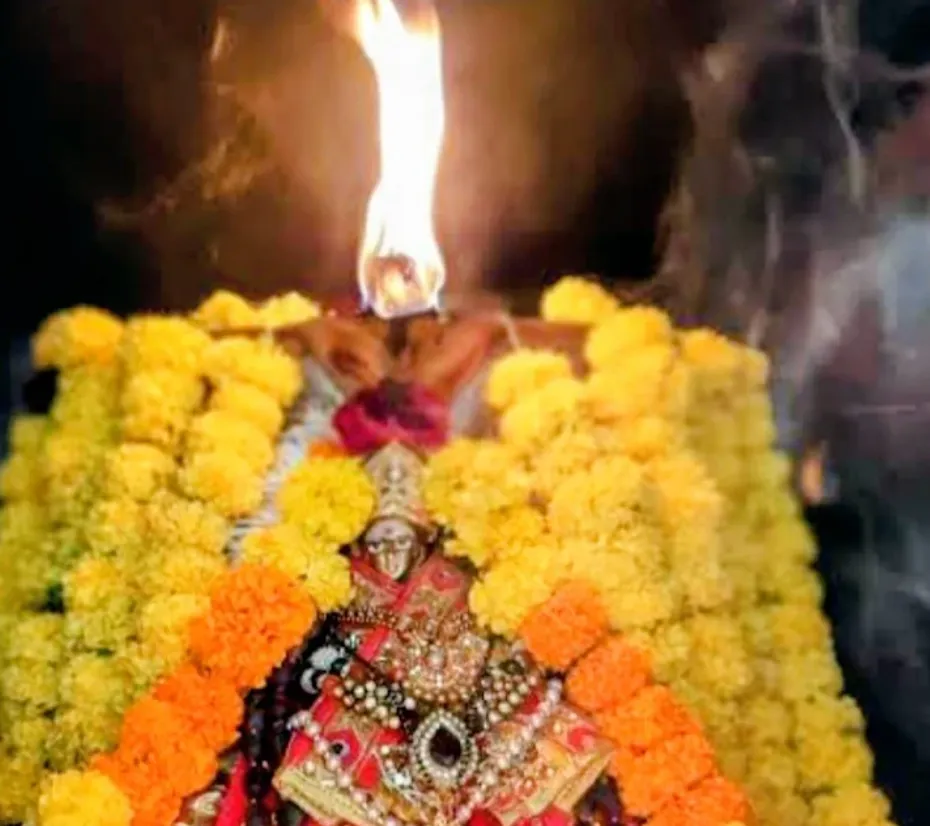
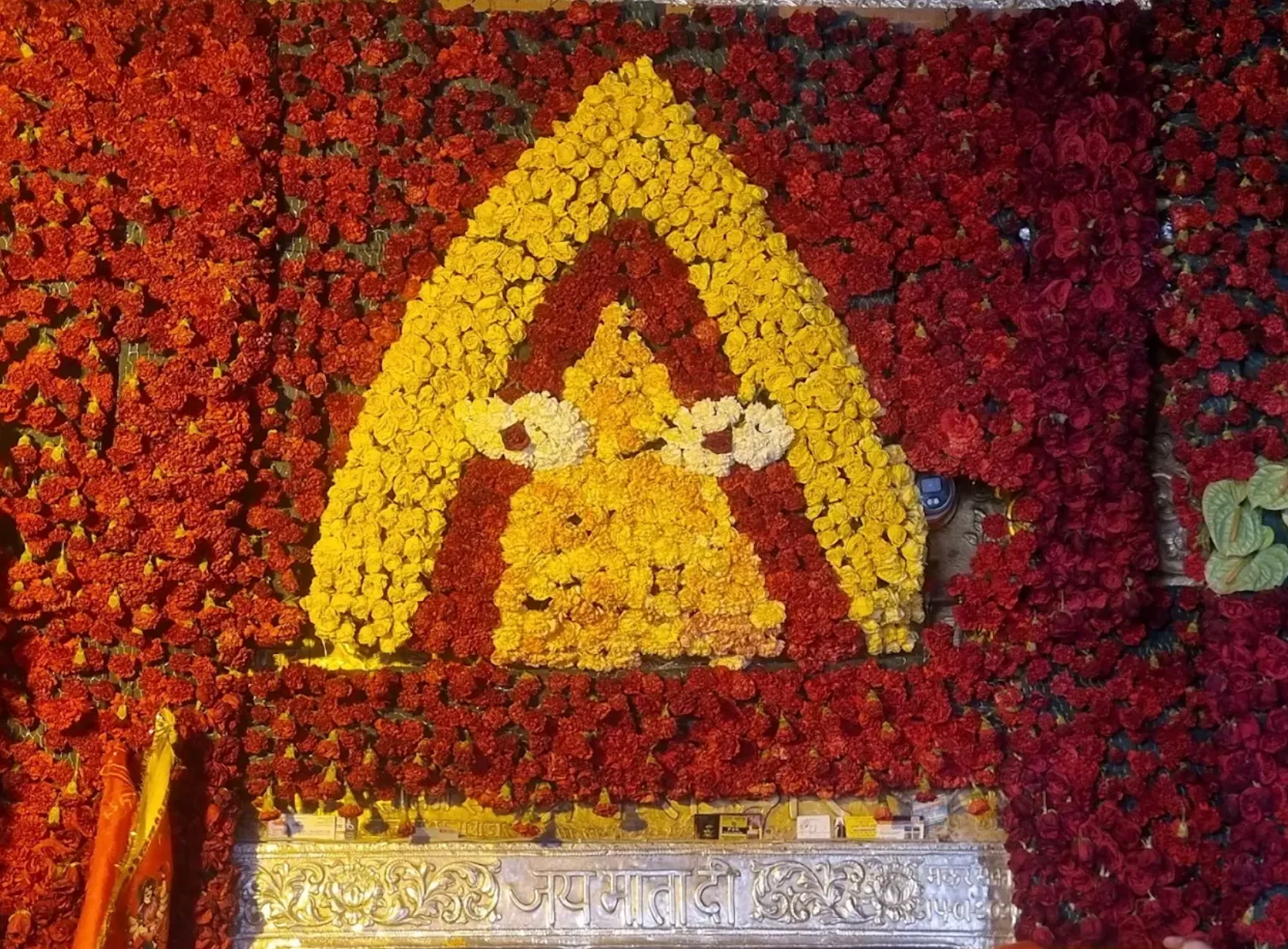
The main shrine at Naina Devi houses three images in a specific order. Goddess Kali stands on the extreme left side. The central image is Naina Devi herself. She is depicted with prominent eyes as her primary focal feature. Lord Ganesha stands on the right side.
This specific triad is quite distinctive. Most Shakti temples of this size house only the primary goddess with a guardian Bhairava. The inclusion of Lord Ganesha is unique. It reflects a tradition that honors the entirety of the Shaiva family. Two large statues of lions stand guard at the main entrance to the inner sanctum.
A small cave shrine sits close to the main temple building. It is known locally as the Shri Naina Devi Cave. It remains easily accessible to all devotees. Most pilgrims visit this cave as part of their complete darshan experience.
The Monsoon Phenomenon: When Jwalaji and Chintpurni Visit Naina Devi
One of the most remarkable local beliefs involves the heavy monsoon season. Temple priests and local devotees maintain a fascinating oral tradition. They believe the goddesses of Jwalamukhi and Chintpurni make a divine visit to Naina Devi during the Sawan month.
During this rainy period some priests report witnessing unusual lights. They describe seeing cold fire flames amidst lightning near the temple. Local traditions call these flames Jyotayen. People describe them as cold and completely non burning. Devotees interpret these lights as the manifestation of Jwalaji visiting her sister deity.
This phenomenon is reportedly witnessed near the iron trident. This trident stands on the rear grill in front of the Mahakali shrine. Devotees who claim to witness these lights describe it as a deeply transformative experience.
This belief deeply connects the three major Kangra region Shakti temples. It presents Jwalamukhi, Chintpurni, and Naina Devi as a divine family. They are believed to maintain periodic spiritual communication. This unique phenomenon is specific only to the Naina Devi site.
Architecture and Infrastructure
Pilgrims can approach the temple complex in two ways. There is a steep stairway trek of about one kilometer from the base. Alternatively visitors can use the convenient ropeway cable car. The cable car operates from the base station to the hilltop. The ride takes about five to seven minutes. The ropeway costs approximately 150 to 200 rupees for a two way trip. It offers truly breathtaking aerial views of Gobind Sagar Lake.
The main temple building follows traditional north Indian architecture. It features beautifully carved entrance gates. The primary sanctum houses the three main deities. The hilltop complex includes the main shrine and the sacred cave. It also holds smaller subsidiary temples dedicated to associated deities.
A large Langar Bhawan sits at the base of the temple complex. The temple trust funds this continuous free community kitchen. It serves hot meals to pilgrims throughout the entire day and night.
Shravan Ashtami: The Signature Festival
The Navratri periods naturally draw massive crowds to Naina Devi. However the Shravan Ashtami fair is the most distinctive annual event here. It happens on the eighth day of the bright fortnight during the monsoon month of Shravana. This specific festival has no exact parallel at other regional temples.
The monsoon belief about the sister deities visiting makes this period highly significant. Many consider it the most spiritually charged time of the entire year. Thousands of pilgrims make a specific effort to visit during this exact week. They arrive hoping to witness the divine lights during the monsoon darkness.
Nearby Sacred Geography
The geographic position of Naina Devi creates a unique multi faith pilgrimage triangle. Anandpur Sahib is one of the holiest cities in Sikhism. It is the historic site where the Khalsa was founded in 1699. This sacred city sits just 20 kilometers away. Pilgrims frequently combine their Naina Devi darshan with a visit to Anandpur Sahib.
The massive Bhakra Dam sits directly below the temple hill. The beautiful Gobind Sagar Lake spreads out behind it. This offers a striking visual connection between ancient devotion and modern engineering. Kiratpur Sahib is another highly significant Sikh pilgrimage site. It is located roughly 30 kilometers away along the same highway route.
Plan Your Complete Himachal Devi Darshan
Embark on the ultimate spiritual journey across the majestic Himalayas. Connecting the powerful Shakti Peethas—including Brajeshwari, Jwala Ji, Chintpurni, and Chamunda Devi—requires careful route planning through mountainous terrain. Ensure a seamless, deeply spiritual pilgrimage for you and your family by organizing your temple circuit with regional experts.
Explore Devi Darshan RoutesPlanning Your Temple Circuit With Palampur Taxi Service
Visiting the sacred Devi temples in Himachal Pradesh requires reliable transportation. Many pilgrims combine Naina Devi with Chintpurni and Jwala Ji in one trip. The mountain roads require careful and highly experienced driving.
Relying entirely on public transport for this circuit can take extra time. Palampur Taxi Service offers highly reliable options for visiting pilgrims. Their experienced local drivers understand the mountain terrain perfectly. You can easily plan a customized temple itinerary based on your schedule.
A dedicated cab helps families travel comfortably between the major shrines. This convenience allows you to match your travel with specific temple aarti timings. Palampur Taxi Service ensures a smooth and safe spiritual journey across the beautiful Shivalik hills.
Reaching Naina Devi Temple
By Air
The Shaheed Bhagat Singh International Airport in Chandigarh is the most convenient option. It is located approximately 100 kilometers away from the temple base.
By Rail
Anandpur Sahib is the nearest railway station. It sits just 20 kilometers away from the shrine. The Kiratpur Sahib station is about 30 kilometers away. Both stations connect well to major cities.
By Road (Taxi/Bus)
The temple is easily accessible via National Highway 205. You can connect through Anandpur Sahib from Chandigarh or Ropar. Regular state transport buses and shared taxis are widely available.
Visitor Information
- Temple Timings: 5:00 AM to 9:00 PM throughout the week.
- Morning Aarti: Usually performed at 5:30 AM.
- Evening Aarti: Usually performed at 7:30 PM.
- Ropeway Timings: Generally operates from 8:00 AM to 6:00 PM.
- Entry Fee: There is no entry ticket required for temple darshan.
- Best Time for Darshan: Early morning between 7:00 AM and 10:00 AM offers minimal crowds.
- Dress Code: Visitors must wear modest clothing and cover their heads.
- Photography: Taking photos is strictly prohibited inside the inner sanctum.
Frequently Asked Questions
Is the Naina Devi Temple in Bilaspur different from the one in Nainital?
Yes. These are entirely separate temples. The Nainital temple was established much later in 1842. The Bilaspur temple is the original ancient Shakti Peetha. Both shrines honor the same deity but remain distinct.
What is the significance of visiting in the Shravan month?
Many devotees consider Shravan the most auspicious month for Naina Devi. Local traditions state that Jwalaji and Chintpurni visit their sister deity during the monsoon. Many pilgrims plan their visits around Shravan Ashtami.
Is the ropeway accessible for elderly and physically challenged devotees?
Yes. The ropeway system was introduced specifically to assist visitors. It makes the hilltop shrine easily accessible without the steep and difficult stair climb.
What is the dress code for visiting the temple?
All visitors must wear respectful and modest clothing. Both men and women must cover their heads before entering the main temple complex.
Are cameras or mobile phones allowed inside the main sanctum?
No. Photography and videography are completely banned inside the main garbha griha. This rule helps maintain the sanctity of the goddess.
How far is the temple from Anandpur Sahib?
The temple is located just 20 kilometers from Anandpur Sahib. Many pilgrims easily visit both sacred sites on the very same day.
Does the temple offer a VIP darshan queue?
The temple trust does not sell paid VIP tickets. They do maintain separate organized queues to help elderly devotees and those needing physical assistance.