4 Official Shakti Peethas · Himachal Pradesh
4 Devi Darshan in
Himachal Pradesh
⛰️ Kangra Valley
|
🙏 4 Shakti Peethas
|
🚗 2-Day Yatra
The definitive guide to the four classical Shakti Peethas — Bajreshwari Devi, Jwala Ji, Chintpurni, and Naina Devi. Verified temple timings, optimized 2-day itinerary from Palampur, route comparisons by city, and complete taxi packages.
4
Official Peethas
2 Days
Circuit Duration
~485 km
Total Circuit
51
Peethas Worldwide
What Is 4 Devi Darshan?
The Four Shakti Peethas of Himachal Pradesh — Explained
4 Devi Darshan in Himachal Pradesh is the pilgrimage of visiting all four official Shakti Peethas located within the state in a single continuous yatra. These four temples are Bajreshwari Devi in Kangra town, Jwala Ji in Jwalamukhi, Chintpurni in Una district, and Naina Devi in Bilaspur district.
The 4 Devi circuit is distinct from all extended circuits (5 Devi, 7 Devi, 9 Devi) in one critical way. Every temple in the 4 Devi circuit holds verifiable Shakti Peetha status in the classical tradition, derived from the 51 Peethas described in Devi Bhagavata Purana and Kalika Purana. The 5 Devi and 7 Devi routes add temples that are spiritually revered but not part of the canonical 51 Peethas list.
The Origin — Sati, Shiva, and the 51 Sacred Sites
At each of these four temples, a body part of Goddess Sati is believed to have fallen when Lord Vishnu used his Sudarshana Chakra to dismember her body, which Lord Shiva was carrying in grief after her immolation. That event created 51 sacred sites across the Indian subcontinent. Himachal Pradesh holds four of these sites — more than any comparable geographic area in North India.
In the Shakta tradition, completing all Shakti Peethas within one sacred geography in a single yatra carries specific devotional purpose. The 4 Devi circuit is Himachal’s regional expression of that principle. You are not simply visiting four temples — you are completing a geographically defined set of divine sites, all within the same mountain state, in one unbroken journey.
The Navratri Planning Point
The 4 Devi circuit during Navratri means every single stop is a peak-crowd temple. All four Peethas are among the highest footfall temples in Himachal. A 4 Devi circuit during Navratri requires three days, not two. Adding Chamunda Devi (5 Devi) actually spreads crowd pressure across more stops, reducing average wait time per temple.
The 4 Peethas
The Four Shakti Peethas — Temple by Temple
Four temples. Four Peethas. Four body parts of Sati. Each one holds a distinct divine identity, a distinct darshan experience, and a distinct energy. Below are all four temples covered with the facts that matter most for planning your circuit.
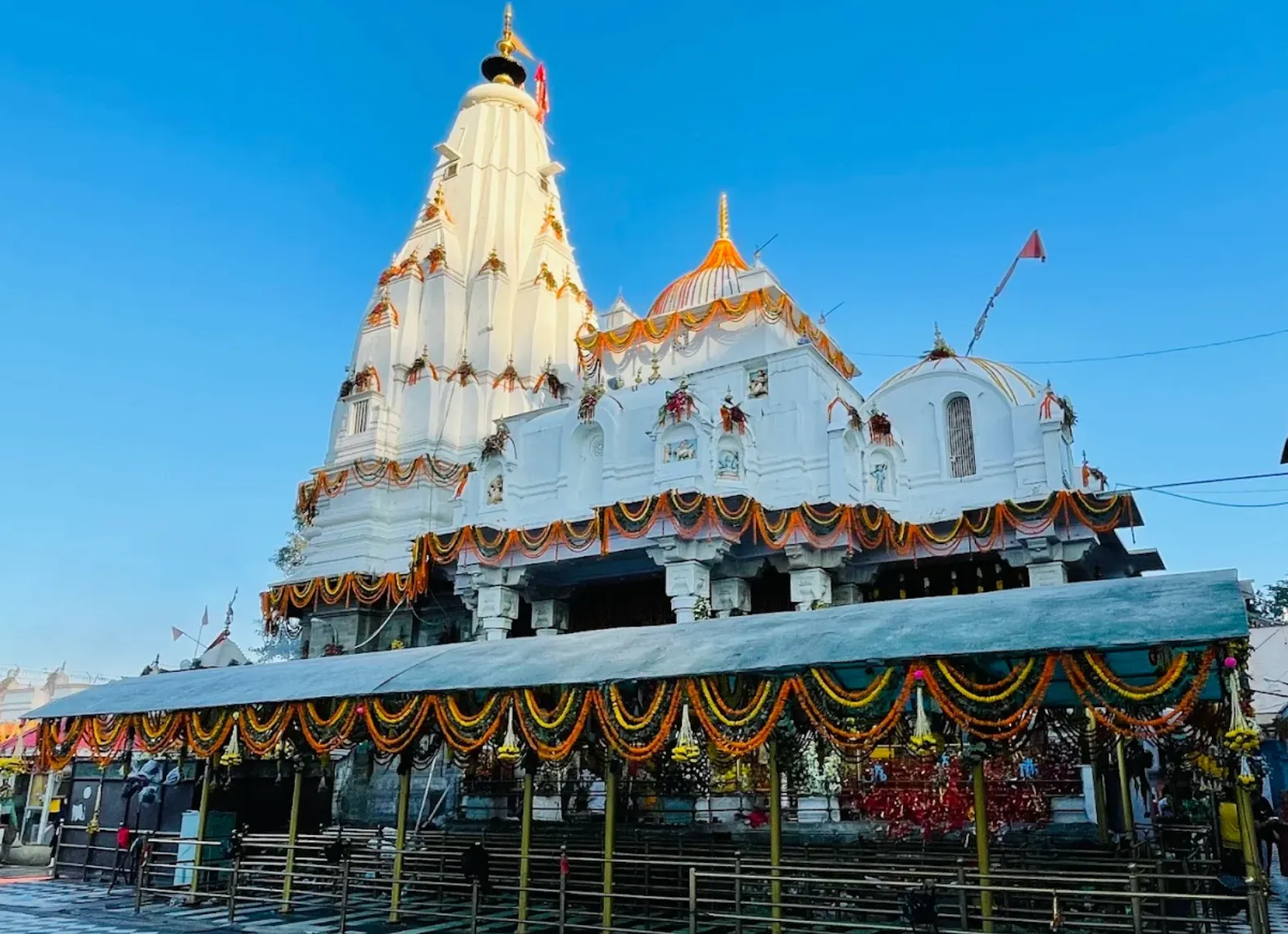
01
Shakti Peetha · Kangra
Bajreshwari Devi, Kangra
Kangra Town, Himachal Pradesh · ~35 km from Palampur
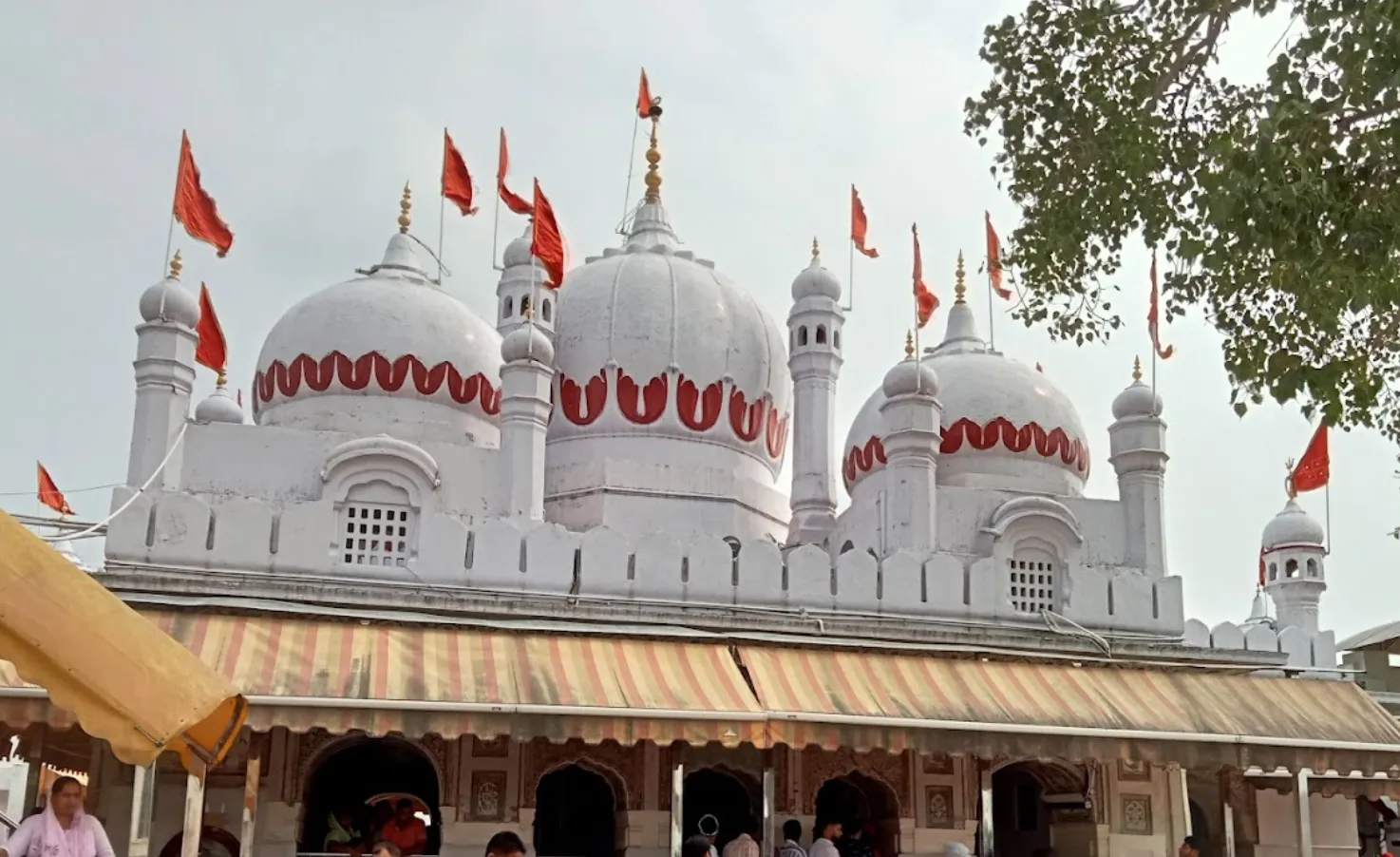
Goddess Vajreshwari — “Lady of the Thunderbolt” — destroyed the demon Kalikala here. The goddess is worshipped as a Pindi, a sacred natural stone form. The current temple structure was rebuilt after the 1905 Kangra earthquake and carries three distinct architectural domes representing Hindu, Sikh, and Islamic styles — a visual record of the temple’s cross-faith patronage through centuries.
A rare ritual occurs at Makar Sankranti: the Pindi is covered with freshly prepared butter for a full week. This commemorates Goddess Durga resting and healing her battle wounds. The temple’s Bhog Aarti closes the sanctum from 12:00 PM to 12:30 PM daily.
Sati’s Body Part
Left Breast
Goddess Form
Vajreshwari / Bajreshwari
Open Hours
5:00 AM – 9:00 PM
Bhog Closure
12:00–12:30 PM
Planning Tip: Visit before 10:00 AM on Day 2 from Jwalamukhi (25 km). The market lane to the sanctum is completely quiet before 9:00 AM — the most peaceful darshan on the entire circuit.
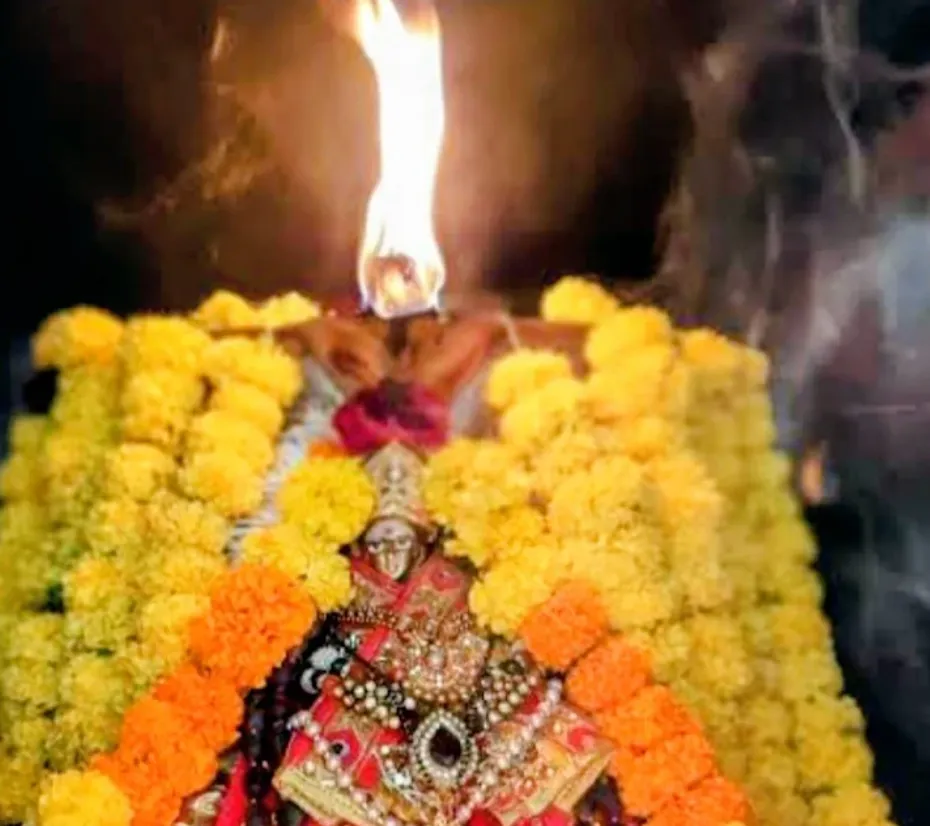
02
Shakti Peetha · Jwalamukhi
Jwala Ji, Jwalamukhi
Jwalamukhi, Kangra District · ~70 km from Palampur
Goddess Jwalamukhi is the goddess of the eternal flame. She is not worshipped through any idol or image — nine natural flames rising continuously from cracks in the rock floor represent nine forms of the goddess. The flame itself is the goddess. This is among the most scientifically documented sacred fire phenomena in India, with continuous burning attributed to natural hydrocarbon gas seeps.
Inside the complex is Gorakh Dibbi — a quieter cave where Guru Gorakh Nath is said to have meditated. The temple displays an Akbar-era chhatra (canopy) that the Mughal emperor offered but the flames reportedly refused to extinguish, and a golden dome donated by Maharaja Ranjit Singh. Photography is strictly prohibited inside the sanctum.
Sati’s Body Part
Tongue
Goddess Form
Jwalamukhi (Flame-Faced)
Open Hours
5:00 AM – 10:00 PM
Bhog Closure
11:30 AM–12:30 PM
Network Note: BSNL connections are more reliable than Jio near Jwala Ji. Download offline navigation before departure. The Shayan Aarti in the evening (after 5:00 PM) in a nearly empty sanctum is one of the most profound experiences on the circuit.
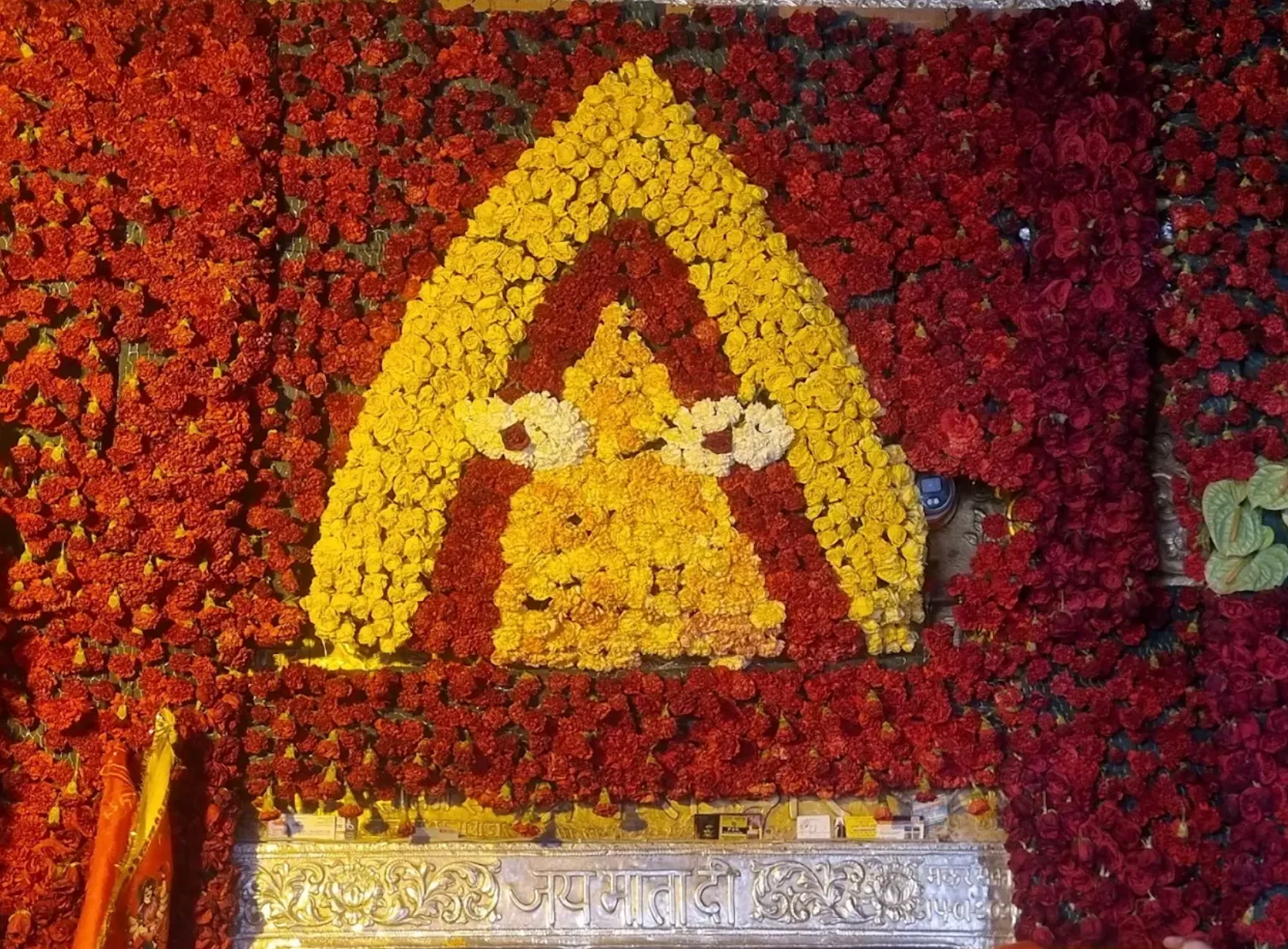
03
Shakti Peetha · Una
Chintpurni Devi, Una District
Una District, Himachal Pradesh · ~95 km from Palampur
Dedicated to Chhinnamastika Devi — “the headless one.” The name Chintpurni means “one who removes all worries.” Worshipped in Pindi form, this temple receives the highest annual devotee count of any Devi temple in Himachal Pradesh. It is the single most queue-intensive stop on the entire 4 Devi circuit.
Before each Navratri, the temple performs a pre-dawn ritual called Maha Snan. The head priest performing this ritual belongs to an unbroken family lineage descending directly from Pandit Mai Das — now over 12 generations. The mandatory Darshan Parchi is issued free at the security counter; entry without it is denied.
Sati’s Body Part
Feet (Charan)
Goddess Form
Chhinnamastika / Chintpurni
Open Hours
4:00 AM – 10:00 PM
Polythene Bags
Legally Banned
Queue Strategy: Arrive before 9:00 AM for a 20–45 minute wait. Arrive after 10:30 AM on weekends for a 2–3 hour wait. Wednesday and Thursday mornings consistently have lighter queues than Friday to Sunday. Use the special darshan pass if the general queue exceeds 45 minutes.
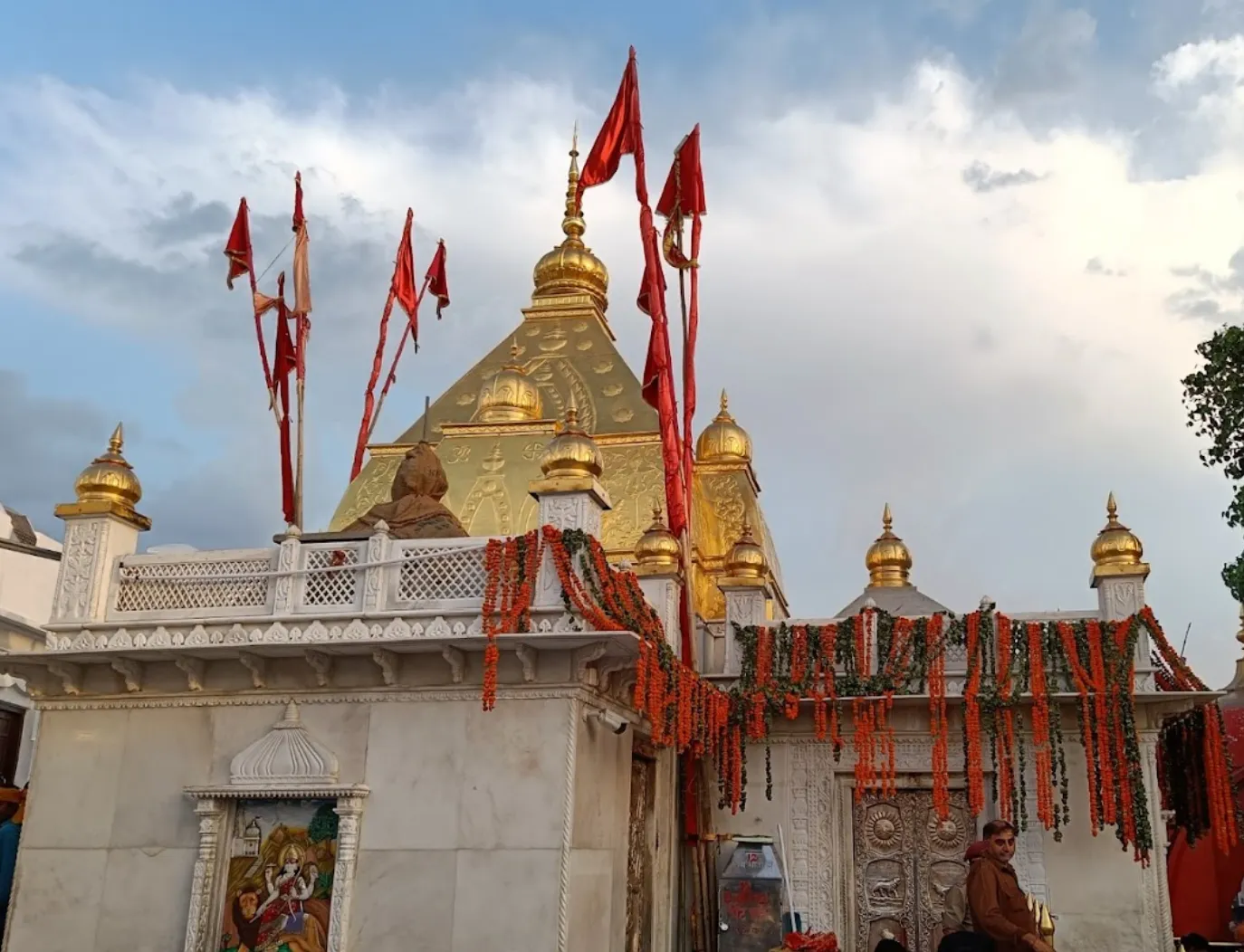
04
Shakti Peetha · Bilaspur
Naina Devi, Bilaspur District
Bilaspur District, Himachal Pradesh · ~170 km from Palampur
Naina Devi — the goddess of sight — is a manifestation of Goddess Parvati and also carries a second identity as Mahishapeeth, the site where she slew the demon Mahishasura. The inner sanctum uniquely holds three idols side by side: Kali Devi, two golden eyes of Sati, and Lord Ganesha — a rare Tridevi-Ganesha composition found nowhere else on the circuit.
The temple is built on a hilltop directly above Gobind Sagar Lake (Bhakra Dam reservoir). The 7-minute cable car from the base station makes it highly accessible for senior pilgrims. The hilltop terrace offers panoramic views of the lake below — the final visual memory of the circuit before return.
Sati’s Body Part
Eyes (Nayan)
Goddess Form
Naina Devi / Mahishapeeth
Open Hours
4:00 AM – 10:00 PM
Cable Car
From 7:00 AM daily
From Chandigarh: Naina Devi is just 104 km via Ropar and Anandpur Sahib — the closest Shakti Peetha to Chandigarh. Depart Chandigarh by 5:00 AM to reach the cable car before queues build after 8:30 AM.
From Palampur
Enquire Now
Enquire Now
Enquire Now
Optimized 2-Day Itinerary — The Reasoning Behind Every Decision
Most guides give you a list of temples. This section gives you the reasoning behind each decision in the sequence, so you understand why the plan works and can adapt it if your situation is different.
Why the Chintpurni-First Sequence Matters
The most important planning decision for this circuit is your Chintpurni arrival time. Queues begin building from 9:00 AM on regular days. On weekends, the 10:00 AM onward wait can stretch 2–3 hours. Arriving before 9:00 AM cuts that to 20–45 minutes. A 6:00 AM departure from Palampur delivers you at Chintpurni by 8:30 AM. That single decision shapes all of Day 1.
Day 1 — Palampur to Jwalamukhi via Chintpurni & Jwala Ji
6:00 AM
Depart Palampur
Drive ~95 km southeast toward Una. Road is well-paved and traffic-free at this hour. The 2.5-hour drive reaches Chintpurni by 8:30 AM — before the queue builds.
8:30 AM – 10:00 AM
Chintpurni Devi Darshan
Collect the free Darshan Parchi at the security counter — entry is denied without it. Complete morning darshan before the 10:00 AM queue surge. Depart by 10:00 AM maximum.
Do not buy Prasad from roadside vendors. Use only official temple trust counters. Polythene bags are legally banned on temple premises.
11:30 AM – 1:30 PM
Jwala Ji Darshan, Jwalamukhi
Drive ~35 km from Chintpurni via Bharwain/Dehra (approx. 1 hour 15 min). Arrive after 12:30 PM — the Bhog Aarti closure ends at 12:30 PM so the sanctum is fully open. Do not arrive between 11:30 AM and 12:30 PM.
Evening
Overnight in Jwalamukhi Town
Check into your pre-booked hotel. The Shayan Aarti in the evening is worth attending — crowd levels drop sharply after 5:00 PM. The experience of the flames in a nearly empty sanctum after the day crowds leave is the most intimate moment on the circuit.
Day 2 — Jwalamukhi to Palampur via Bajreshwari Devi & Naina Devi
7:00 AM – 9:00 AM
Bajreshwari Devi, Kangra
Depart Jwalamukhi at 7:00 AM for the ~35 km drive (40 min). Morning darshan at 7:45 AM before the market lane fills. The Bhog Aarti closes 12:00–12:30 PM — you are long gone before it. Depart Kangra by 9:30 AM.
12:30 PM – 2:00 PM
Naina Devi, Bilaspur
Drive ~150 km from Kangra via Hamirpur (approx. 3.5 hours). Take the cable car to the hilltop. Complete darshan. Panoramic view of Gobind Sagar Lake from the terrace — the most visually memorable stop on the circuit.
~6:30 PM
Arrive Palampur
Depart Naina Devi and drive ~170 km back to Palampur, completing the full regional loop of approximately 485 km.
Upgrade Your Yatra
Extended Devi Darshan Packages
If you have additional days, extend your pilgrimage across more Peethas. Every package includes a circuit-experienced Palampur driver, all tolls, and transparent single-quote pricing.
5
5 Devi Darshan
3 Days · 1 Night Stay
All 4 Shakti Peethas plus Chamunda Devi near the Dhauladhar ranges. A natural Day 2 addition between Kangra and Dharamshala.
Bajreshwari Devi, Kangra
Jwala Ji, Jwalamukhi
Chintpurni, Una
Naina Devi, Bilaspur
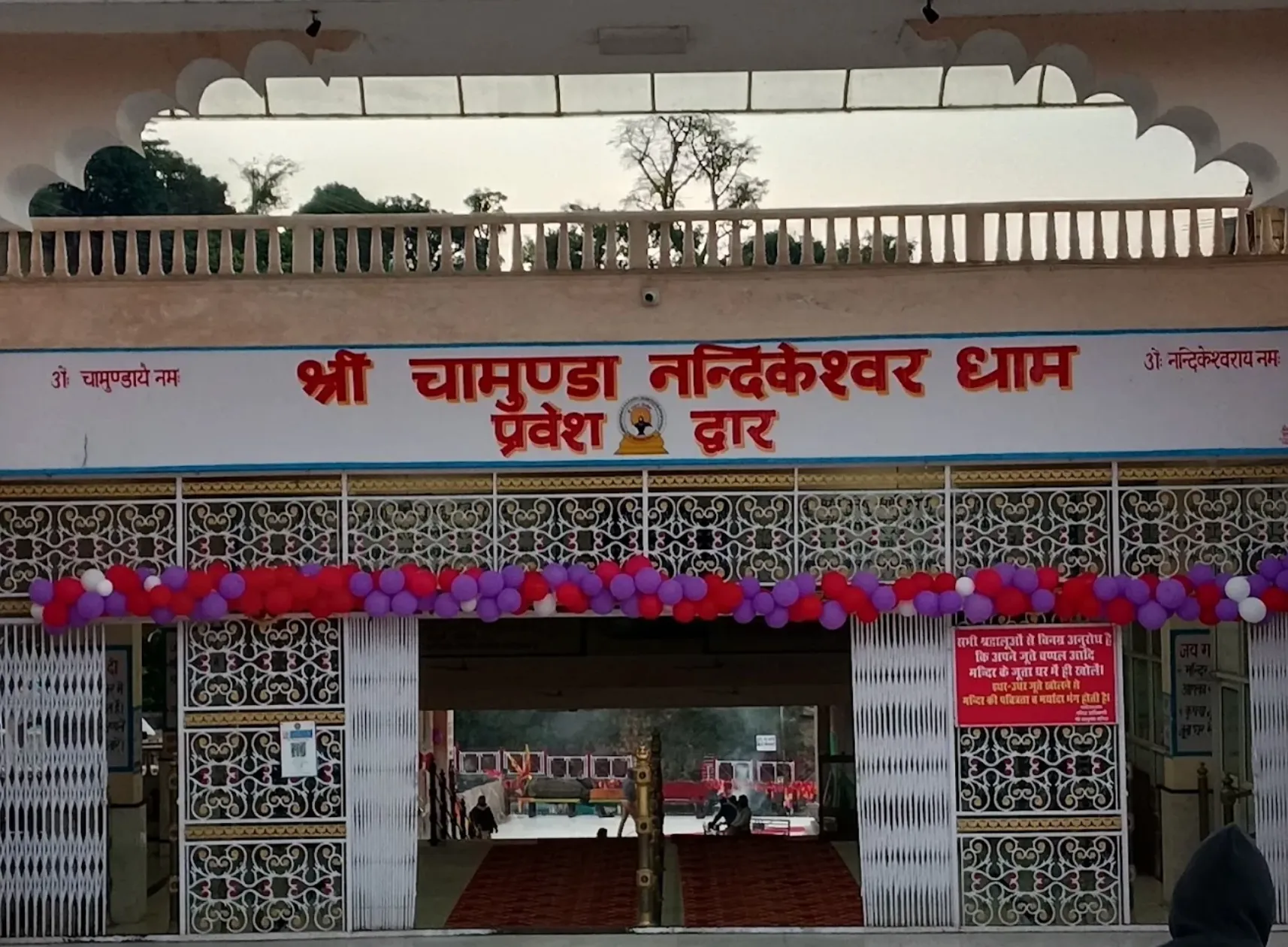
+ Chamunda Devi, Dharamshala
7
7 Devi Darshan
4 Days · 2 Night Stays
The full Kangra Valley + Shivalik Devi circuit. Seven temples across Himachal Pradesh and Haryana in one unbroken pilgrimage.
Bajreshwari Devi + Chamunda Devi
Jwala Ji + Chintpurni
Naina Devi, Bilaspur
+ Mansa Devi, Panchkula
+ Chandi Mata, Shivalik
9
9 Devi Darshan
6 Days · 4–5 Night Stays
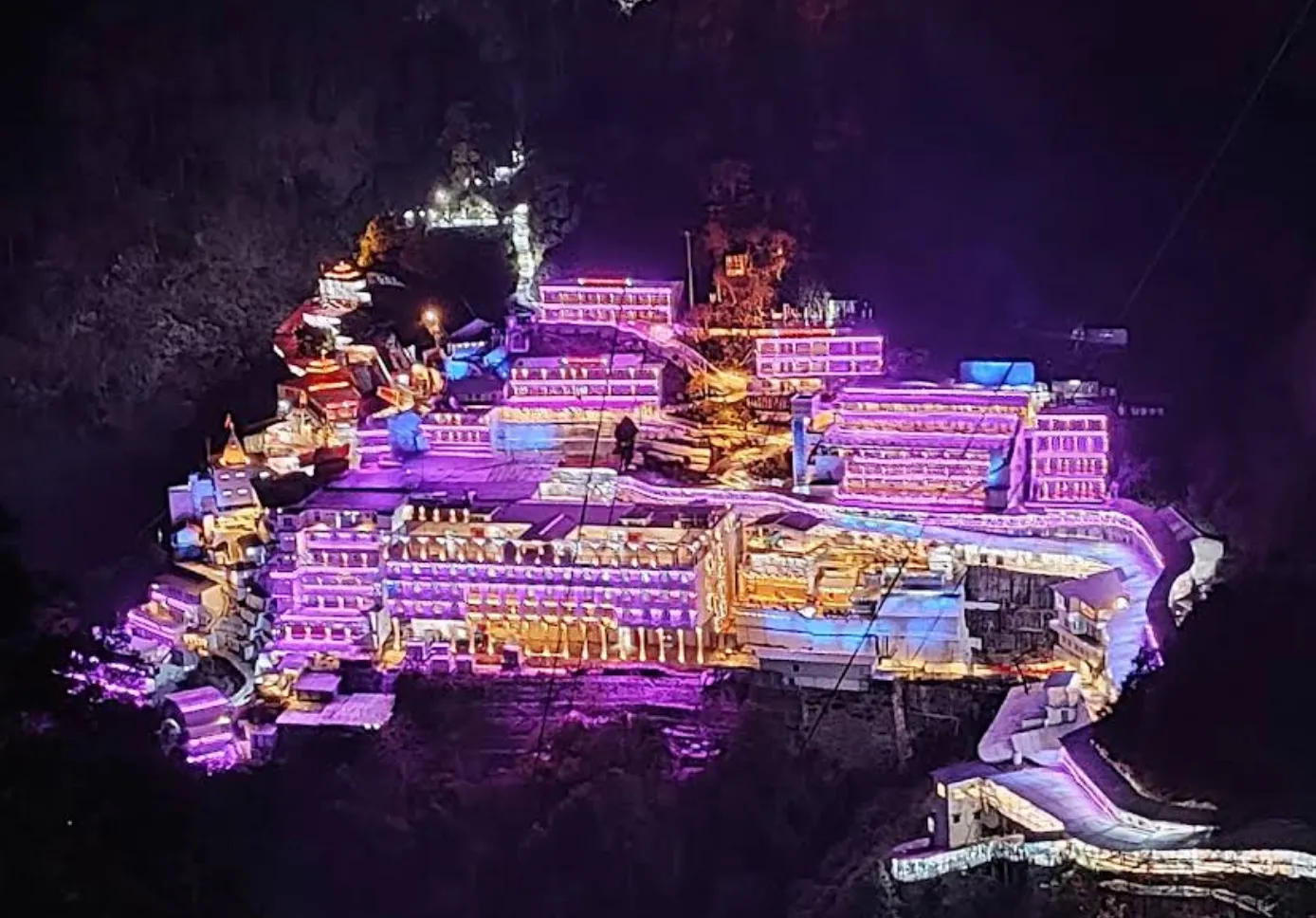
The ultimate Shakti Peetha yatra across Punjab, Himachal Pradesh, and Jammu. Begins with Vaishno Devi in Katra.
Mata Vaishno Devi, Katra
Complete 7 Devi Circuit
+ Shakumbhari Devi
+ Local Peethas
Pathankot as Transit Hub
Taxi Package from Palampur
4 Devi Darshan Tour Package — What’s Included
No hidden charges. One fare stated at booking covers everything in the included column. Call or WhatsApp 98053 12304 with your travel date, group size, and starting point for a confirmed quote within 2 hours.
| ✓ Included in Package | ✗ Not Included |
|---|---|
| ✓ Private taxi for the full ~485 km circuit | ✗ Hotel accommodation |
| ✓ Driver with 4 Devi Darshan circuit experience | ✗ Prasad, offerings, temple donations |
| ✓ All parking, state tolls, and driver allowances | ✗ Special darshan pass fees |
| ✓ Pickup from Palampur, Dharamshala, Kangra, Gaggal, or Pathankot | ✗ Meals during the circuit |
| ✓ Drop to Palampur or one-way to Chandigarh/Pathankot | ✗ Travel insurance |
Call or WhatsApp 98053 12304 with your travel date, group size, and pickup point. We confirm vehicle, driver details, and fare within 2 hours.
Vehicle Options by Group Size
Swift Dzire
4 Seats
Couples & solo
Ertiga
6 Seats
Standard family
Innova Crysta
7 Seats
Heavy luggage & seniors
Tempo Traveller
Up to 12
Large group yatra
Our Team
Driver of the Month — May 2026
Every driver on our team is circuit-experienced. But once a month, we spotlight the driver who received the most pilgrim feedback for knowledge, punctuality, and care on the 4 Devi route.
⭐ Driver of the Month
Rohit Kumar
Senior Palampur Circuit Driver
Why Rohit Kumar?
Rohit Kumar has completed the full 4 Devi Darshan circuit over 340 times across 6 years. He knows the dedicated taxi parking lane at Jwala Ji (avoiding the 30-minute market lane walk), the quietest Chintpurni queue windows, and the satvik food stops pilgrims actually trust on the Chintpurni–Jwala Ji road.
340+Circuits Completed
6 YrsCircuit Experience
4.9★Average Rating
What Rohit Knows That an App Doesn’t
Jwala Ji Parking: The dedicated taxi entry is the left fork before the market road. The main market adds a 25–30 minute walk. Rohit takes the right lane every time.
Bajreshwari Bhog Timing: He builds the morning schedule to clear Kangra by 11:00 AM — well before the 12:00 PM Bhog closure that catches unfamiliar drivers.
Chintpurni Queue Days: Wednesday and Thursday mornings have the lightest queues. He advises groups with flexible dates to shift mid-week.
Food on the Circuit: Knows which satvik dhabas on the Una–Amb Andaura stretch serve freshly cooked food versus reheated. A meaningful difference on a 2-day yatra.
Your Starting Point
Starting Your 4 Devi Darshan from a Different City?
Palampur gives you the most efficient base for the Kangra Valley end of this circuit. But many pilgrims begin from Chandigarh, Delhi, Ludhiana, Amritsar, Pathankot, or Amb Andaura. Each starting city changes the sequence, the overnight stop, and the total driving distance.
Naina Devi 104 km
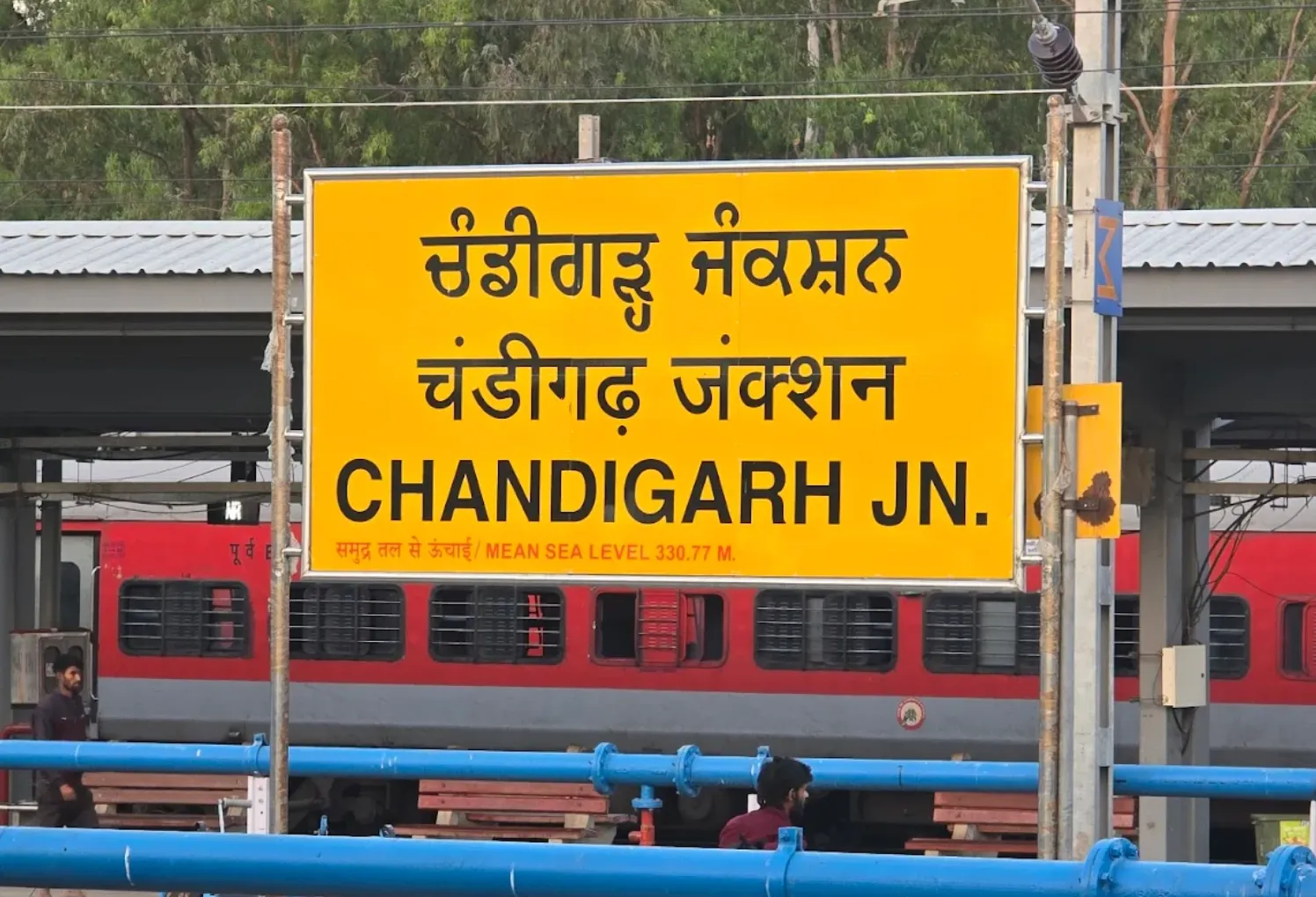
Chandigarh
Nearest Temple: Naina Devi
Start at Naina Devi (104 km). Move northwest through Chintpurni and Jwala Ji. End at Bajreshwari Devi. The most common pilgrim entry point from Delhi–Punjab rail corridor.
View Full Guide →Bajreshwari Devi 85 km
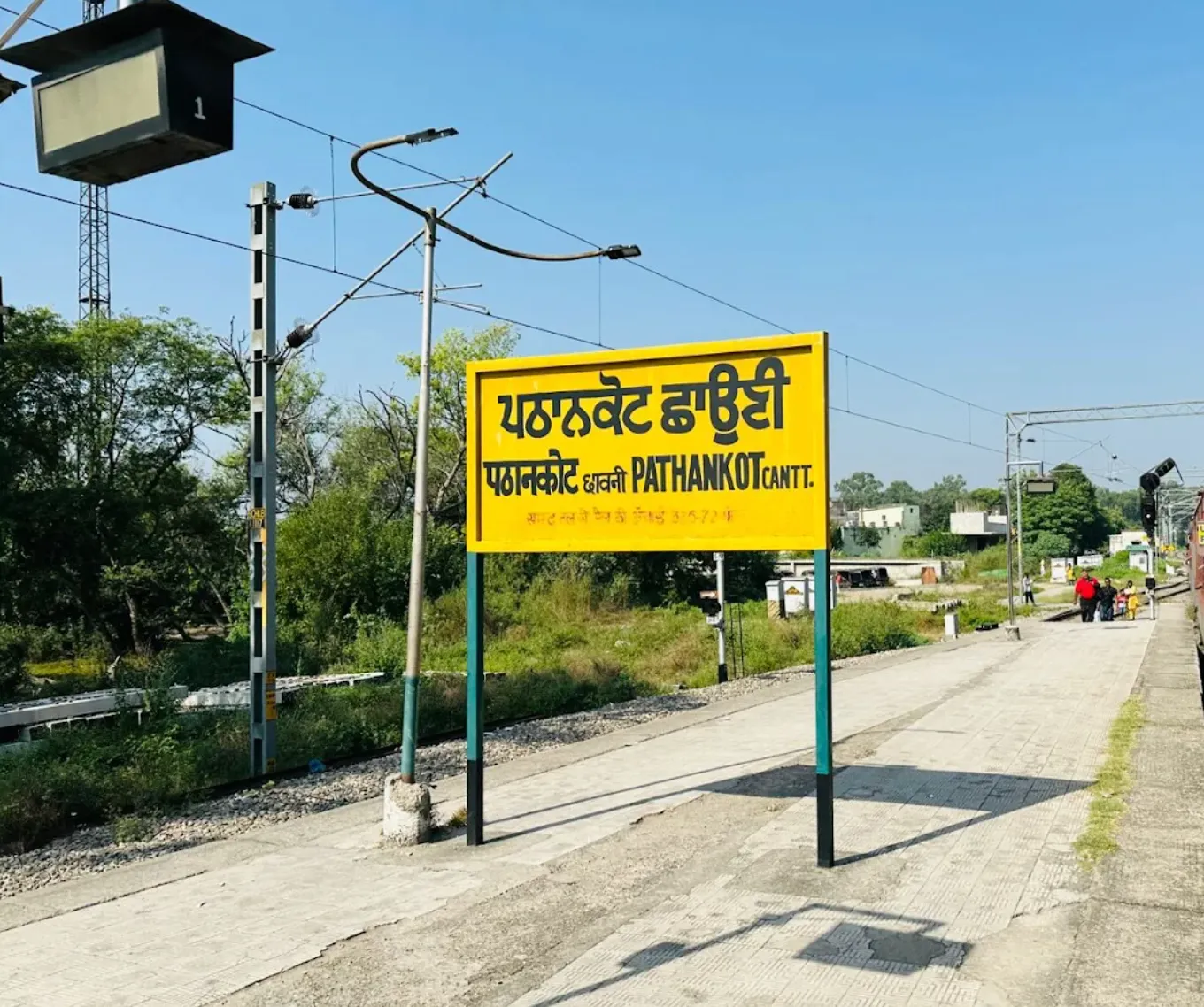
Pathankot
Nearest Temple: Bajreshwari Devi
Start at Bajreshwari Devi (85 km). Move southeast through Jwala Ji, Chintpurni, Naina Devi. Natural gateway for Jammu–Pathankot pilgrims combining with Vaishno Devi.
View Full Guide →Chintpurni 125 km
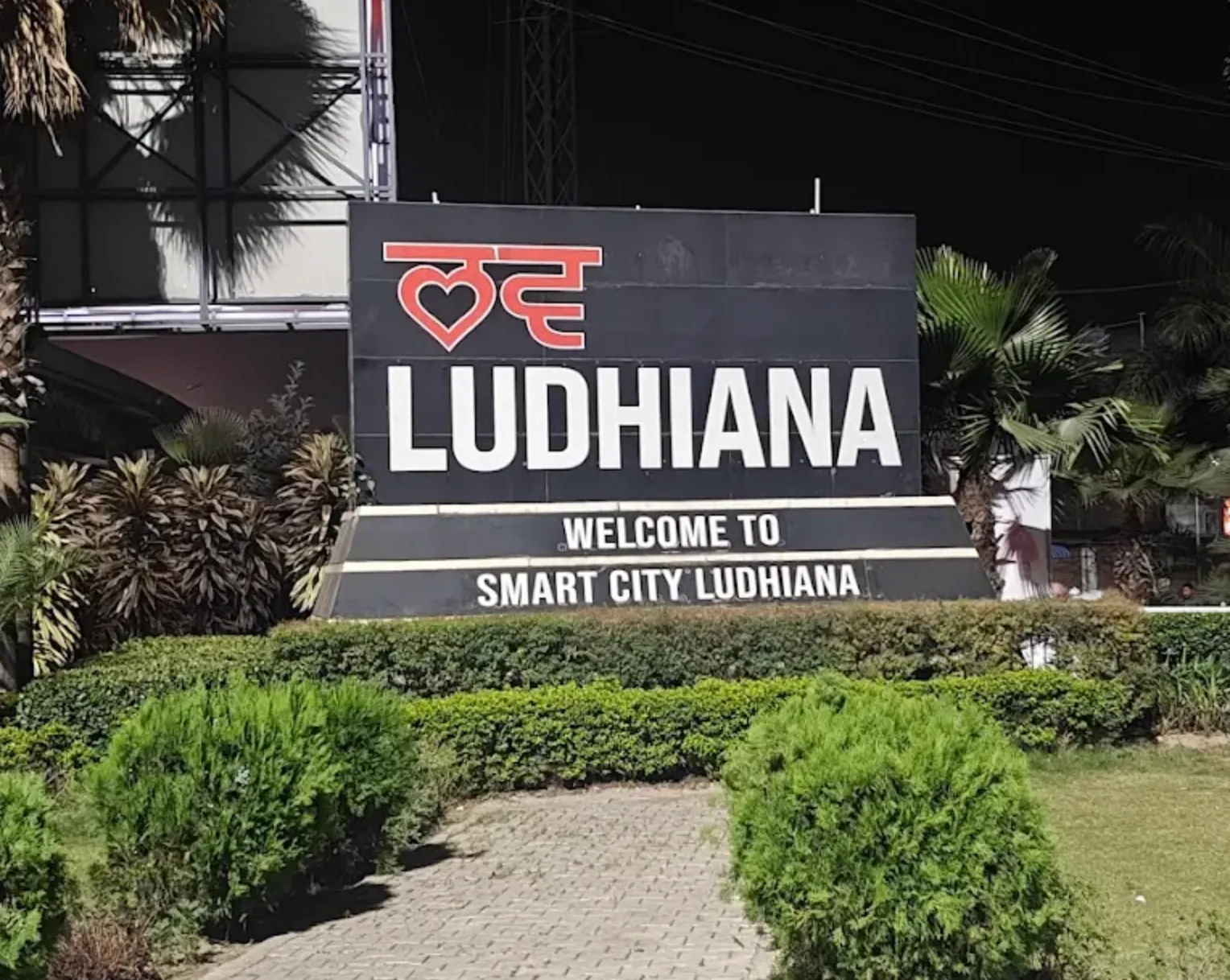
Ludhiana
Nearest Temple: Chintpurni (125 km)
Two entry route options — via Hoshiarpur for queue management, or via Chandigarh for road comfort. Classic Friday evening to Sunday afternoon weekend circuit.
View Full Guide →Via Pathankot 185 km
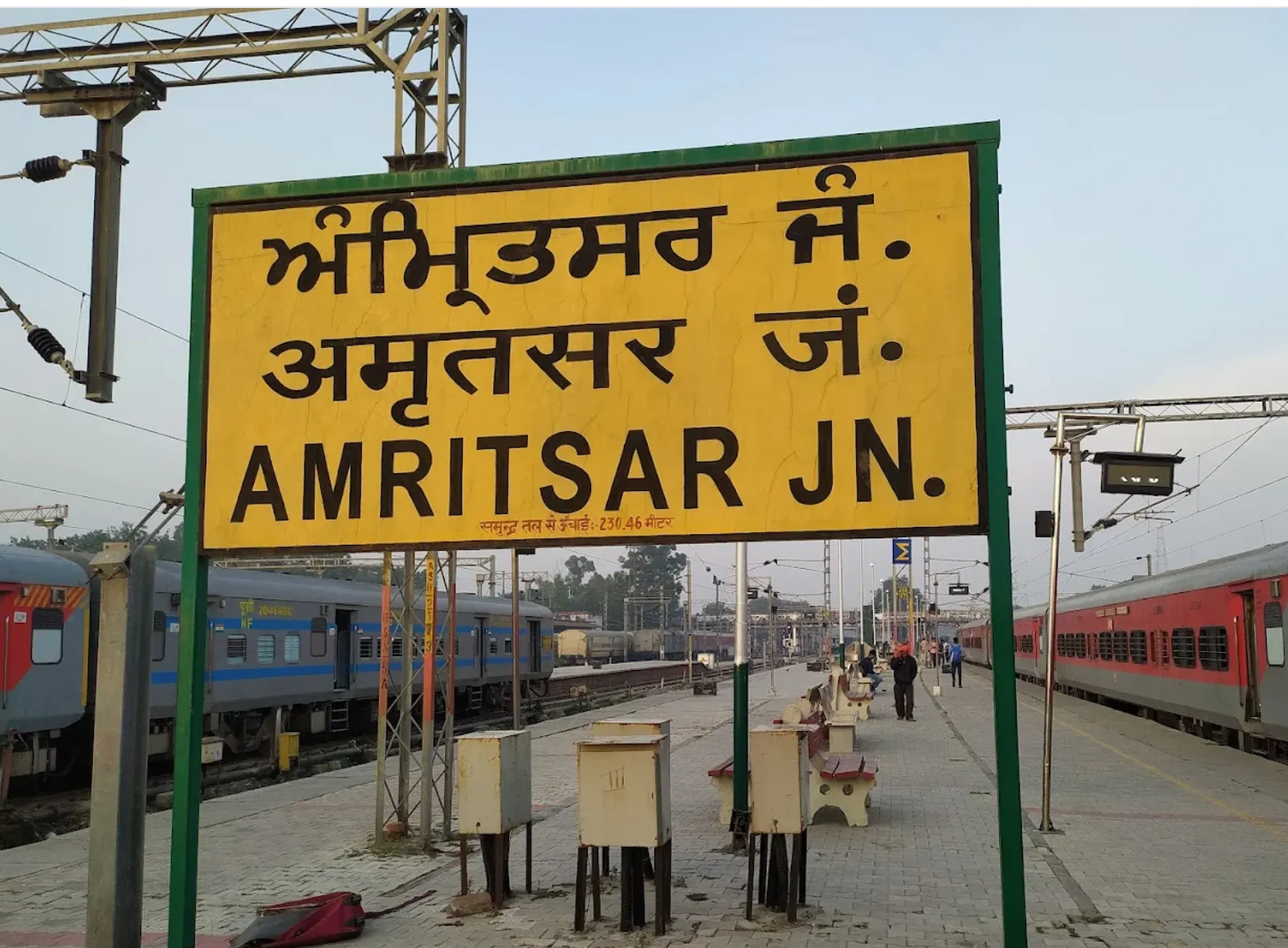
Amritsar
Golden Temple + 4 Devi Combination
Unique: attend Golden Temple Amrit Vela at 4:00 AM and reach Bajreshwari Devi by 10:45 AM the same day. The only city where this dual-shrine combination is possible.
View Full Guide →Chintpurni 21 km
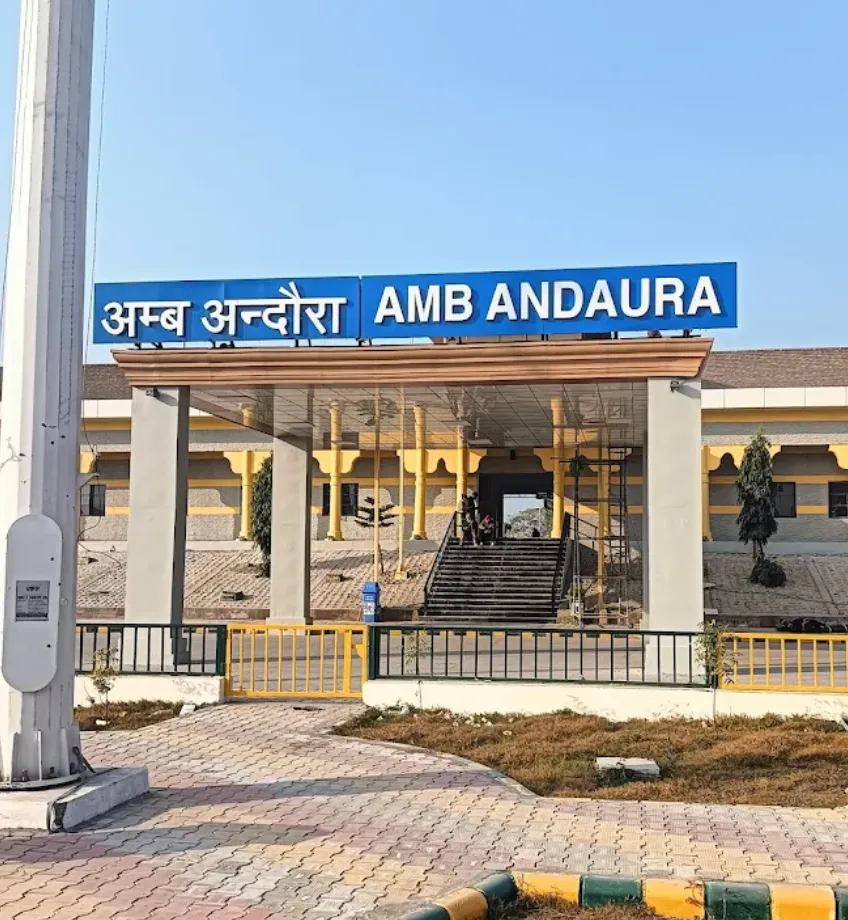
Amb Andaura
Nearest Rail Station to Chintpurni
Board Vande Bharat from Delhi at 5:50 AM. Arrive Amb Andaura at 11:05 AM. Reach Chintpurni (21 km) by 11:45 AM. Complete two Peethas — Chintpurni and Jwala Ji — on Day 1 afternoon.
View Full Guide →~450 km to Circuit
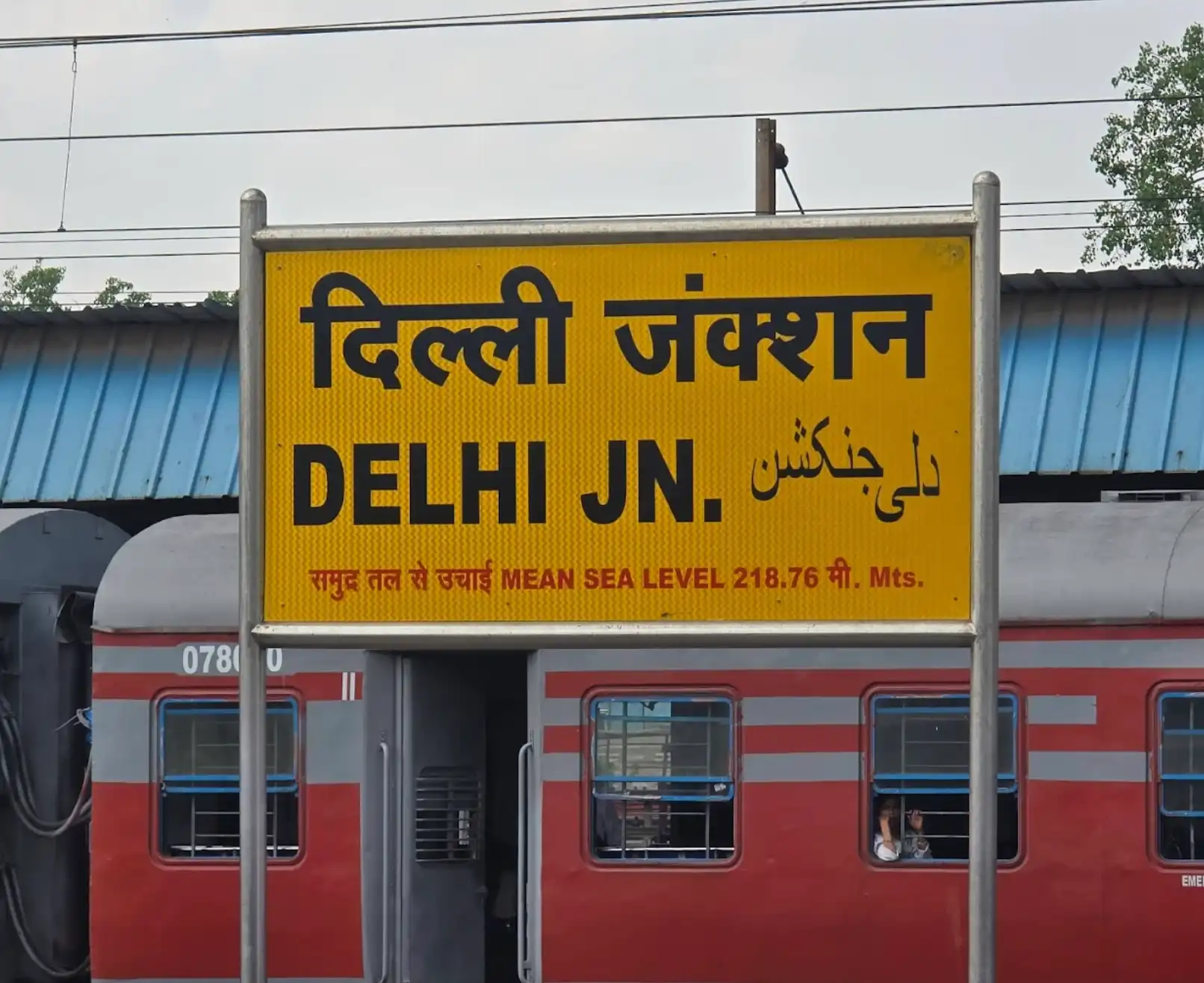
Delhi
Via Amb Andaura or Chandigarh
Train via Amb Andaura (Vande Bharat) or road via Chandigarh. Delhi to Chintpurni is approximately 370 km by road — plan a minimum 3-day circuit to avoid exhaustion.
View Full Guide →
When to Travel
Best Time for 4 Devi Darshan — Season-by-Season Guide
The circuit is open year-round but season choice significantly affects queue times, road conditions, and darshan quality.
October – March ⭐ Best
Post-monsoon through winter. Roads clear, temperatures pleasant (8–22°C in Kangra). October–November offers exceptional visibility at Naina Devi over the lake. Lowest queue times outside Navratri dates.
Chaitra Navratri (March–April)
First major peak. All four temples see 3–5× normal footfall. Depart 30 minutes earlier on all days. Plan three days minimum. Pre-book hotel and taxi at least two weeks in advance.
April – June (Pre-Monsoon)
Comfortable temperatures. Manageable queues except weekends. Good middle-ground for families and first-time pilgrims avoiding both peak Navratri crowds and monsoon road delays.
July – September (Monsoon)
Roads passable but drive times increase 15–20%. Kangra Valley turns dramatically green. Avoid the week after heavy rainfall — Naina Devi and Chintpurni approach roads can see temporary blockages. Carry rain gear.
Common Questions
4 Devi Darshan — Frequently Asked Questions
Entity-driven answers to the most common planning questions about the Himachal Shakti Peetha circuit.
What is 4 Devi Darshan in Himachal Pradesh?
4 Devi Darshan is the pilgrimage of visiting all four official Shakti Peethas in Himachal Pradesh — Bajreshwari Devi (Kangra), Jwala Ji (Jwalamukhi), Chintpurni (Una), and Naina Devi (Bilaspur) — in a single continuous yatra. Every temple in this circuit holds verifiable Shakti Peetha status from the 51 canonical Peethas described in the Devi Bhagavata Purana. This distinguishes the 4 Devi from longer circuits that add non-Peetha temples.
How many days does 4 Devi Darshan take?
Two days minimum with one overnight stay in Jwalamukhi. Day 1 covers Chintpurni and Jwala Ji. Day 2 covers Bajreshwari Devi and Naina Devi with return to Palampur or Chandigarh. During Navratri, plan three days to account for extended queue times at all four temples. Attempting all four temples in a single day is not feasible — the circuit covers ~485 km with multiple multi-hour temple visits.
Which temple should I visit first in 4 Devi Darshan from Palampur?
Chintpurni first. A 6:00 AM departure from Palampur reaches Chintpurni by 8:30 AM — before the queue surge that begins around 9:00–10:00 AM. From Chintpurni, drive 35 km to Jwala Ji. On Day 2, visit Bajreshwari Devi from Jwalamukhi (35 km, morning) then Naina Devi (150 km, afternoon). This sequence minimizes backtracking and aligns with temple closure windows.
What is the difference between 4 Devi, 5 Devi, 7 Devi, and 9 Devi Darshan?
The 4 Devi circuit covers only the four classical Shakti Peethas — scripturally complete and the shortest route. The 5 Devi adds Chamunda Devi near Dharamshala (3 days). The 7 Devi adds Mansa Devi (Panchkula) and Chandi Mata in the Shivalik foothills (4 days). The 9 Devi adds Vaishno Devi in Katra and Shakumbhari Devi (6 days). Extended circuits add spiritually revered temples but most are not part of the classical 51 Peethas list.
What a Palampur driver knows that an app doesn’t?
Several critical local details: (1) The dedicated taxi entry lane at Jwala Ji is the left fork before the market road — using the main market adds a 25–30 minute walk through congested lanes. (2) The Bajreshwari Bhog closure at 12:00 PM catches unfamiliar drivers — local drivers build the schedule to clear Kangra by 11:00 AM. (3) Wednesday and Thursday mornings have the lightest Chintpurni queues versus Friday–Sunday. (4) Specific satvik food stops on the Una–Amb Andaura stretch that serve freshly cooked meals are known to experienced drivers only.
Is the 4 Devi circuit crowded during Navratri?
Severely. All four Peethas are among the highest-footfall temples in Himachal Pradesh. During Navratri (Chaitra in March–April and Sharad in September–October), expect 3–5× normal visitor volumes at each temple. Queue times at Chintpurni can exceed 4 hours; at Naina Devi the cable car wait can extend to 90 minutes. Plan three days minimum during Navratri, depart 30 minutes earlier on all days, and pre-book accommodation at least two weeks in advance.
How can I customise the 4 Devi circuit from Palampur?
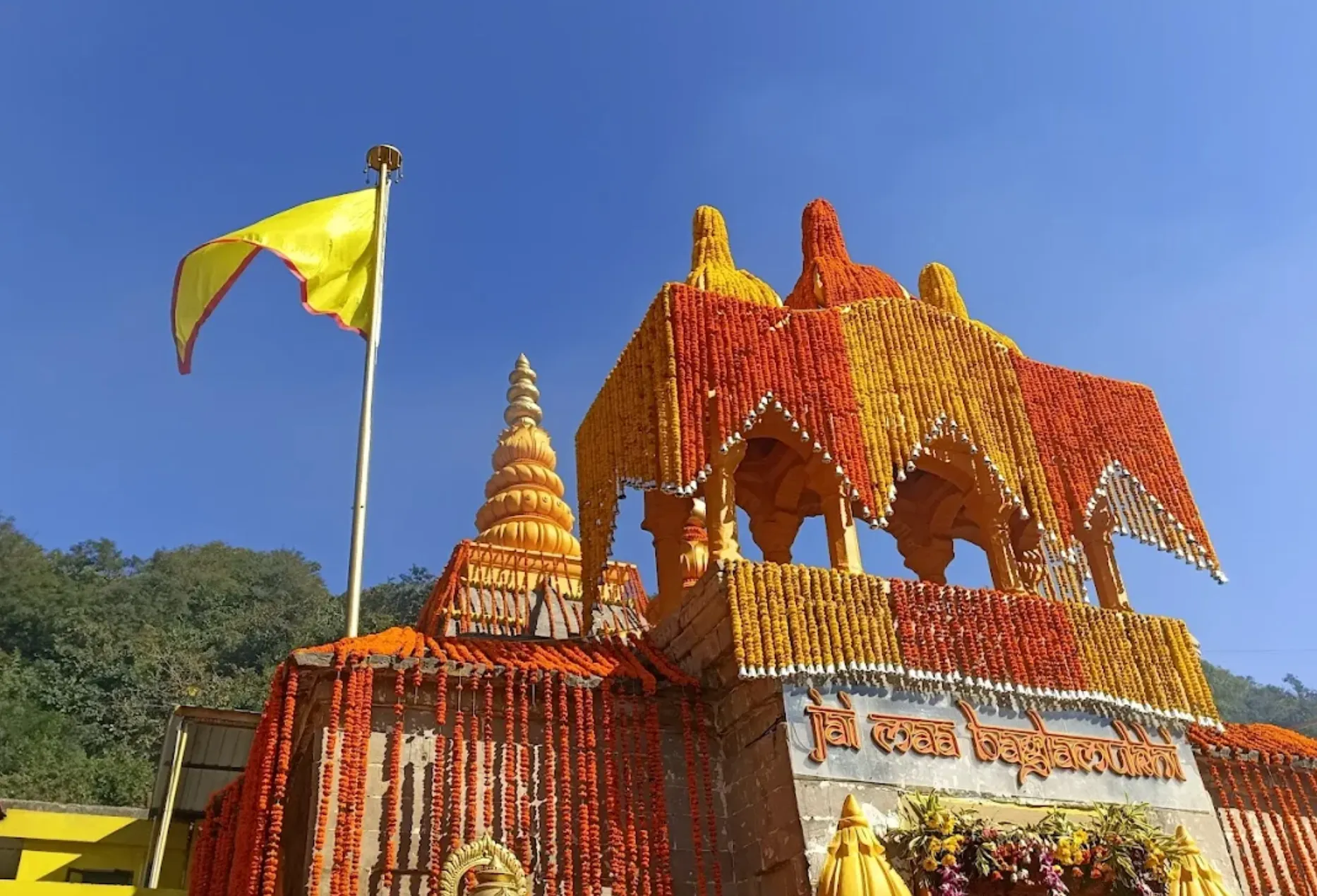
Three common customisations: (1) Extend to 5 Devi — Add Chamunda Devi (19 km from Palampur) as the first stop on Day 1. Depart at 5:30 AM instead of 6:00 AM. (2) Add Baglamukhi — Baglamukhi Devi is 45–60 km from Palampur, easily added on the Day 2 return from Naina Devi. (3) One-Way Circuit — Start in Palampur, complete all four Peethas, and take a forward drop to Chandigarh or Pathankot after Naina Devi on Day 2.
What should I carry for 4 Devi Darshan?
Essential items: (1) Physical cash — all four temples require cash for parking, Prasad, and shoe counters; ATM availability near Chintpurni and Jwala Ji is unreliable. (2) Cloth bag — polythene bags are legally banned near Chintpurni temple. (3) Modest traditional dress — shorts and sleeveless clothing are not permitted inside any sanctum. (4) Offline navigation — BSNL works more reliably than Jio near Jwala Ji. (5) Confirmation of Jwalamukhi hotel booking — rooms fill fast during weekends and Navratri.
Explore All Temples
Sacred Mandir Grid — All Devi Darshan Temples
Explore individual temple guides for every Devi shrine in the Himachal and Punjab circuit. Each guide covers temple-specific history, significance, darshan timings, queue tips, and route details.